Disclosure: This post may contain affiliate links. If you click and buy, we may earn a commission at no extra cost to you. As an Amazon Associate, we earn from qualifying purchases.
A bride in the shop slid her phone across the counter and said, “I don’t want any of this.” She meant the typical blush-and-white arrangements she’d been seeing everywhere. No perfectly round bouquets. No baby’s breath clouds. No centerpieces that look like they came out of the same template.
I told her she was right on time.
Because that’s exactly where wedding florals are heading in 2026. Couples today are done with arrangements that could belong to anyone. They want flowers that tell their story. And honestly, as a florist, that makes my job a lot more interesting.
Here’s what I’m seeing, both in my own consultations and from booking data across the industry.
What’s In and What’s Out in 2026
Before we dig in, here’s the quick cheat sheet:
| Trending Up | Trending Out |
|---|---|
| Sculptural, asymmetric bouquets | Perfectly round, uniform arrangements |
| Monofloral and monochromatic designs | Overstuffed mixed bouquets |
| Amaranthus (383% spike in florist requests) | Baby’s breath as a primary flower |
| Exposed long stems | Heavy ribbon-wrapped stem bundles |
| Sunken meadow centerpieces | Traditional elevated vase centerpieces |
| Warm earth tones + Mocha Mousse | Cool blush and dusty rose |
| Repurposable ceremony-to-reception florals | Single-use installations |
| High-end faux for large architectural elements | Faux flowers as a budget afterthought |
Meet the Breakout Flower of 2026: Amaranthus
I’ll be honest — I didn’t see this one coming quite so fast.
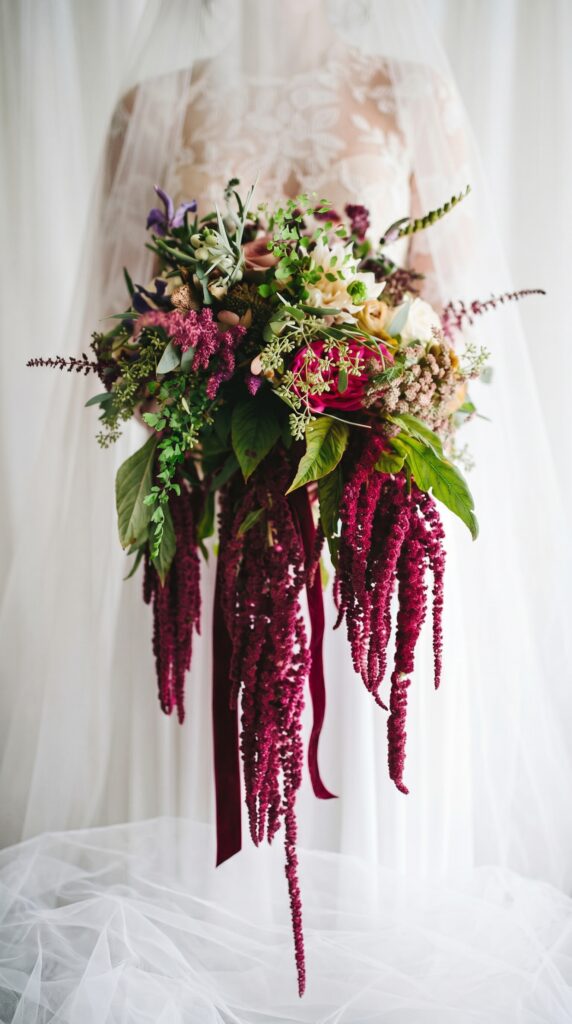
Amaranthus has exploded. We’re talking a 383% year-over-year increase in florist requests, and once you spend five minutes working with it, you understand why. The stuff is magic. It drapes. It trails. It moves. Stiff-stemmed flowers can’t do what amaranthus does. It makes a bouquet look like it was gathered five minutes ago in somebody’s garden, not assembled in a shop.
It comes in a few forms worth knowing – deep burgundy for moody, jewel-toned arrangements. Bronze and rust for the earthy, luxe look. Green hanging varieties if you want something fresh and architectural. Each one reads completely differently.
Here’s my one word of warning, though: fresh hanging amaranthus is heavy and drinks water like it’s going out of style. In warm weather, it can go limp on you. That’s why I’d consider it a prime candidate for the fresh-vs-faux hybrid approach I’ll cover in a bit.
Where to find it: BloomsbytheBox and GlobalRose carry it in multiple colors for DIY bulk orders.
Products Worth Considering

【Premium Amaranthus Selection】5 exquisite Amaranthus caudatus stems, professionally preserved and presented at 23-27" length, showcasing the natural cascading beauty of this Love-Lies-Bleeding variety

PACKAGE SPECIFICATION: Each set includes 5 pcs natural hanging amaranthus flowers, each stem measures 45 inches/115 cm with elegant cascading wisteria-like shape, compact quantity for small floral arrangements, easy to match other dried botanicals for layered decor
Brown Is Having Its Moment — and It Deserves It
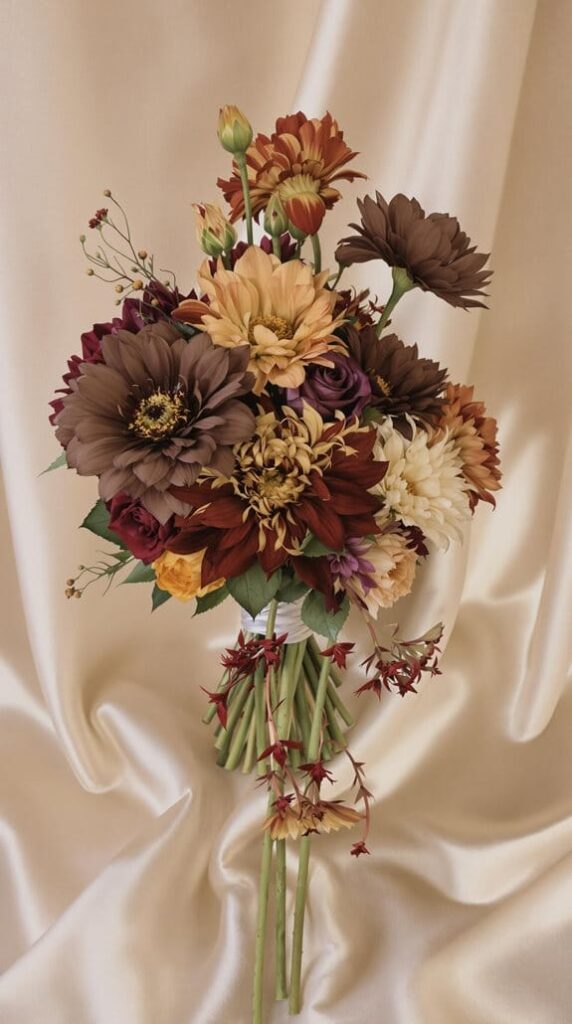
A year ago, I’d have gotten some skeptical looks telling brides to consider a brown bouquet. Not anymore.
Pantone named Mocha Mousse as a key color, and that warm, cappuccino-toned influence has fully taken hold in wedding florals. Toffee roses. Chocolate cosmos. Mocha-tinted orchids. Rust chrysanthemums. Layered together, these arrangements feel grounded and sophisticated in a way that blush-and-white just doesn’t anymore.
In my experience, what makes this palette work is its flexibility. You can soften it with cream garden roses or ivory lisianthus for warmth without heaviness. Deepen it with dried elements and dark foliage for a more dramatic look. Add brushed gold vessels, and you’ve got something genuinely elegant.
Swap your standard eucalyptus for olive branch or magnolia leaf greenery. Trust me on that one, it makes a real difference.
Butter yellow is also worth your attention this year. It’s quieter than the earth tones, but it has this soft, English countryside quality that’s hard to get wrong for spring or outdoor weddings.
Where to look: Nearly Natural carries quality faux stems across this palette — useful when you need large installations and fresh flowers would blow the budget.
Forget the Perfect Sphere
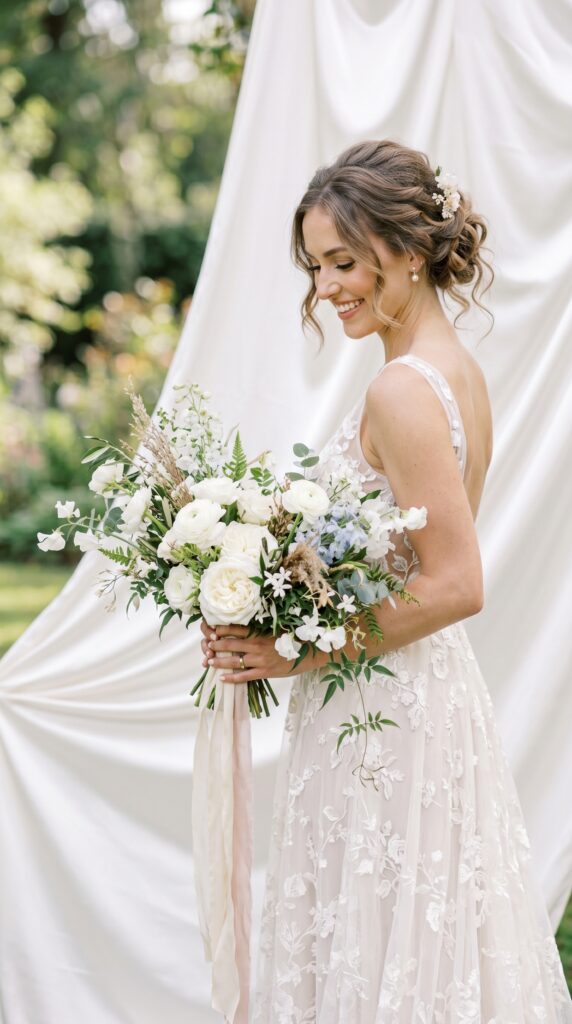
Round bouquets aren’t wrong. But they’re no longer the obvious answer.
The shape I’m getting asked for most in 2026 is free-form and asymmetric; organic silhouettes, intentional negative space, varied stem lengths, that just-picked feeling.
Long-stemmed bouquets with exposed stems are especially popular right now, and I think they look fantastic. There’s something modern and confident about letting the stem be part of the design rather than hiding it under ribbon.
The cascading bouquet is also making a comeback, which I’m happy about. But it’s lighter than the old waterfall style, with delicate trailing vines and single amaranthus stems, not the heavy clusters from twenty years ago.
And then there’s the monofloral bouquet. One flower. Done with intention. A tight bundle of calla lilies. An armful of garden roses in a single shade. These designs take confidence to carry off, but they reward it with a look that photographs like a fashion editorial.
One practical tip: If you’re heading to a florist consultation, bring photos, not descriptions. Asymmetry is genuinely hard to communicate in words. A mood board image is worth ten minutes of explanation.
4. The 1800s Called — and I Think They’re onto Something
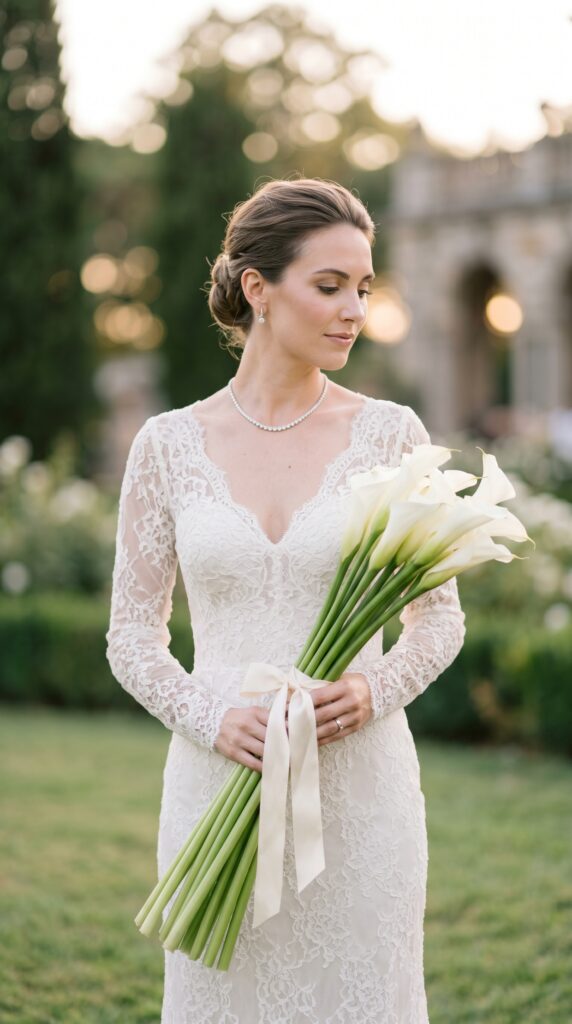
Here’s the trend that surprised me most this year: calla lilies and lily of the valley are back. Not in a retro, nostalgic way. In a modern, intentional way that I find genuinely compelling.
Both flowers were wedding staples in the 1800s, when floriography — using flowers to communicate specific meanings — was common practice. Calla lilies symbolize purity and innocence. Lily of the valley represents sweetness and a return to happiness.
When couples think more deliberately about meaning and less about trend-chasing, it makes sense that they’re reaching for blooms with actual stories behind them.
What makes these feel fresh in 2026 is the styling. Small, monofloral bundles instead of mixed arrangements. Calla lilies in deep plum or champagne rather than the predictable white. Long, exposed stems instead of all that ribbon. Simple. Restrained. Romantic.
I’d rather design one of these than another overstuffed mixed bouquet any day.
The Centerpiece That Goes on the Floor
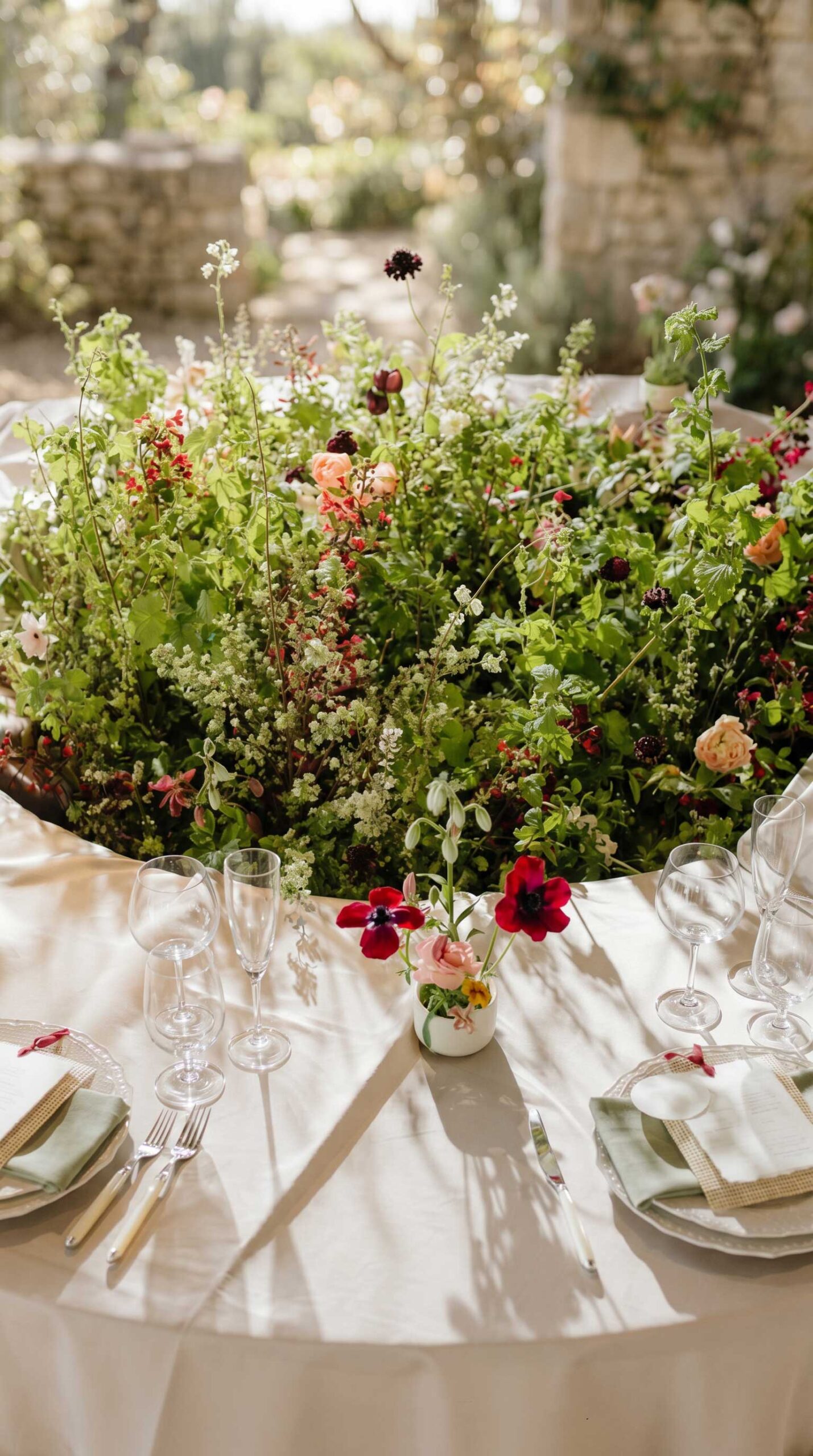
This one took me a minute to wrap my head around; then I saw it done well and understood completely.
The sunken meadow is the reinvention of the centerpiece in 2026. Instead of flowers rising above the table in a vase, arrangements sprawl across and between tables at floor level, like an actual garden has grown up through the venue. The effect is immersive in a way traditional centerpieces aren’t. Guests feel seated inside the arrangement, not next to it.
Queen Anne’s lace, cosmos, sweet peas, scabiosa, and local wildflowers all work beautifully for this look. The more it resembles something genuinely gathered from a meadow, the better.
Here’s a practical bonus I appreciate: these arrangements are highly reusable. Ceremony arch florals and sculptural pillar pieces can often be repositioned and converted into meadow-style reception displays. You get two uses out of one purchase, which is a real conversation to have with your florist or your budget spreadsheet.
Make It Yours — That’s the Whole Point
In my opinion, this is the most important trend on this list, and it’s not really a trend at all. It’s couples deciding that their flowers should mean something specific to them.
I’ve had consultations where brides have brought in a grandmother’s recipe card and asked me to source the flowers from her garden. I’ve had couples incorporate sunflowers from their first date alongside more formal blooms. I’ve pinned family heirloom brooches into a bouquet wrap. I’ve sourced specific flowers because of a cultural heritage, not because they were popular on Pinterest that week.
That’s the kind of work that sticks with you. David Austin roses and lisianthus are still the workhorses for this kind of personalized design. They’re versatile, come in an array of colors, and flatter in almost any style.
For DIY brides: FlowerExplosion and GlobalRose all offer direct online purchasing with bulk pricing. For silk accent flowers and foliage, Nearly Natural and craft retailers like Hobby Lobby and Michaels are solid options. Mix quality silk with fresh foliage wherever you can. It’s what keeps those arrangements looking real.
I’ve Changed My Mind About Faux Flowers
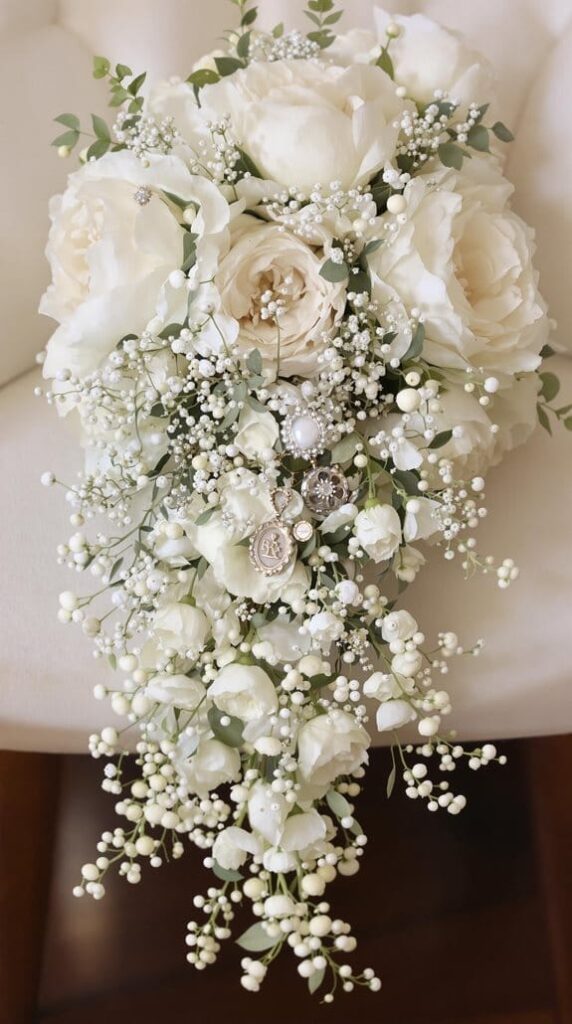
I want to be straightforward with you here, because I think a lot of florists are still dancing around this.
High-end artificial flowers in 2026 are not what they were ten years ago. The technology has genuinely changed. Today’s premium faux blooms use polyurethane foam and liquid latex that mimics the cool, damp feel of a real petal. In photographs, and often in person, I can’t tell the difference. And I’ve been doing this a long time.
Here’s how I think about it now: use fresh flowers where people will touch them or smell them. Use quality faux where they won’t.
Fresh for: your bridal bouquet, low dinner table centerpieces, and anything guests interact with directly.
Faux for: ceiling installations, large floral arches, flower walls, aisle meadow arrangements (which, I promise you, get stepped on within twenty minutes), and welcome sign garlands.
The numbers clearly make the case. A fresh flower arch runs $5,000–$9,000 in labor and materials. A quality faux version that photographs identically costs a fraction of that, and you can resell it to another bride afterward instead of composting it at midnight.
That’s not a compromise. That’s a smart decision.
My standard advice: When using silk flowers, always mix them with fresh foliage. It’s the single most effective thing you can do to keep a mixed arrangement looking convincing. I do this in my own work and I’m not shy about saying so.
Shop: Nearly Natural for quality faux stems, or Hobby Lobby and Michaels for accent pieces and foliage fillers.
Products Worth Considering

【Full & Beauty Flower】Our brown hydrangea artificial flowers are vibrant colors that come to life, have a real touch, and look natural. Unlike ordinary silk hydrangeas, our fake fall hydrangeas are more fuller. You can combine this delicate blooming faux hydrangea with other lovely floral bouquets to DIY the bouquet you like. It is also a good gift for your mother, daughter, friends, and everyone you love.
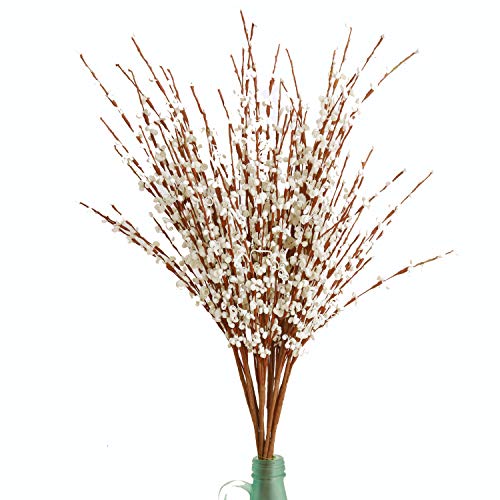
Add a fresh pop of color and a wintry touch to your wreaths, arrangements or other craft projects with this Winter and spring Jasmine artificial flowers

Real Touch Hydrangeas - Crafted with premium silk (not stiff, shiny plastic) for a soft, velvety feel, these hydrangea blooms feature realistic stamen detail and layered petals for natural depth. Sturdy, thicker stems ensure lasting shape retention, and a light mist adds lifelike droplets—ideal faux hydrangea flowers for wedding Centerpieces, home décor, and events.
The Garden-Gathered Look Isn’t Going Anywhere
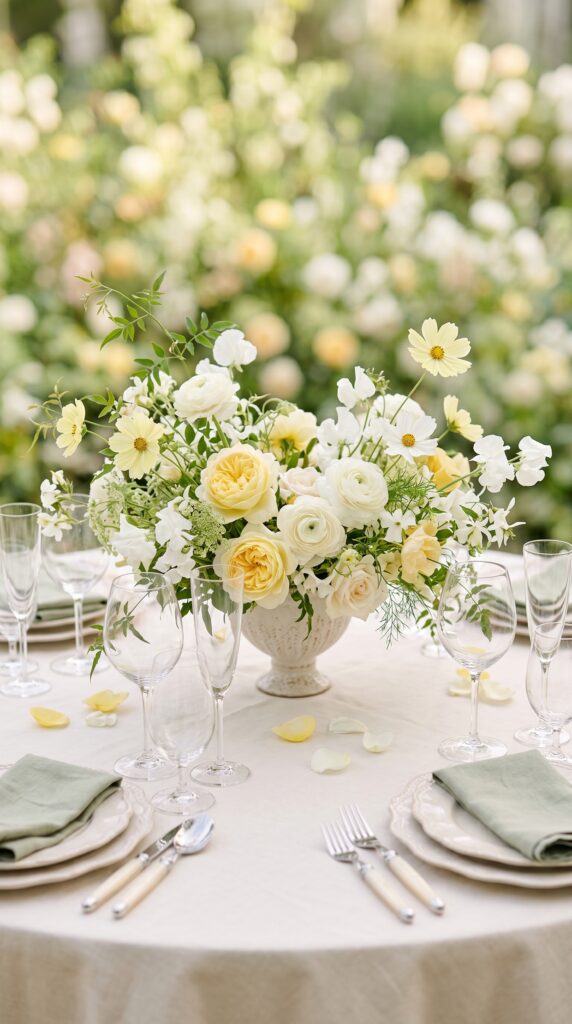
Not every bride wants drama. Not every wedding calls for sculptural installations and cascading amaranthus. And that’s perfectly fine.
The airy, garden-gathered aesthetic is as strong as ever, and I expect it to stay that way. What’s fresh about it in 2026 is the color direction: pale lemon and white are quietly becoming the sophisticated alternative to all-white. It’s soft, uplifting, and it photographs beautifully in both country-house and modern-city settings.
Sweet peas, cosmos, scabiosa, and lisianthus are the ingredients here. Local seasonal wildflowers and Queen Anne’s lace give you that effortlessly organic feel that’s genuinely hard to fake with imported, out-of-season blooms. If you can source locally, do it; the freshness shows.
For hair, I’m seeing more restraint than I have in years. Delicate floral pins and half-crowns of tiny cosmos or scabiosa are tucked into loose waves rather than the elaborate full crowns that peaked a few years back. Less is more. It works.
Design for the Camera Too
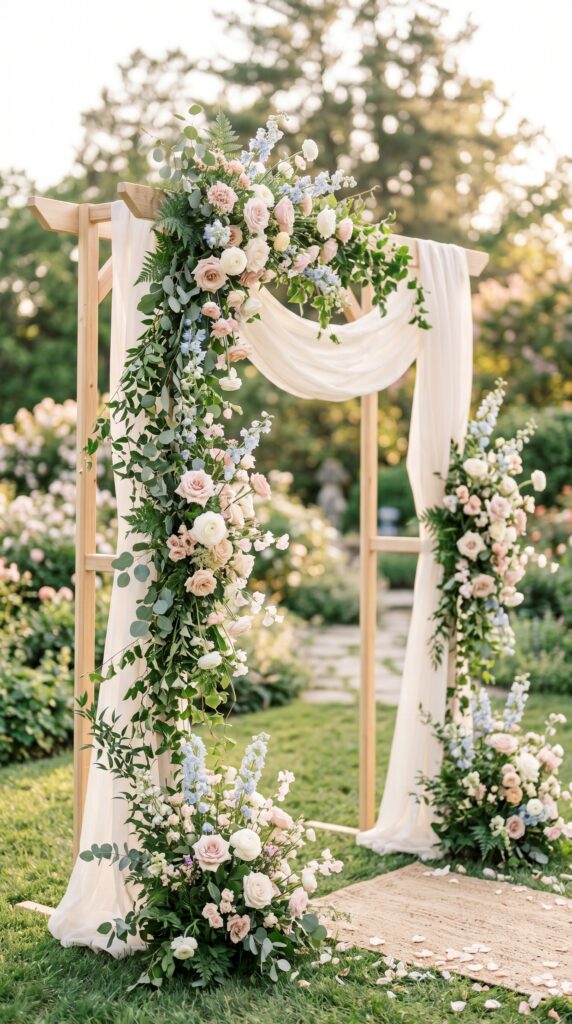
Here’s something I tell every bride who comes in with a photographer they love: your florist and your photographer should be aligned.
Every floral decision is also a photography decision. Ask your florist to design your bouquet so it looks beautiful from every angle, because your photographer will shoot it from every angle. Design your ceremony arch to serve double duty as a reception photo backdrop. Think about what happens at the edges of the room, not just at the focal points.
The small details often get more camera time than you’d expect. Floating blooms in champagne coupes. A sprig tucked into a place card. A floral detail on the cake. These images fill the in-between moments of a wedding gallery. Don’t overlook them.
And if you’re having an evening reception, get some lighting into your centerpieces. As natural light fades, the flowers need something to work with them. It makes a significant difference in how the room photographs after dark.
Where to Buy Your Wedding Flowers
Fresh flowers (DIY bulk):
- FlowerExplosion — strong range, competitive per-stem pricing
- GlobalRose — wide variety, including specialty and tropical stems
- Your local florist — still the right call for orders under 80 stems
High-quality faux and silk:
- Nearly Natural — the most realistic faux options I’ve seen for mixed arrangements
- Hobby Lobby and Michaels — solid for accent pieces and foliage fillers
Floral supplies:
- Floralife preservatives on Amazon — what we use in the shop
- Floral wire, tape, and foam on Amazon
Products Worth Considering

2 BUNCH LUXURY SUNFLOWER SET:Includes 2 full bouquets with 14 large 4-inch sunflower heads, 60 small sunflowers, and 72 matching leaves. Total stem length 17.7 inches; flexible wire stems bend and trim easily for any vase or arrangement
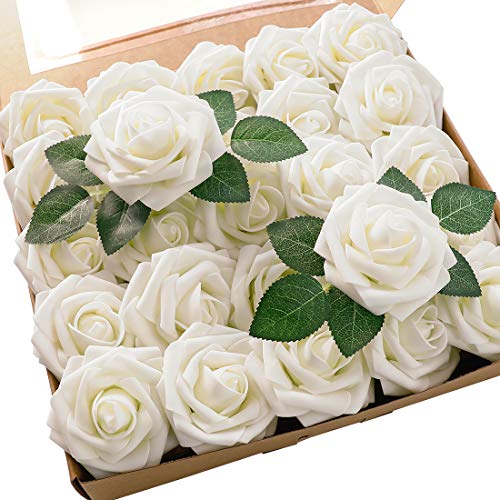
❤️Material: Floroom Studio's artificial roses are crafted from soft, high-quality PE foam, which lends them the look and feel of fresh flowers.

【Value Pack】Come with 200 pack artificial eucalyptus leaves stems in 8 different styles, all of them in different shapes and sizes, as shown in the picture.
Frequently Asked Questions
What is the most popular wedding flower for 2026?
Amaranthus has seen the biggest surge — a 383% year-over-year increase in florist requests. For classic choices, garden roses and calla lilies remain consistently the most requested. Lily of the valley is making a notable comeback in monofloral bouquets.
What wedding flower colors are trending in 2026?
Warm earth tones dominate: Mocha Mousse, toffee, cappuccino, and rust. Soft butter yellow and all-white palettes are strong neutral options. Deep jewel tones, burgundy, emerald, and eggplant are popular for fall and evening weddings. Cool blush tones are fading.
Are faux flowers acceptable for a 2026 wedding?
More than acceptable. They’re increasingly a smart strategic choice. High-end “Real Touch” faux flowers are visually indistinguishable from fresh in photographs. My approach: fresh for the bouquet and close-contact elements, faux for large architectural installations.
What is a sunken meadow centerpiece?
A sunken meadow runs at or below table level, sprawling between place settings rather than rising in a vase. Sweet peas, cosmos, Queen Anne’s lace, and wildflowers are popular choices. The effect creates an immersive, garden-like atmosphere that guests actually feel surrounded by.
What bouquet shape is most popular in 2026?
The asymmetric or free-form bouquet. Organic shapes, varied stem lengths, and intentional negative space. Long-stemmed bouquets with exposed stems are also strongly trending. Round, uniform bouquets are declining but not wrong.
What wedding flowers are out of style in 2026?
Baby’s breath, used as a primary flower, reads dated today. Anemones are declining as focal flowers. Sunflowers outside of rustic barn settings and perfectly symmetrical mixed bouquets are both losing ground with florists who are paying attention.
How far in advance should I order wedding flowers?
For a florist: 6–12 months for peak season dates. For DIY bulk online orders: 2–3 weeks in advance, with a small test order placed well before the wedding to check quality and conditioning on arrival. Don’t skip the test order.
Can I mix fresh and faux flowers in the same arrangement?
Yes, and in my opinion, it’s one of the smartest things you can do in 2026. Fresh where people touch and smell, faux for the big structural pieces. Always pair silk stems with real foliage. Always.
Closing Thoughts
The best wedding flowers aren’t the trendiest ones. They’re the ones that feel like you, and that still make you smile when you pull out the photos fifteen years from now.
Every trend on this list is just a starting point. Bring them to your florist, talk through what actually resonates, and let the design grow from there. The right flowers for your wedding are the ones that bloom into something personal.
Til next time,