Disclosure: This post may contain affiliate links. If you click and buy, we may earn a commission at no extra cost to you. As an Amazon Associate, we earn from qualifying purchases.
Last Updated: June 2026
A bride came into the shop a few years back with a photo of a bouquet she’d saved from a magazine. It was a gorgeous bouquet, very romantic, lots going on. She wanted to recreate it for her wedding.
When I looked at the photo, I could see exactly what was making that bouquet work. One flower was doing most of the heavy lifting. The rest were just supporting it.
That’s what a focal flower does. It’s the bloom your eye goes to first. Everything else in the bouquet is there to frame it, support it, or play off it.
If you’re designing your own wedding bouquet, understanding focal flowers is probably the single most useful concept you can take with you. Once you have it, a lot of other decisions get easier.
What Are Focal Flowers?
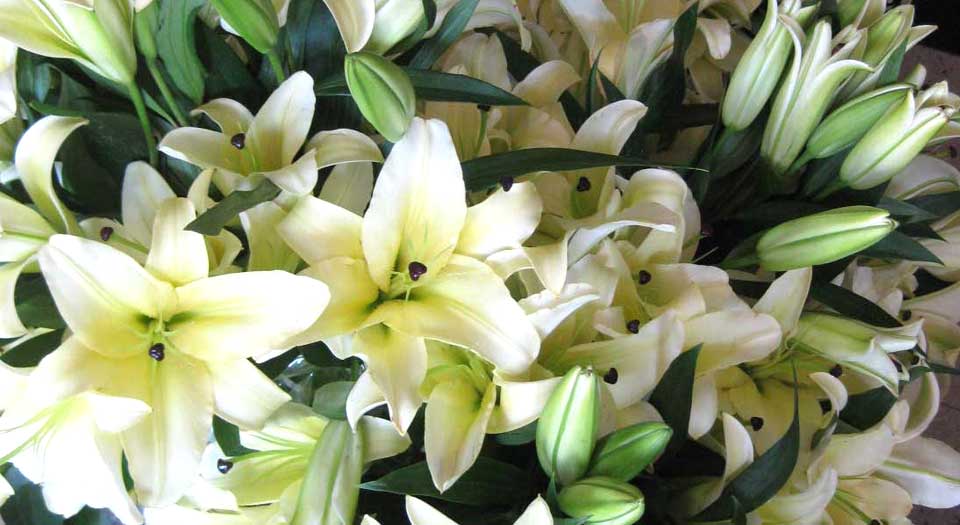
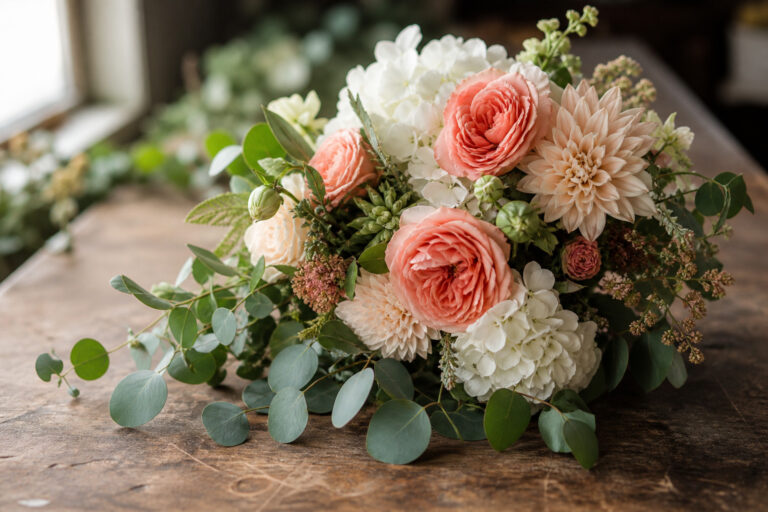
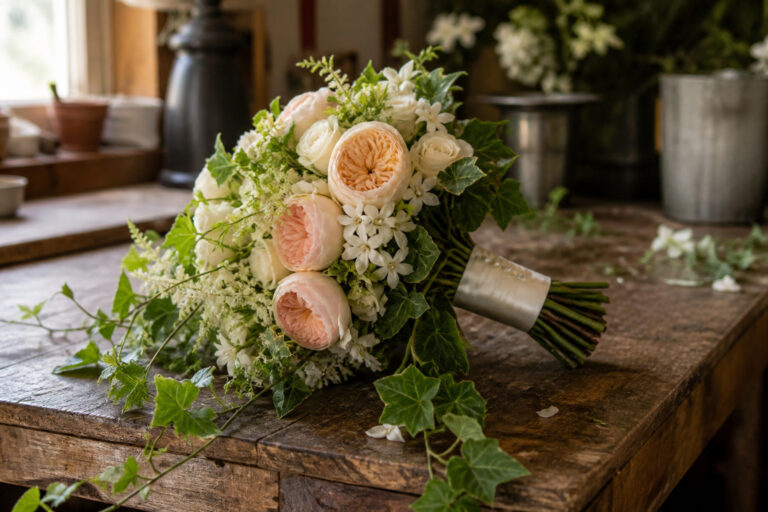
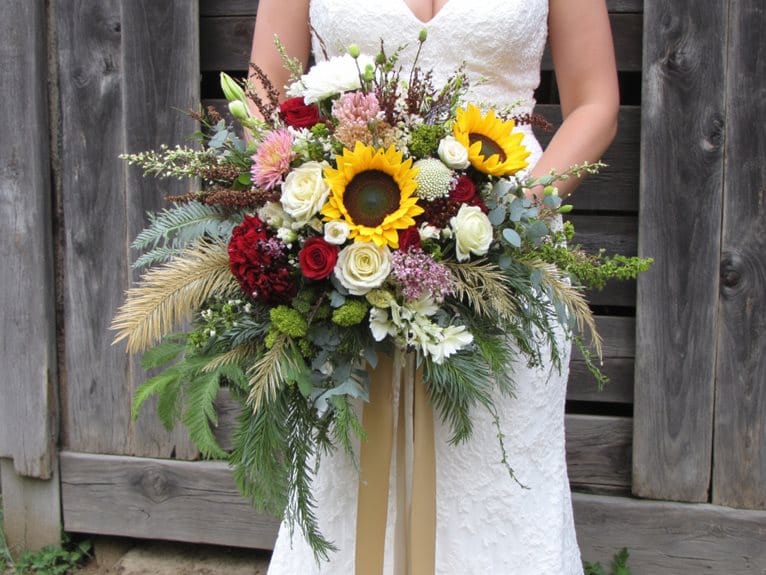
Focal flowers are the primary blooms you build your bouquet around. Their job is to draw the eye — they’re the first thing you notice when someone walks down the aisle holding that bouquet.
In most bridal bouquets, focal flowers sit near the center and are surrounded by secondary flowers, filler, and greenery. They’re usually larger and more visually commanding than the flowers around them, but not always. A smaller bloom in a strong, contrasting color can absolutely serve as the focal point.
One technique I use often: if you’re designing a monochromatic bouquet — all one flower type or color — add a few reflexed blooms toward the center. Reflexing opens the petals back further than they’d open on their own, and a cluster of reflexed blooms creates a natural focal point even in a single-variety design.
The photos below show several focal flower examples from designs we’ve done at the shop over the years.
Pick the Right Focal Flower for Your Style
There’s no single right answer here. Focal flowers span every price point, season, and aesthetic. What matters is whether the flower fits your vision and holds up on your wedding day. Here are the ones I reach for most often — and a few notes from working with each of them.
Garden Roses
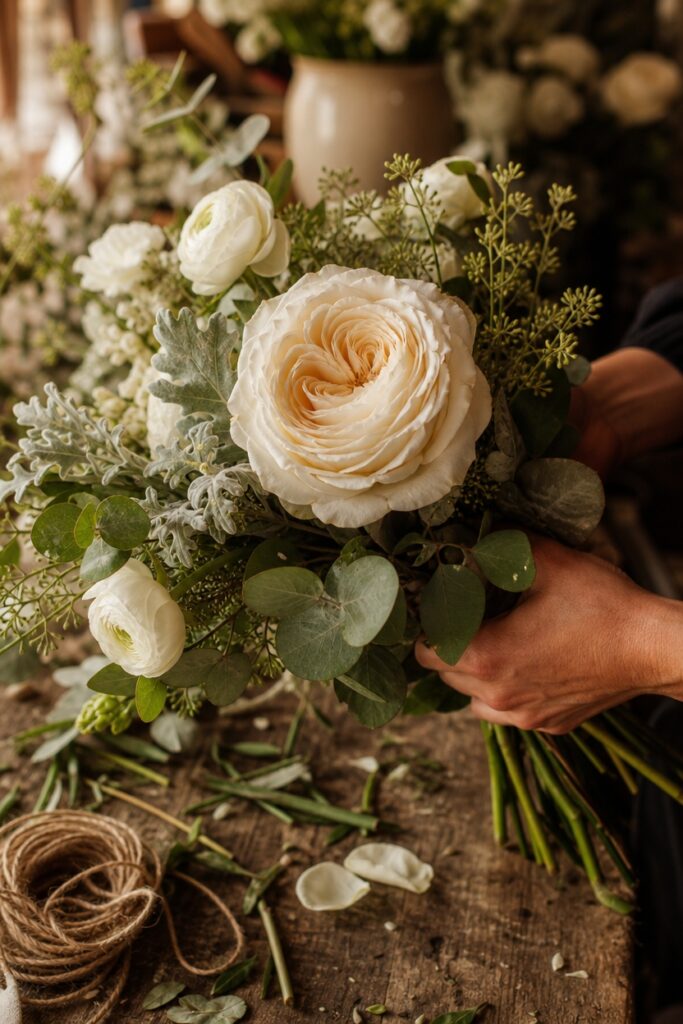
Garden roses are one of my go-to recommendations for wedding bouquets. The fragrance, the layered petal structure, the bloom size — they tick a lot of boxes. They also photograph well, which matters more than people realize.
One practical thing: garden roses are available year-round, which makes them a reliable substitute when peonies are out of season. If a bride has her heart set on that soft, full peony look in November, garden roses are usually the answer. Check out our guide to fragrant garden roses for weddings if you want to dig into specific varieties.
Ranunculuses
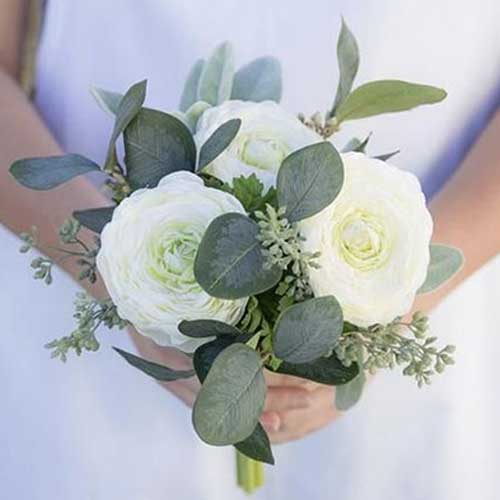
Ranunculus flowers have become one of the most popular wedding flowers going, and it’s not hard to see why. The layered petals give them a look somewhere between a garden rose and a peony, at a lower price point.
For a focal flower, I’d steer you toward the larger “Cloony” ranunculus. The standard ranunculus is a beautiful accent flower, but the bloom size is modest. Cloonys are bigger, more commanding, and well worth the extra cost if you want ranunculus to be your primary bloom.
When I use standard ranunculus in a bouquet, I cluster them in groups of three or five rather than spacing them individually. Clustered together, they read as one larger focal element instead of scattered dots.
Peonies
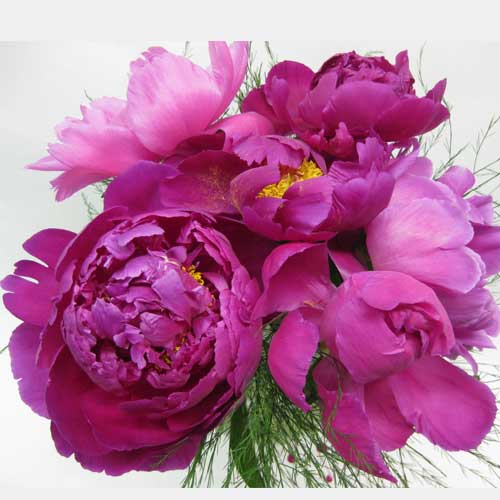
When a fully open peony is at its peak, there’s nothing quite like it in a bouquet. They’re generous, lush, and they command attention without trying. Peonies have a way of making everything around them look better, which is a useful trait in a focal flower.
The catch is seasonality. Fresh peonies are typically available late spring through early summer, roughly May through June in most of the country. Outside that window, you’re looking at an imported product, and the price reflects it. If your wedding falls outside peony season, a garden rose is the closest match. If peonies are your must-have, consider timing your date accordingly.
If you want ideas for working them into your full flower plan, take a look at our post on peony wedding flowers.
Anemones
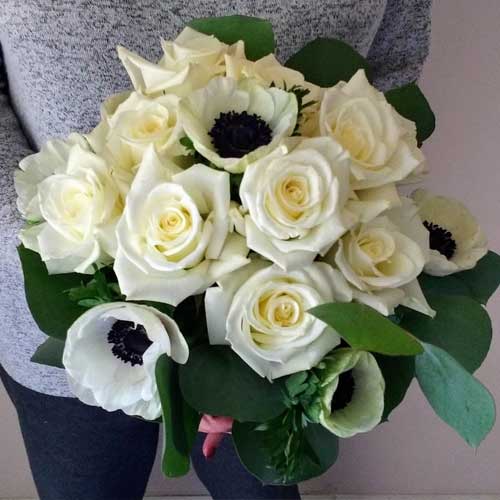
Anemones are one of the more underrated focal flower options. That dark center against white or jewel-tone petals creates a sharp contrast that reads well in photos and in person. They’re not subtle, which is exactly the point for a focal flower.
Anemones have carried symbolic associations with love, which appeals to brides who care about meaning. Whether you’re drawn to the symbolism or just the look, they’re worth considering if you want something a little different from the usual suspects.
Lilies
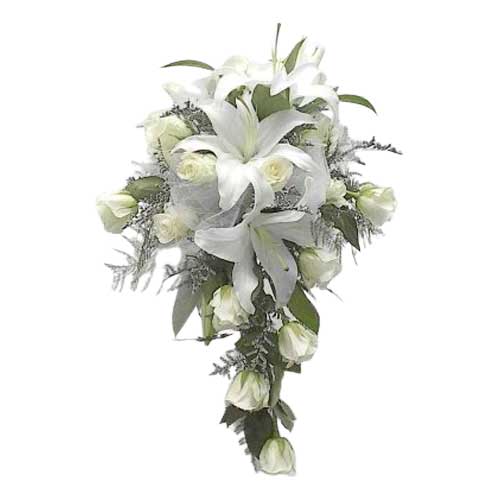
Lilies have been a staple of bridal bouquets for as long as I’ve been in this business. They have a presence that’s hard to replicate; the bloom size, the shape, the fragrance. Some people find the scent too strong for a bouquet held close all day, which is worth thinking about. But for a cascading bridal bouquet, lilies are a natural fit. They trail beautifully.
One thing to keep in mind if you’re working with fresh oriental lilies: remove the stamens before they shed pollen. It stains clothing, and that’s a problem you don’t want on your wedding day.
Gerbera Daisies
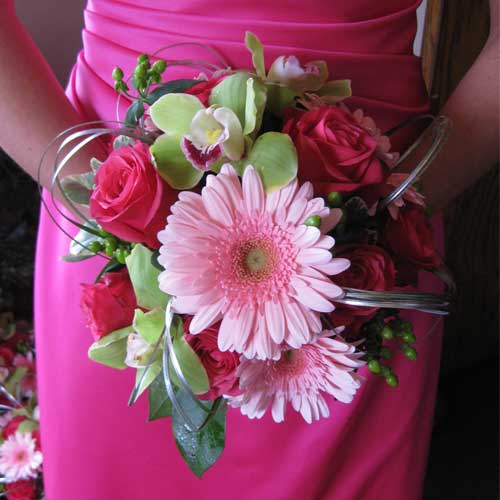
Gerbera daisies don’t get as much credit as they deserve for wedding work. The bloom diameter is ideal. It’s big enough to anchor a bouquet, but not so oversized that they overwhelm it. They’re also available in essentially every color you’d want, which makes them easy to match to a palette.
The one thing I always tell people: buy fresh, and look for gerberas with a firm center. A soft or mushy center is a sign the flower is past its prime. Fresh gerberas hold up well. Older ones don’t.
Orchids
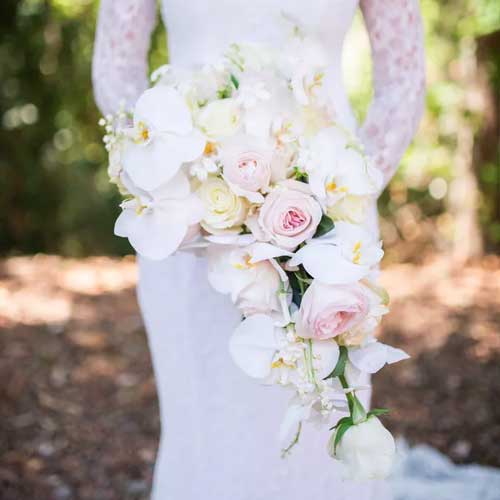
We’ve always referred to orchids as the “Cadillac” of cut flowers in the shop, and I stand by it. They bring an elegance to a bouquet that’s difficult to match.
For many years, Cattleya and Japhet orchid varieties were the standard in wedding work. Today, Phalaenopsis and dendrobium varieties are more popular. They feel less formal, more organic. They’re also priced accordingly, so budget for that. If you want a cascading bridal bouquet, a trail of Phalaenopsis orchids is one of the most striking ways to get there.
Calla Lilies
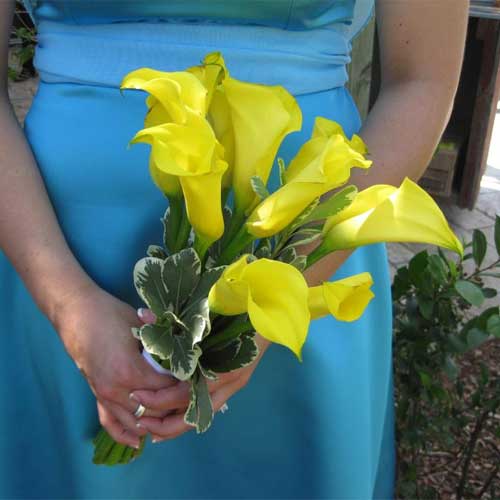
Calla lilies are one of the most architecturally interesting focal flowers you can use. That trumpet shape is unlike anything else, and in bouquet work, that geometry creates a strong focal point on its own — no size required. Mini callas are particularly versatile; they cluster beautifully and come in a wide range of colors.
For more on keeping callas in peak condition before and during your wedding, see our calla lily care guide.
How to Choose the Right Focal Flower for Your Bouquet
When I sit down with a prospective bride, my first question is always the same: What are two or three flowers you absolutely want in your bouquet? From there, the focal flower often reveals itself. The largest bloom usually becomes the primary, but not always.
Here’s a simple way to think about it based on style:
Romantic or vintage look: Garden roses or peonies. They have a lushness and a softness that suits that aesthetic. See our vintage wedding bouquet ideas for inspiration.
Modern or minimalist: A cluster of gerberas, a tight grouping of callas, or a few larger ranunculus blooms. Orchids in a cascading design also fit here well.
Boho or garden-style: Anemones, ranunculus, lisianthus, or garden roses mixed with organic greenery. Boho wedding bouquets give you the most latitude when it comes to focal flower choice — almost anything goes if the color and texture work.
The key is that your focal flower should feel connected to the overall theme. It doesn’t need to be the most expensive flower in the bouquet — it needs to be the right one.
Understand the Focal Effect of Color
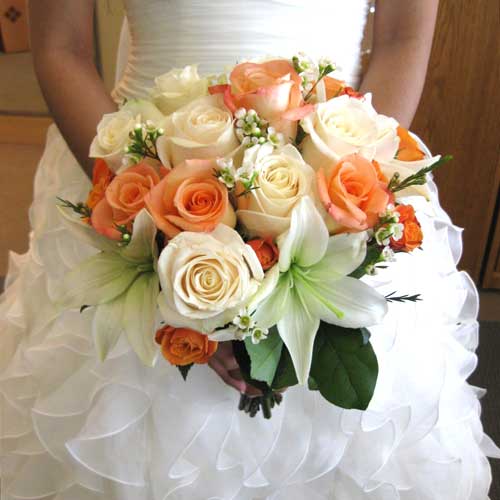
Color is a bigger factor than most DIYers realize. Against a white or ivory gown, any flower with strong color contrast is going to draw the eye, even if it’s smaller than the blooms around it. I’ve seen a single orange rose upstage a bouquet full of large white peonies simply because of the contrast against the dress.
That’s not a problem. It’s just something you need to make a conscious choice about. If you want bold contrast, lean into it. If you want all the flowers to carry equal weight, keep the palette close and let size and placement do the work.
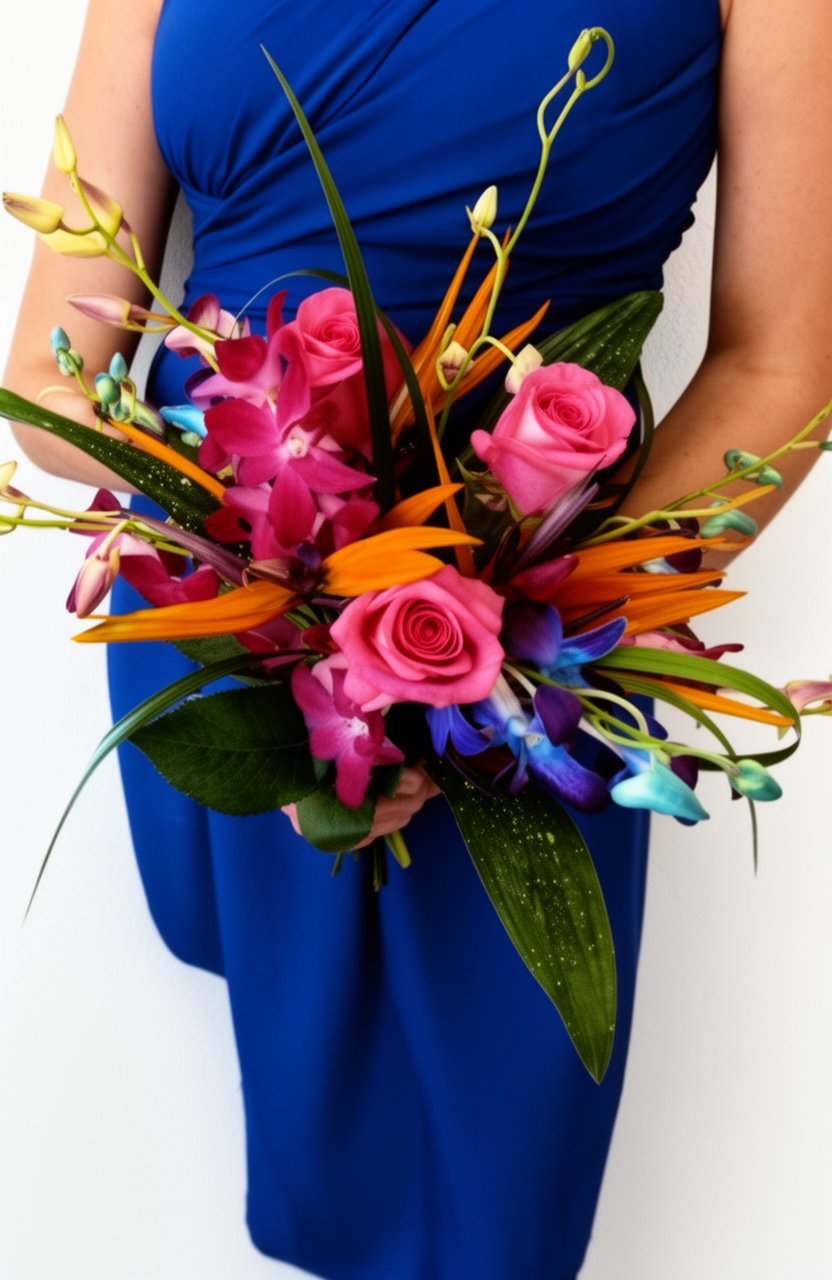
If you’re still working out your color direction, my post on what color your bridal bouquet should be can help you sort through the options.
What I Keep on Hand for DIY Wedding Flowers
If you’re handling your own wedding flowers, having the right blooms on hand makes a meaningful difference. Here’s what I’d recommend based on what we actually use in the shop:
What I use in the shop:
- Garden roses (bulk stems) — my first recommendation for DIY focal flowers. Reliable, available year-round, and beautiful. A few stems go a long way.
- Cloony ranunculus — if you want the ranunculus to look like a true focal flower, these are the ones to order. Worth the upgrade.
- Peonies — in season, nothing else compares. Order a few extra so you can pick the best-opened blooms for the bouquet.
- Anemones — if you want contrast and a little drama in the bouquet, these deliver.
- Calla lilies — beautiful structural focal flower. Mini callas especially, are versatile and easy to work with.
Frequently Asked Questions
How many focal flowers should I use in a bridal bouquet?
Most bridal bouquets work best with one primary focal flower and one or two secondary varieties. One to three stems of a large focal flower, a peony or garden rose, surrounded by complementary blooms, creates a balanced, intentional look.
Can I use more than one type of focal flower?
You can, but the bouquet works better when one flower is clearly dominant, and the others play a supporting role. Two equally large, equally bold flowers competing for attention can make a bouquet feel busy rather than balanced. Choose a lead and a supporting cast.
What’s the difference between a focal flower and a filler flower?
Focal flowers are the blooms the eye goes to first. They’re the reason the bouquet looks the way it does. Filler flowers (baby’s breath, waxflower, or small spray roses) occupy the space between focal flowers and greenery. They add volume and texture but aren’t meant to command attention on their own.
Are focal flowers more expensive than other wedding flowers?
Generally, yes. Peonies, garden roses, orchids, and large-format ranunculus tend to carry a higher per-stem cost because of their bloom size and, in some cases, their limited seasonality. That said, a bouquet built around fewer high-quality focal flowers can be more cost-effective than one stuffed with filler.
What focal flower works best for a cascading bouquet?
Lilies and orchids, particularly Phalaenopsis, are the most natural choices for cascading bridal bouquets. Their stems trail well, and the flowers hold their shape at different angles. Calla lilies also work well in a cascade because of their linear form.
When should I order focal flowers for my DIY wedding bouquet?
Order stems to arrive two to three days before the wedding. That gives you time to condition them properly and let them open to the right stage. Most focal flowers like peonies and garden roses are too tight to use right off the delivery truck. They need time to open. Plan for that.
Closing Thoughts
Every great bridal bouquet has one thing in common: you can look at it and immediately see what it’s about. That’s the focal flower doing its job. Pick the bloom that speaks to your vision, build around it intentionally, and the rest of the design tends to fall into place.
Don’t overthink the selection. Choose one to three flowers you genuinely love, identify which one has the most visual presence, and let that be your anchor. The bouquet grows from there. Like any good arrangement, it starts with a strong center and blooms outward.
Drop a comment below and tell me what focal flower you’re considering for your bouquet. I’d love to hear what direction you’re going.
Til next time,