
Disclosure: This post may contain affiliate links. If you click and buy, we may earn a commission at no extra cost to you. As an Amazon Associate, we earn from qualifying purchases.
Last Updated: July 11, 2026
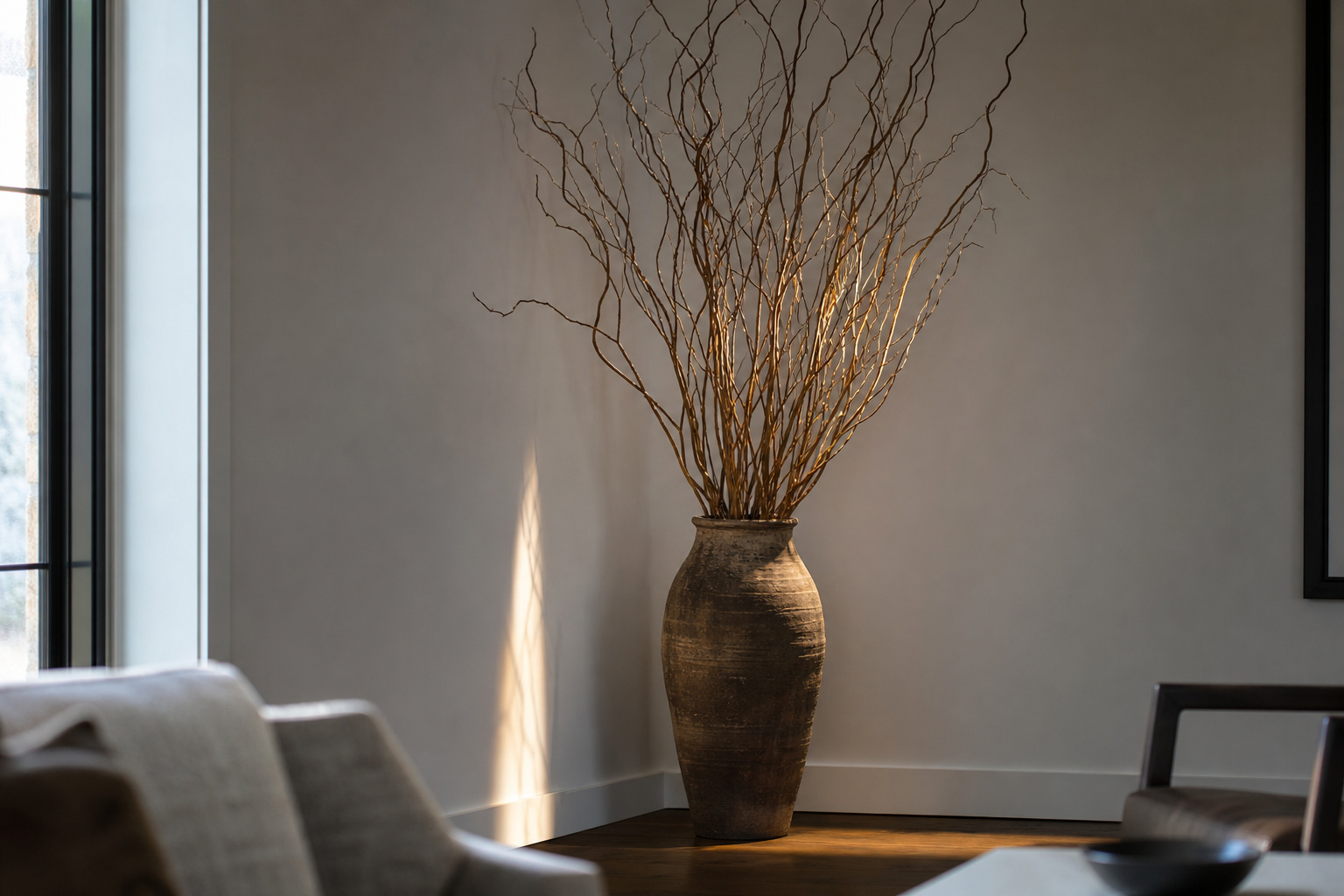
A client recently called the shop, panicked. Her cat had knocked over a floor vase full of curly willow the day before her open house, and she wanted to know if there was any way to keep it from happening again without losing the height she liked.
There was. It’s mostly a matter of matching the vase’s weight to what’s going in it, which is the part most people skip entirely when they buy one.
A large floor vase is one of the easiest ways to fill dead space in a room. Done right, it’s also one of the easiest to get wrong, so here’s how I approach it.
Choose the Right Spot Before You Choose the Vase
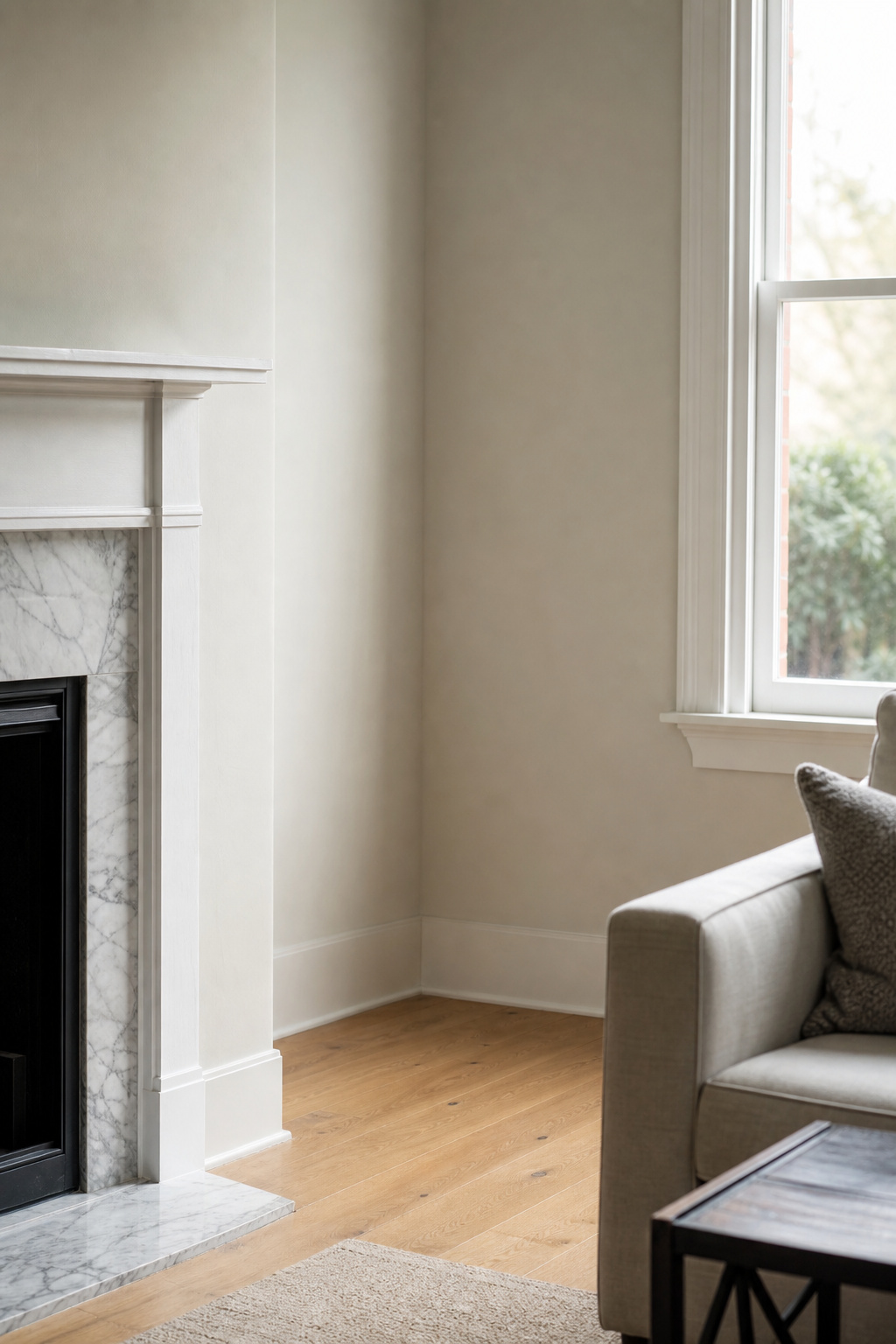
A floor vase earns its keep in spots that feel unfinished without it. An empty corner, the dead zone next to a fireplace, a staircase landing, or the side of a console table are all classic placements. In an office or lobby, they tend to land near the entrance or the reception desk, where a little height sets the tone before anyone reaches the front counter.
Large vases can also do double duty as a soft room divider. In an open-concept space, a pair of tall vases with substantial branch material creates a visual break between a living area and a dining area without a single wall going up.
Measure the space before you shop. A vase that reads as dramatic in a showroom can look undersized against an eight-foot ceiling, or oversized in a tight foyer corner.
Match the Branch to the Vessel
This is the part most people get wrong, and it’s the difference between an arrangement that looks intentional and one that looks like a stick in a bucket.
Scale matters first. Your branch height should run roughly one and a half to two times the height of the vase itself. Shorter than that, and the vase overwhelms the branches. Taller, and the whole thing looks top-heavy and unstable, which it usually is.
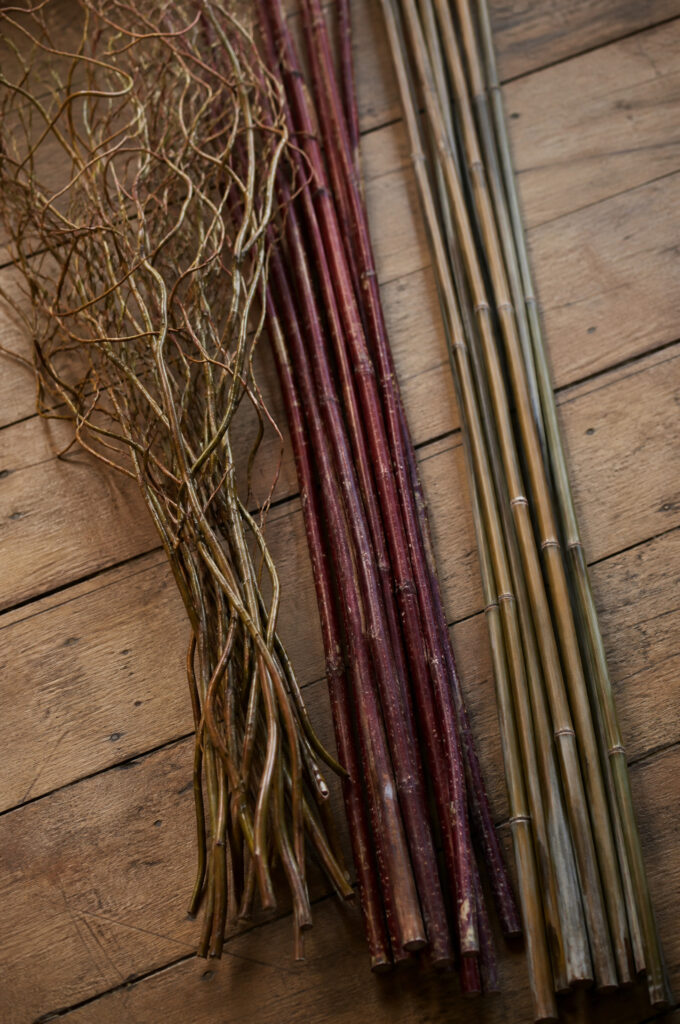
Curly willow and birch read very differently, and picking between them comes down to the room. Curly willow twists and coils, which gives a space a looser, more organic feel. It works well in a room that already leans casual or bohemian. Birch and rivercane are straighter and more architectural, and it suits a cleaner, more contemporary room where you want structure rather than movement. None is better. They’re doing different jobs.
I’ve found that odd numbers of branches, three, five, seven, read as more natural than even numbers. Vary the height slightly between stems instead of cutting them all flush. A little asymmetry is what keeps the arrangement from looking like it came out of a box.
Weight the Vase So It Doesn’t Tip
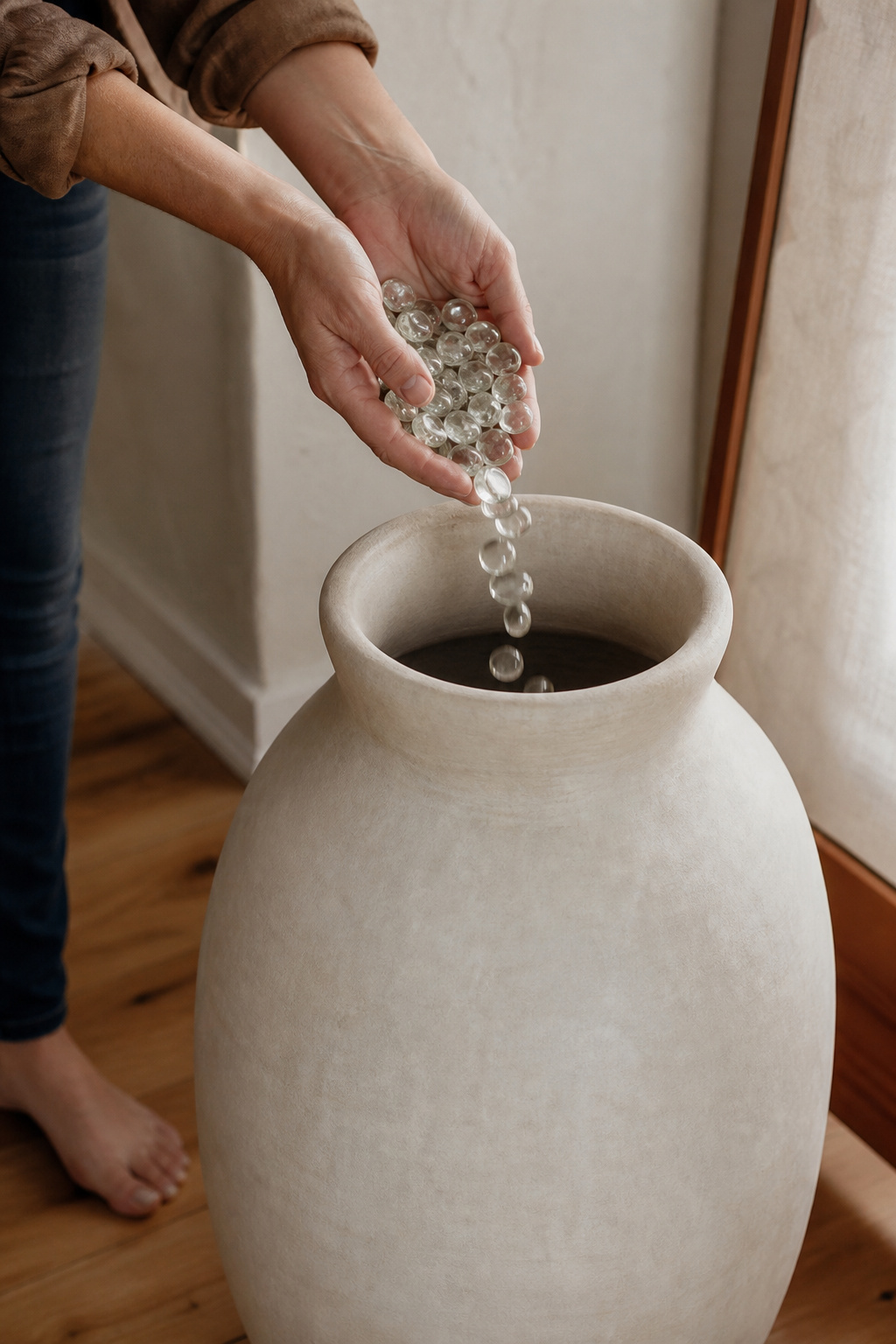
Tall, top-heavy branch material in a lightweight vase is a tipping hazard, especially with kids or pets in the house.
If you’re worried a floor vase isn’t safe with a curious cat or a toddler underfoot, don’t be. It just needs ballast. A layer of decorative stones, glass pebbles, or even sand in the bottom third of the vase adds enough weight to stabilize it, and it looks intentional rather than like a workaround. For branches specifically, you can also brace them with a bundle of shorter, sturdier stems packed around the base to hold everything upright.
If you’re using fresh branches rather than dried, you’re working with a live stem that still needs water and, in some cases, support to hold its shape. Our guide to floral foam versus chicken wire covers how to brace a tall stem inside a vessel without foam, which is exactly the mechanic you need for a floor vase this size.
What I use in the shop: a bag of decorative glass pebbles or decorative stones in the base of any clear, tall vase holding branch material. It adds weight low in the vessel, where it actually helps stabilize it. Inexpensive stones or sand can be used to weight ceramic vases.
Choose a Material That Fits the Room
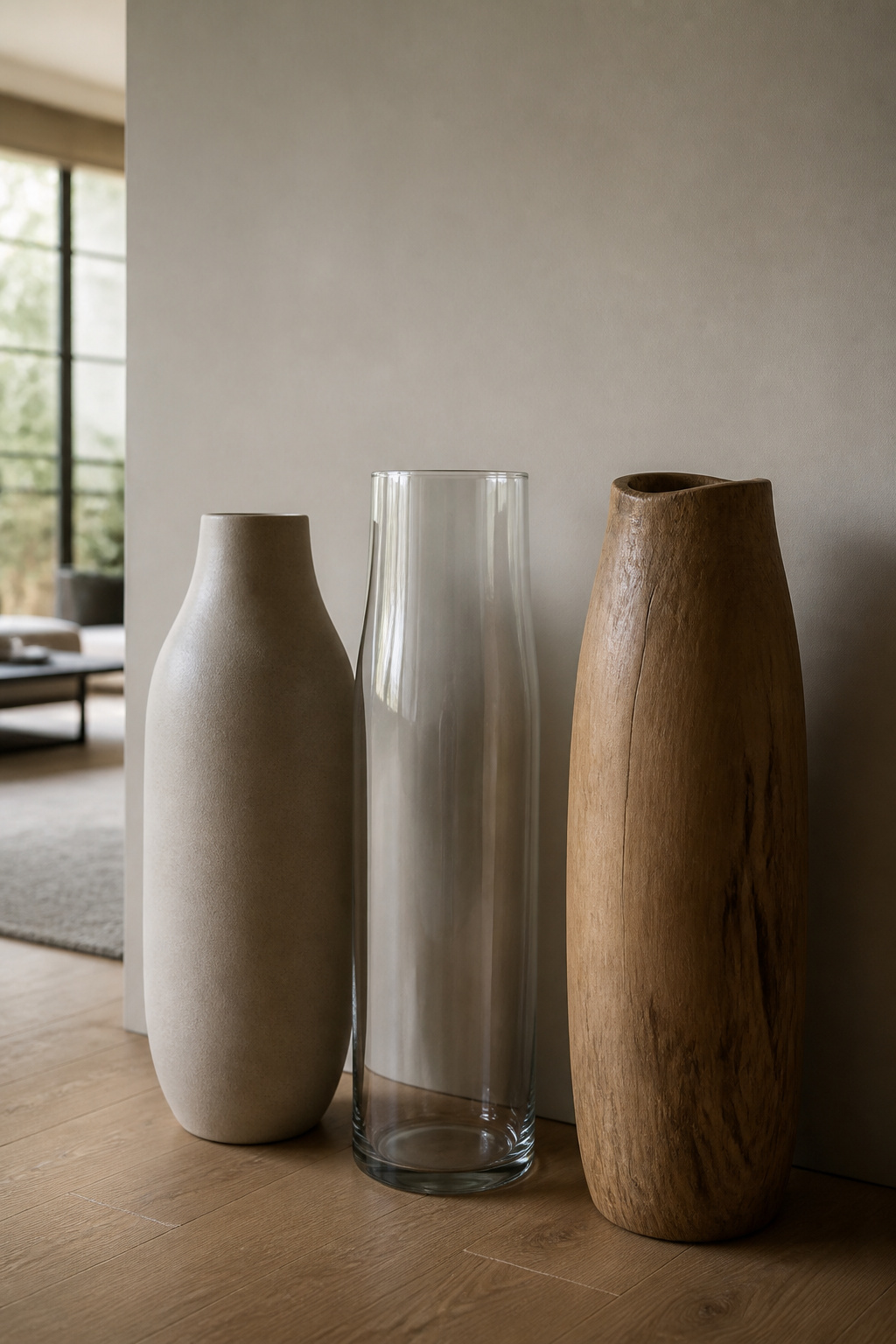
Ceramic, glass, and wood floor vases each bring something different to a room, and the choice isn’t just about looks.
Ceramic is heavier out of the box, which helps with the tipping problem before you’ve even added ballast. Glass shows the water level and stem placement, which is a plus with clean branch arrangements but a problem if the water gets cloudy and nobody notices. Wood vessels skip the water question entirely and work best with dried or silk material rather than anything fresh.
If you want the height and drama of a floor vase without the upkeep of fresh branches, a well-made faux arrangement is a legitimate option, and it sidesteps the water and weight concerns almost entirely. Our seasonal decor guide has more ideas on mixing fresh and faux elements so the faux pieces don’t read as obviously artificial.
Frequently Asked Questions
How tall should a floor vase be for a room with high ceilings?
For ceilings over nine feet, look at vases in the 30-40-inch range, and expect your branch material to add another few feet or more on top of that. A shorter vase can get visually lost in a tall room, so it’s worth erring on the larger side.
How do I keep a tall floor vase from tipping over?
Add weight low in the vase, using decorative stones, glass pebbles, or sand in the bottom third. Choose a wide-based vessel over a narrow one when possible, and keep branch height to no more than about twice the height of the vase to avoid a top-heavy imbalance.
Should I use fresh or dried branches in a floor vase?
Dried branches are lower maintenance and never need water, making them a solid choice for a set-it-and-forget-it accent. Fresh branches like curly willow or birch look more vibrant and can even root in water over time, but they need occasional water changes and closer attention.
What’s the difference between curly willow and birch for floor vases?
Curly willow twists and coils, giving a looser, more organic look suited to casual or bohemian rooms. Birch is straighter and more architectural, and it fits cleaner, more contemporary spaces better. Pick based on the room’s existing style rather than which one you saw first.
Can a floor vase work as a room divider?
Yes, particularly a pair of them with tall branch material. In an open-concept layout, two matching floor vases positioned between the living area and dining area create a visual break without any construction. It works best when both vases match in scale and material.
Closing Thoughts
A floor vase is a simple fix for a room that feels unfinished, but only if the scale, weight, and material actually match the space and what’s going in it. Get those three things right, and it’ll look like it was built for the corner it’s sitting in.
Get any one of them wrong, and you’ll find out the way my client did.
What’s filling your empty corner right now, and did it survive the first curious pet or kid who got near it? Tell me in the comments. I read every one.
Til next time,