Disclosure: This post may contain affiliate links. If you click and buy, we may earn a commission at no extra cost to you. As an Amazon Associate, we earn from qualifying purchases.
Asters get treated like filler more often than they should. A customer picking out a fall bunch will usually ask about the mums and dahlias in the bucket first, then almost forget the asters sitting right next to them.
That’s a shame, because a well-conditioned aster holds up as long as a mum does, and the small daisy-like blooms fill out an arrangement in a way nothing else quite matches. The catch is that their stems are thinner than a mum’s, which means small mistakes show up faster.
Here’s exactly how I handle asters in the shop, and what I’d tell you to do at home to get the most out of a bunch.
Pick Good Stems From the Start
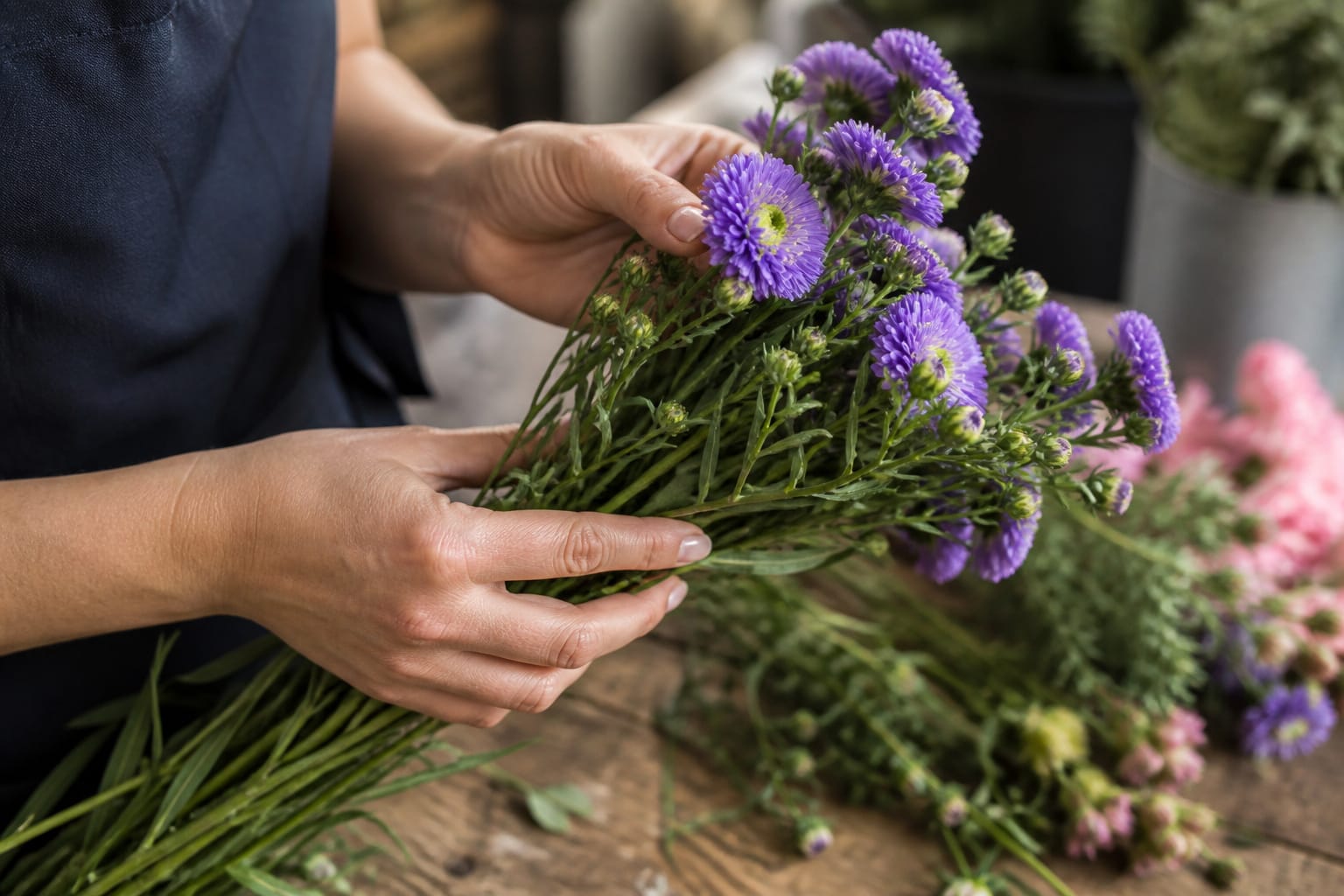
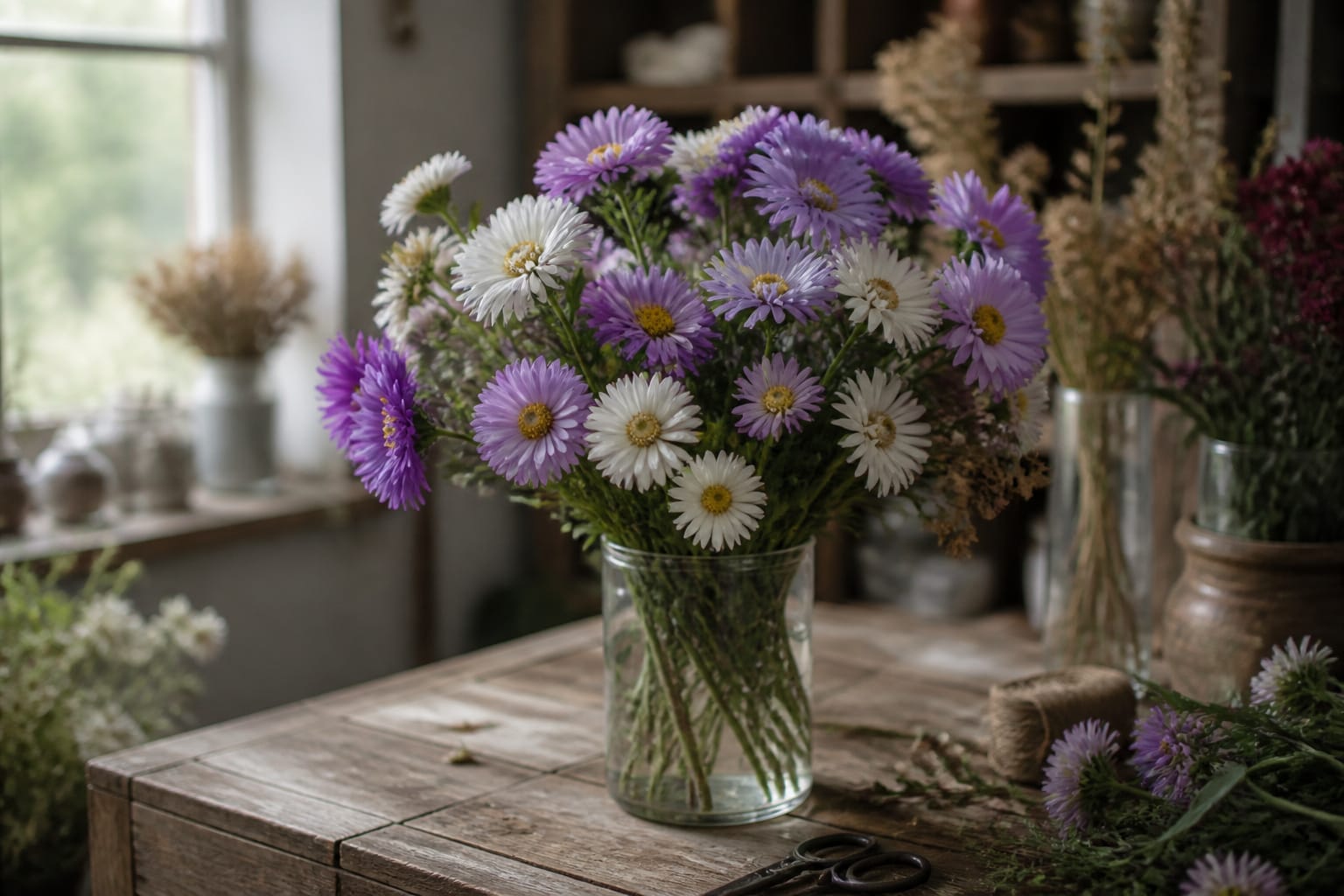
Asters don’t open much further once they’re cut, so buy them close to the stage you actually want. Look for blooms that are mostly open with tight, fresh-looking centers, not ones already dropping pollen.
Check the foliage too. Asters have a lot of small leaves along the stem, and any that look wilted or yellowed are a sign the bunch has been sitting too long without water. Firm stems and perky foliage are what you want walking out the door.
Products Worth Considering

FARM-FRESH ASTER FILLERS: Experience the grace of fresh cut flowers grown with care; each flower bouquet is hand-picked and brought straight from our farms to your home; please note: a signature will be required upon delivery to ensure your flowers arrive safely


FLEXIBLE DELIVERY OPTIONS: Enjoy convenient delivery Monday through Saturday. Perfect for last-minute gifts, our fresh bulk flowers can be delivered when you need them most, depending on your location and delivery service. Vase life is typically 6-12 days, ensuring lasting enjoyment.
Cut and Condition Every Stem the Same Way
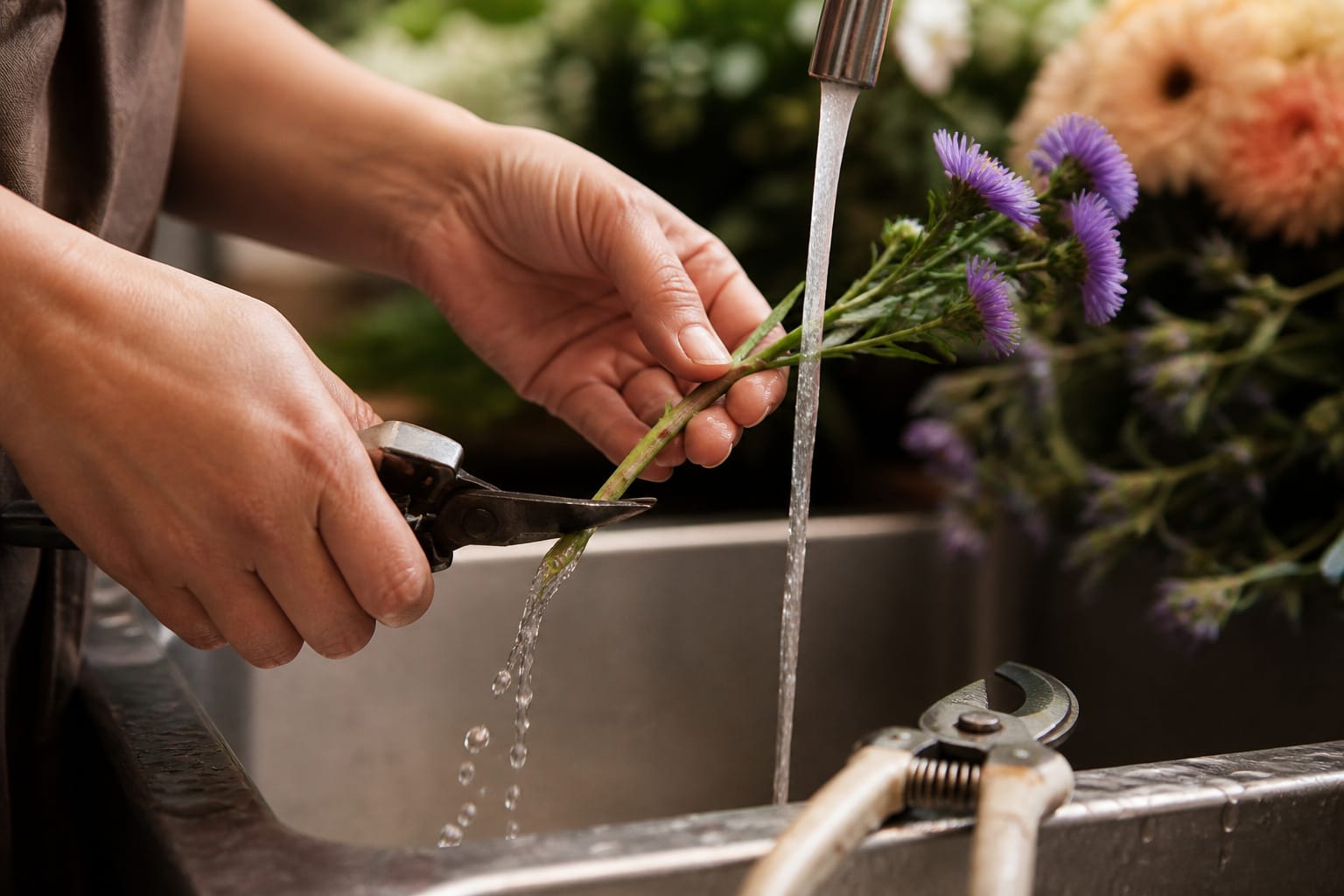
Recut each stem at a 45 degree angle, taking off at least half an inch. A fresh cut opens the vascular tissue back up, and the angle keeps the stem from sitting flat against the bottom of the vase and sealing itself off.
Strip every leaf that would end up below the waterline before the stems go in. This matters more with asters than with sturdier flowers, because their thin stems and dense foliage mean submerged leaves rot and cloud the water within a day or two if you skip this step.
What I use in the shop: a sharp pair of floral shears for the cut. A crushed stem end drinks poorly no matter how good the flower behind it is.
Place stems in warm water immediately after cutting, and let them condition for at least two hours before arranging, longer if you can manage it. Warm water moves up the stem faster than cold in those first hours, which matters for a flower with narrow stems to begin with.
Feed Them and Change the Water Often
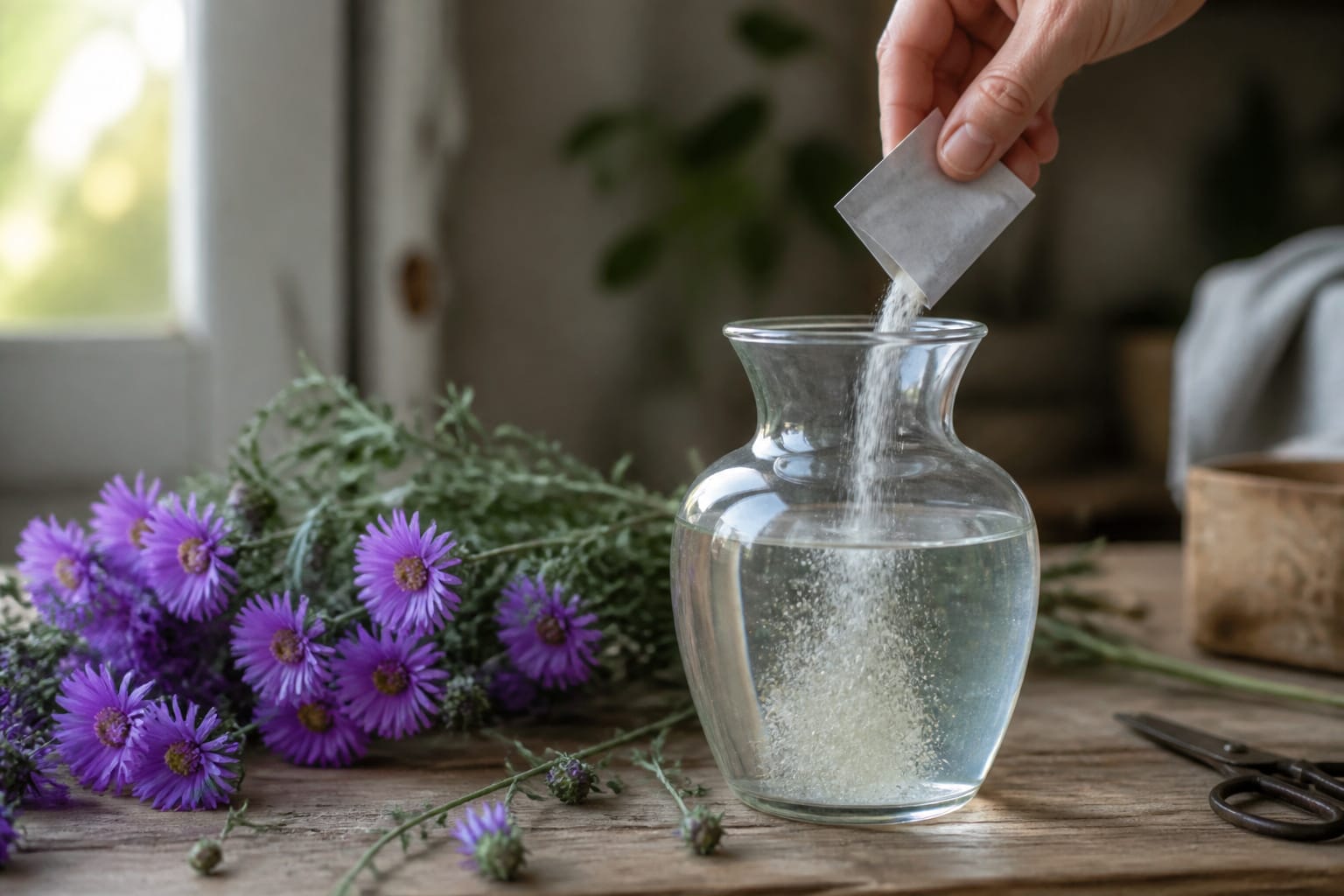
Flower food isn’t optional here. It feeds the bloom, lowers the water’s pH so the stem can take up water more easily, and keeps bacteria in check. Skip it and you’re cutting the vase life you’d otherwise get in half.
What I’d do: because aster stems are thin and their foliage is dense, I change the water on a bunch of asters every two days instead of stretching it to three like I would with mums. Their narrower stems foul the water faster, and by the time it looks cloudy, you’ve already lost some vase life.
What I use in the shop: a packet of flower food in every vase, mixed to the ratio on the package. Recut the stems each time you refresh the water. A fresh cut every couple of days does more for vase life than almost anything else on this list.
Products Worth Considering

FLOWER FOOD: Just like us, fresh-cut flowers need to eat!! Feed them the right nourishment and they stay fresh, vibrant, and looking fabulous.
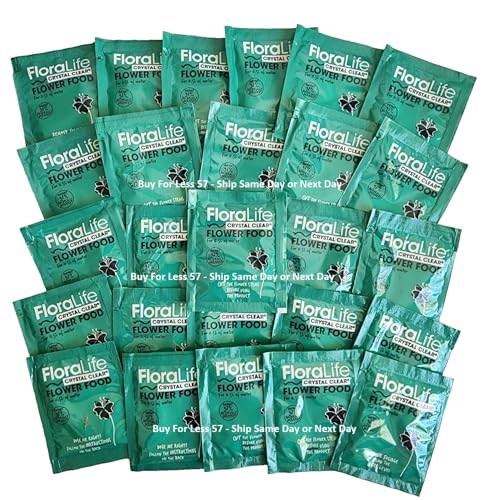
Floralife Flower Food 300 5gm
Give Them a Spot That Doesn’t Work Against Them
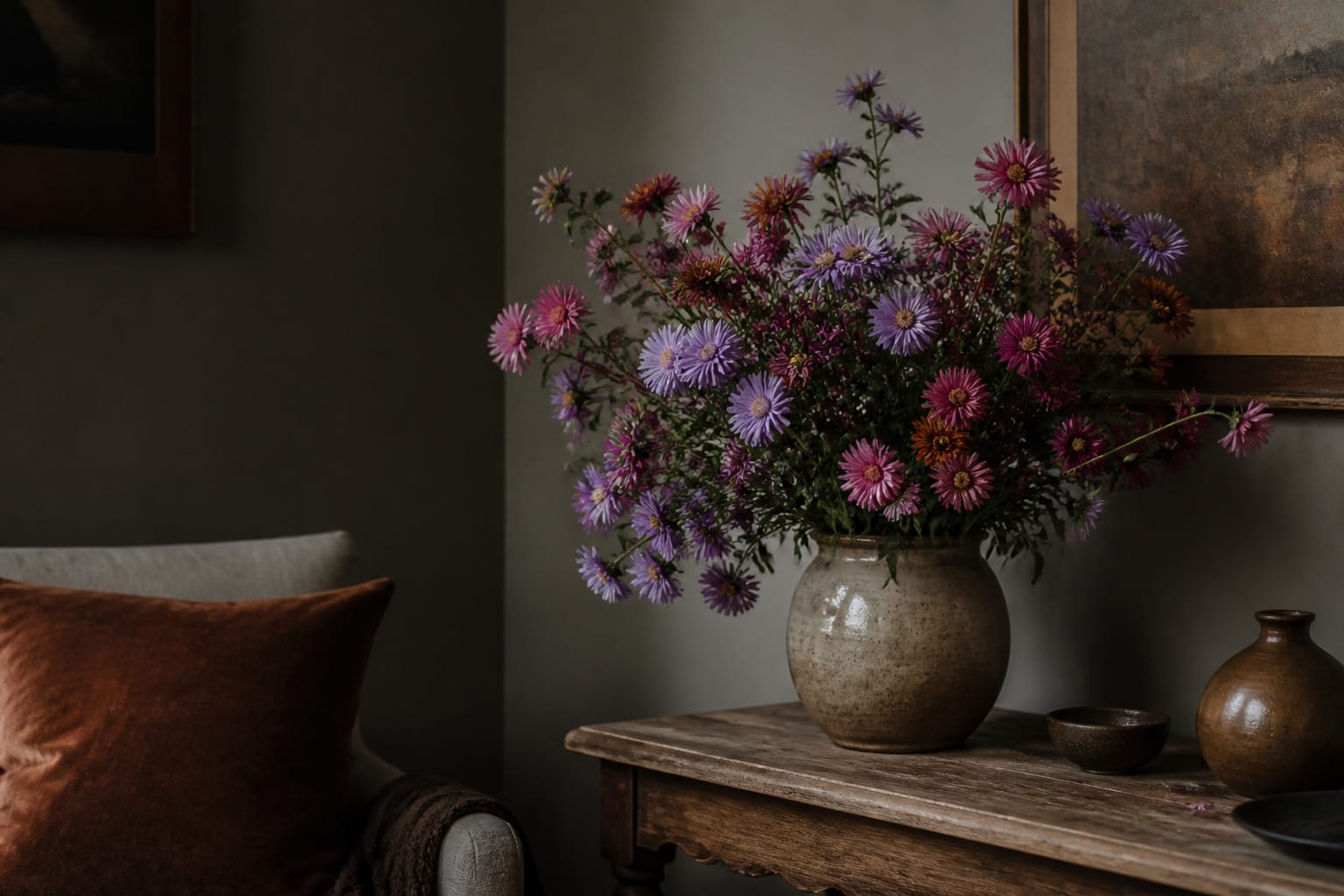
Keep asters out of direct sun and away from heating vents. Their small petals dry out and start curling at the edges faster than a heavier bloom would, so a hot, dry spot shows the damage sooner.
Keep them away from a fruit bowl too. Ripening fruit gives off ethylene gas, and ethylene speeds up petal drop across the board. A cool room out of direct light is the best seat in the house for a bunch of asters.
Products Worth Considering
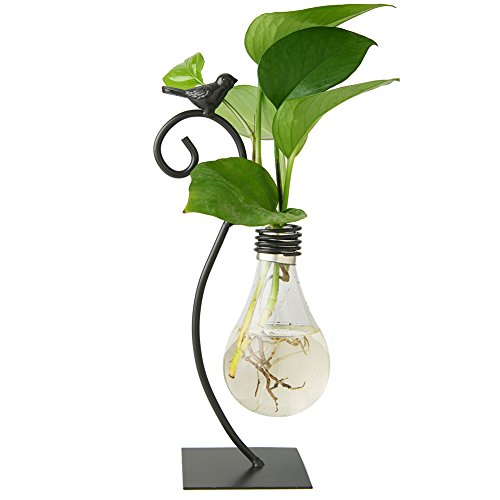
Artistically crafted from durable iron and clear glass with fine craftmanship.Plants and decoration are NOT included.

Effortless Beauty for Any Table or Shelf - Minimalist and modern design Modern nordic boho style decorative vases for living room large shelf, bookcase, Entrance table, sofa table, console table, fireplace or mantle. Of course, Your use it to display dried flowers, reeds, natural pampas grass, rabbit tails, or any kind of fresh flowers."Of course, you can also leave it without any flowers and use it as a home decorations."

Use Scene - Minimalist and modern design Conjoined Boho Style Decorations vases for living room large shelf, bookcase, Entrance table, sofa table, console table, fireplace or mantle. Of course, Your use it to display dried flowers, reeds, natural pampas grass, rabbit tails, or any kind of fresh flowers.
Common Mistakes That Cut Their Vase Life Short
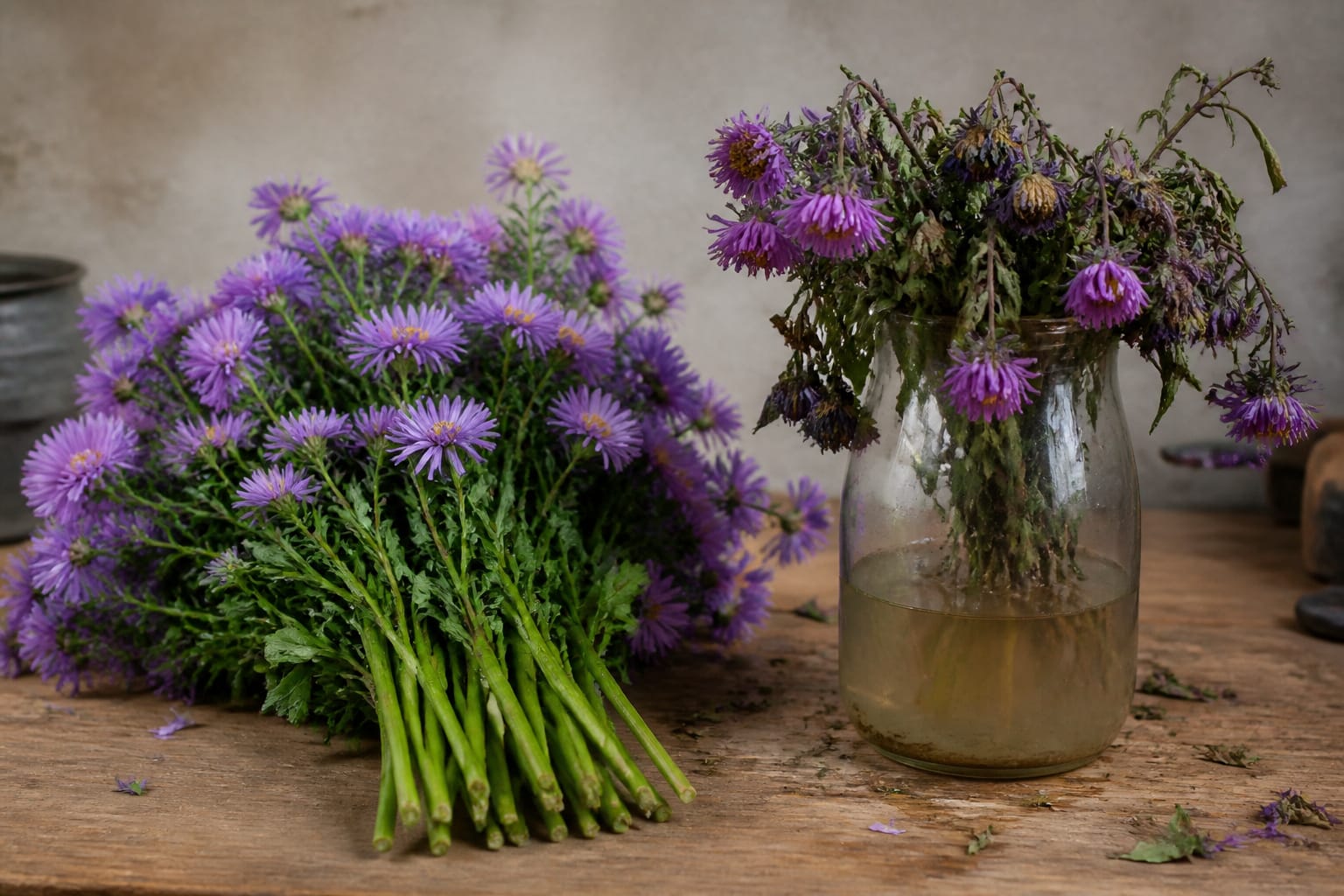
- Leaving foliage below the waterline. Asters have more leaves per stem than most fall flowers, and submerged leaves rot fast.
- Topping off cloudy water instead of changing it. Bacteria are already in there. Dilution doesn’t fix that.
- Buying blooms that are already dropping pollen. That’s an aster telling you it’s past its peak, not near the start of it.
- Mixing them into a vase with daffodils. Fresh-cut daffodil stems release a sap that shortens vase life for other flowers sharing the water. If you’re using daffodils, condition them separately first.
Fix those and asters will hold their own next to any showier flower in the arrangement.
Frequently Asked Questions
How long do cut asters typically last?
With good conditioning and regular water changes, expect seven to ten days. Skip the water changes and that number drops fast, closer to four or five days.
Do asters keep opening after they’re cut?
Not much. Buy them close to the stage of openness you want in the finished arrangement rather than counting on buds to open further in the vase.
Why does the water go cloudy so fast with asters?
Their dense foliage and thin stems mean any leaves left below the waterline break down quickly. Strip foliage thoroughly before conditioning, and change the water every two days rather than every three.
Are asters toxic to pets?
Asters are generally considered mildly toxic to cats and dogs if chewed on, and can cause stomach upset. If you have a pet that likes to sample the centerpiece, keep the arrangement somewhere they can’t reach.
Closing Thoughts
Asters don’t ask for much. A clean cut, fresh water and food, and a cool spot out of direct light will get you a solid week and a half out of a bunch that costs less than almost anything else in the cooler this time of year.
Tell me in the comments: do you use asters as a main flower in your fall arrangements, or mostly as filler around something bigger?
Give the small blooms the same care you’d give the showy ones, and they’ll outlast most of what’s sharing the vase with them.
Til next time,