Disclosure: This post may contain affiliate links. If you click and buy, we may earn a commission at no extra cost to you. As an Amazon Associate, we earn from qualifying purchases.
Last Updated: July 2026
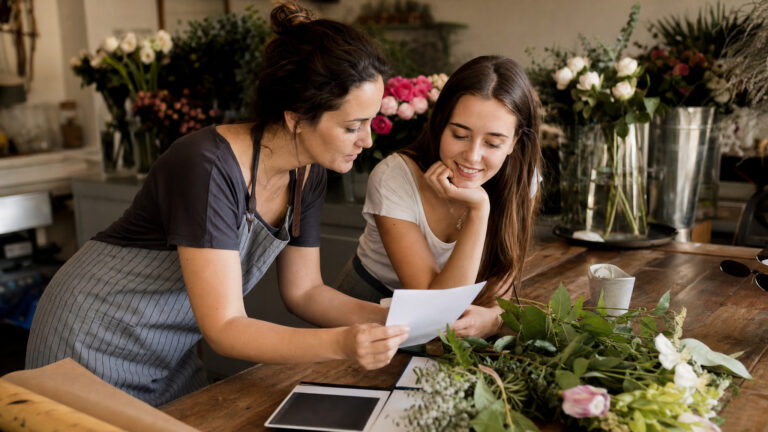
A bride came into the shop a few months back with a tape measure, a Pinterest board, and one question: could she just do her own wedding flowers and skip a florist altogether?
I get some version of that question every wedding season. According to The Knot’s ongoing survey of real weddings, couples spend close to $2,800 on flowers on average, and that number is enough to make anyone start pricing out floral shears on Amazon.
While I never discourage anyone from doing their own wedding flowers, I don’t sugarcoat it either. Here’s what I tell every bride who asks.
Know What You’re Signing Up For
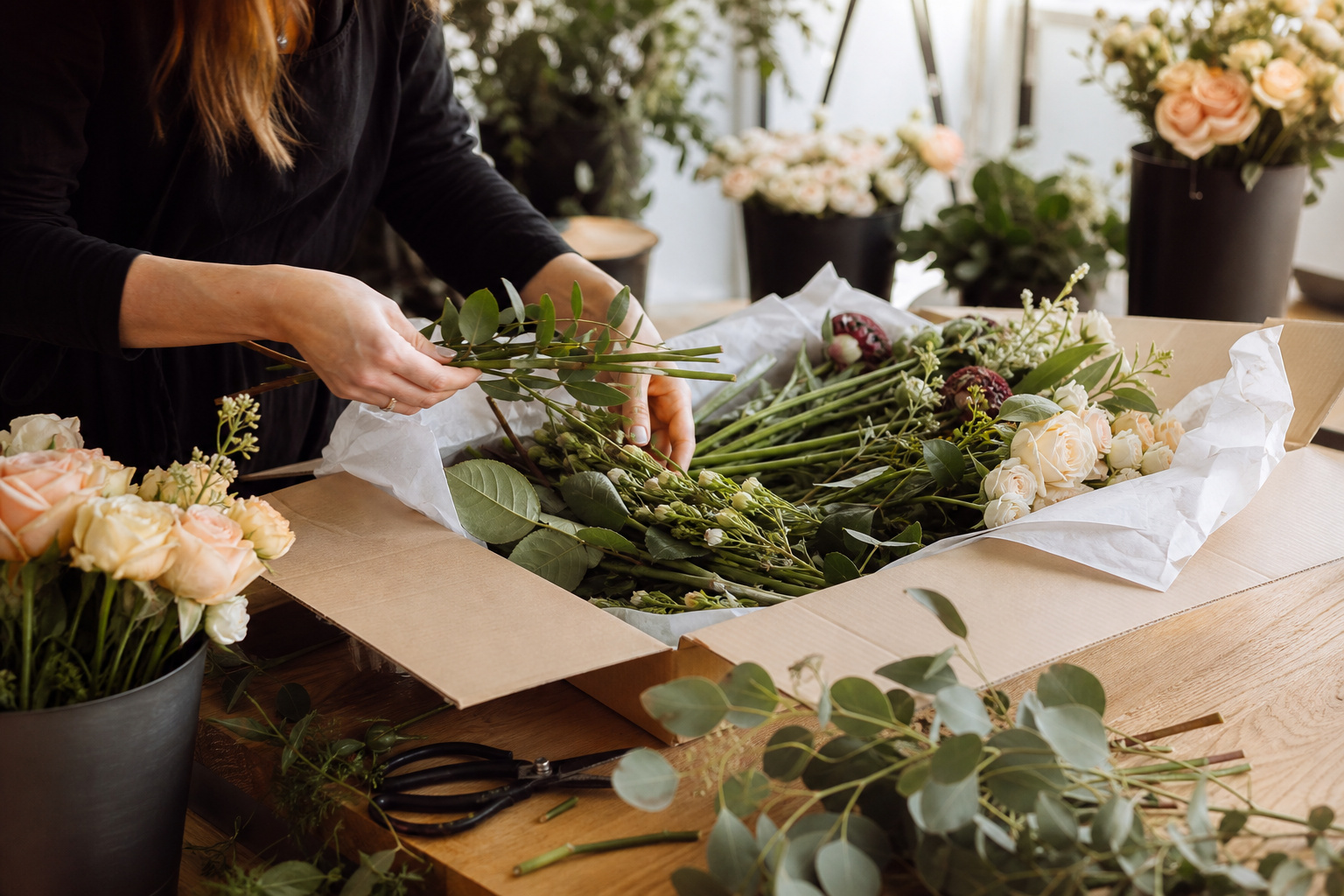
Once your flowers arrive on your doorstep, you’re responsible for processing every single stem. After your designs are finished, you’re also responsible for storing, transporting, and setting up your floral decor.
Family and friends can help. But be prepared to do most of it yourself. And if something goes sideways the morning of, there’s no shop to call.
If that sounds like more than you bargained for, DIY isn’t your best option. Nothing wrong with that. Plenty of my brides land there and hire it out.
If you’re still in, keep reading.
Give Yourself More Time Than You Think You Need
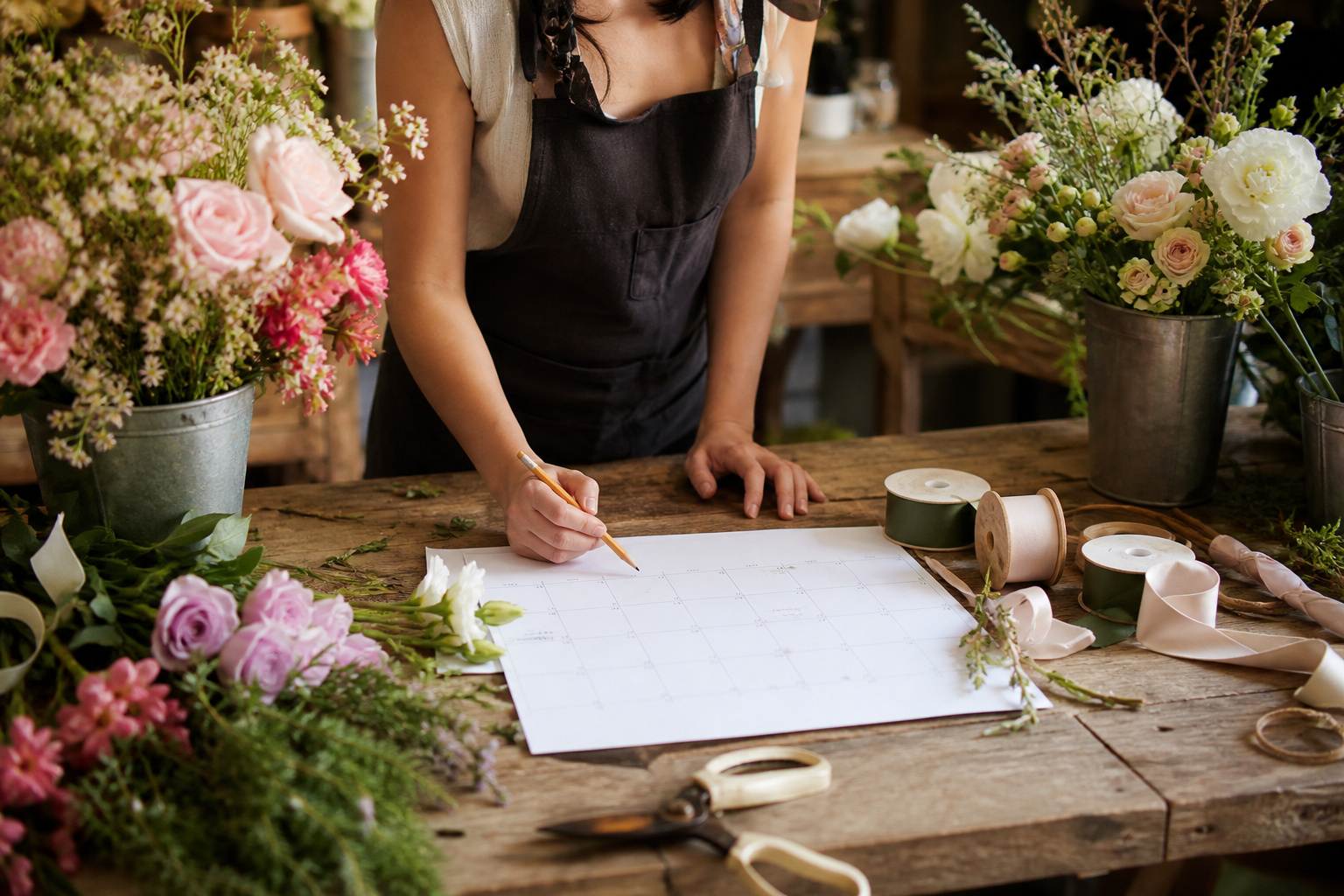
It takes longer than you’d guess to get bouquets, corsages, boutonnieres, centerpieces, and floral decor ready for the big day. That’s been my experience more often than not.
In my shop, we build in a full extra day of buffer for any wedding order, even the small ones. I’d tell a DIY bride the same thing: whatever timeline you’ve sketched out, add a day.
Flowers don’t care about your schedule. Shipping delays happen. So does a bloom opening faster than expected. Give yourself room to fix problems, not just enough time to hope nothing goes wrong.
Practice Before the Big Day
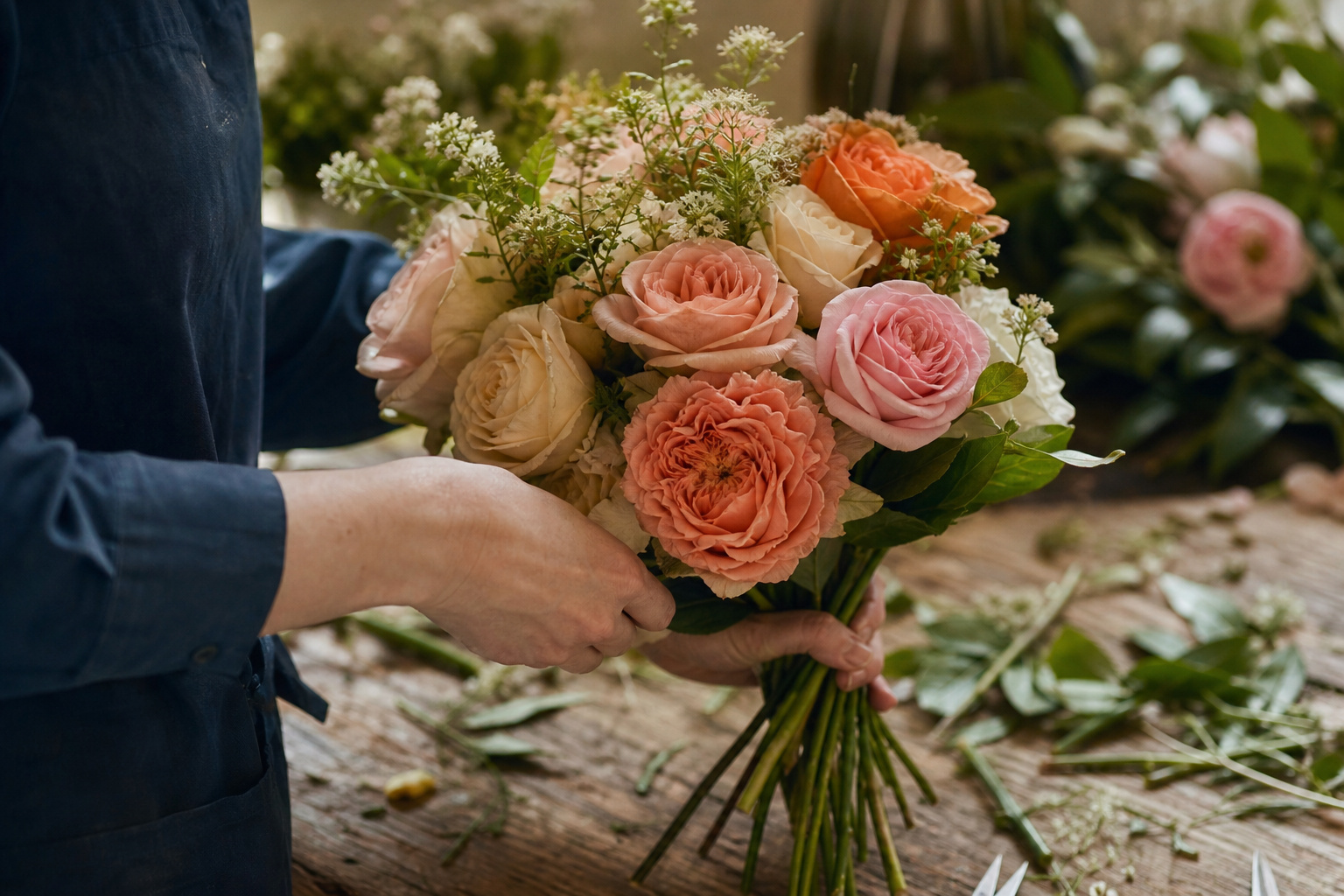
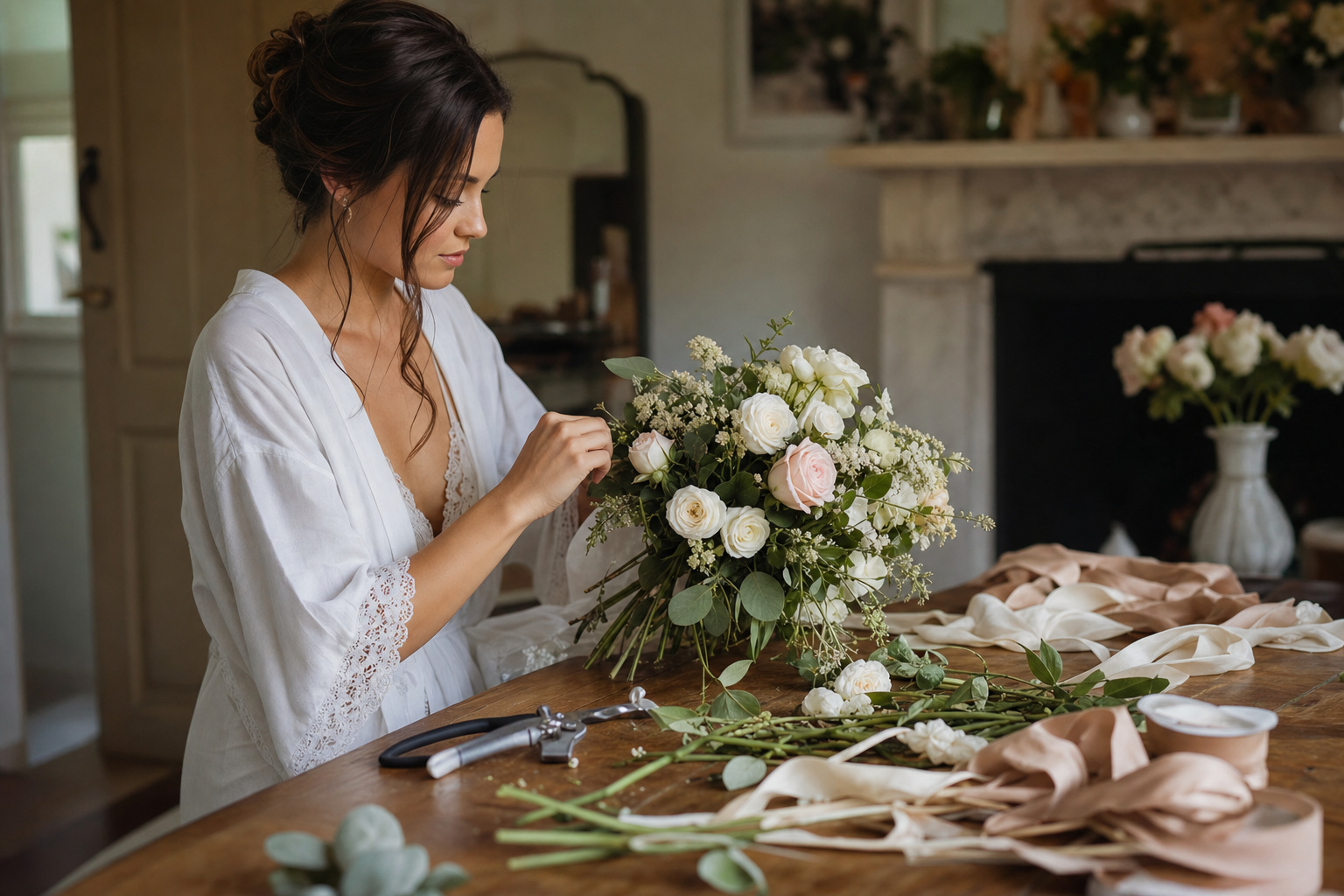
When you start dreaming about a beautiful bridal bouquet, remember it takes practice and patience to design what you’re picturing.
No matter how much effort you put in, you won’t hit perfection on every arrangement. Mine aren’t perfect either. So don’t overthink it. Have fun with it.
Nothing beats hands-on experience. Plan to invest some time and a little money in a couple of sample bouquets before the real thing. A garden rose wedding bouquet is a good one to practice on, since it teaches you spacing and stem control without a lot of wiring.
Watching a florist do it in a video is a different animal from doing it yourself. Do a practice run early, so you find out if you’re in over your head before you’re working with the flowers you paid full price for.
Check Your Venue’s Rules First
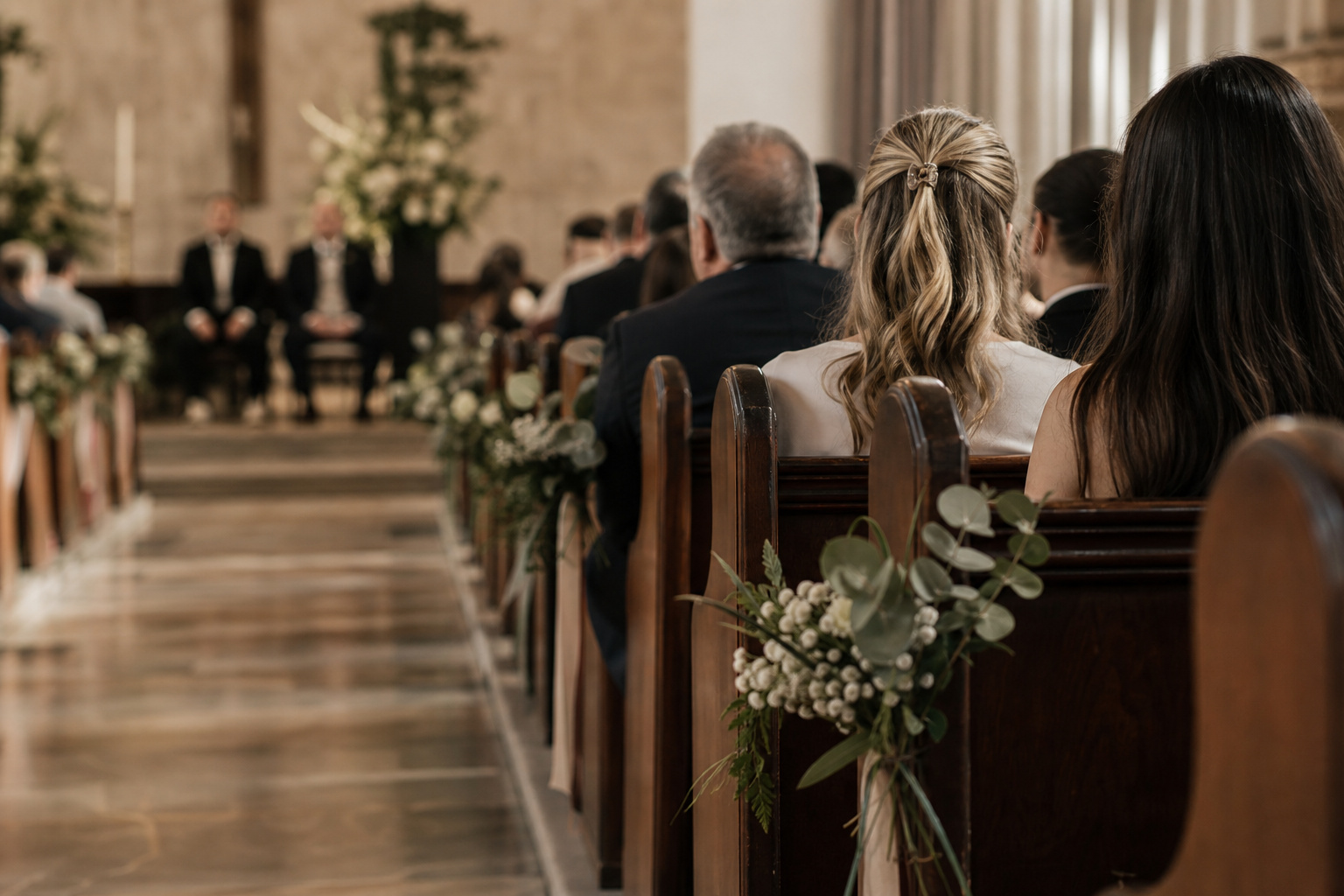
Most DIYers stick to simple bouquets and floral decor for the ceremony and reception. Before you plan any of it, find out what your venue actually allows.
Plenty of churches and reception halls won’t let you use tape or adhesive to fasten decor, since it can damage the surface finish when it’s pulled off. That’s a detail you want to know weeks ahead, not the morning of.
Every venue sets its own rules on flowers and decor. Get them in writing before you buy a single stem.
Build In a Backup Plan
The biggest headache is usually getting bouquets and arrangements to the venue in one piece. It’s a challenge no matter how big or small the wedding is.
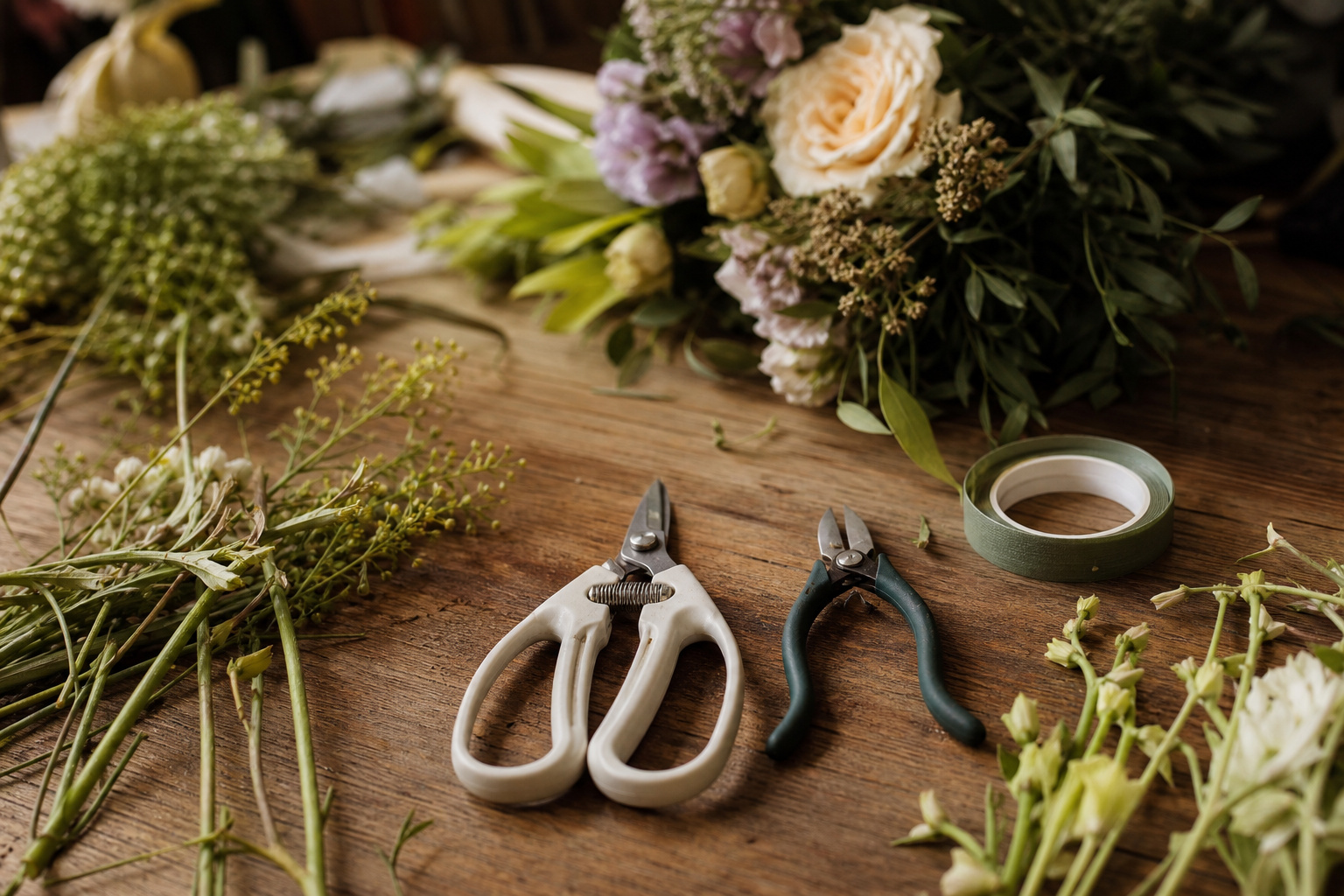
Gather your tools and supplies ahead of time so you’re not hunting for something once you get there. In the shop, we keep a basic flower kit stocked in every delivery vehicle for exactly this reason.
What I use in the shop: a good pair of floral shears. Dull scissors crush stems instead of cutting them cleanly, and a crushed stem won’t take up water. Worth the extra few dollars over craft scissors.
We also carry extra blooms, in case something gets damaged or we need a quick fix. Pack a few more stems than your count calls for. The saying goes, “fail to plan, plan to fail,” and it’s true here.
Where DIY Actually Saves You Money
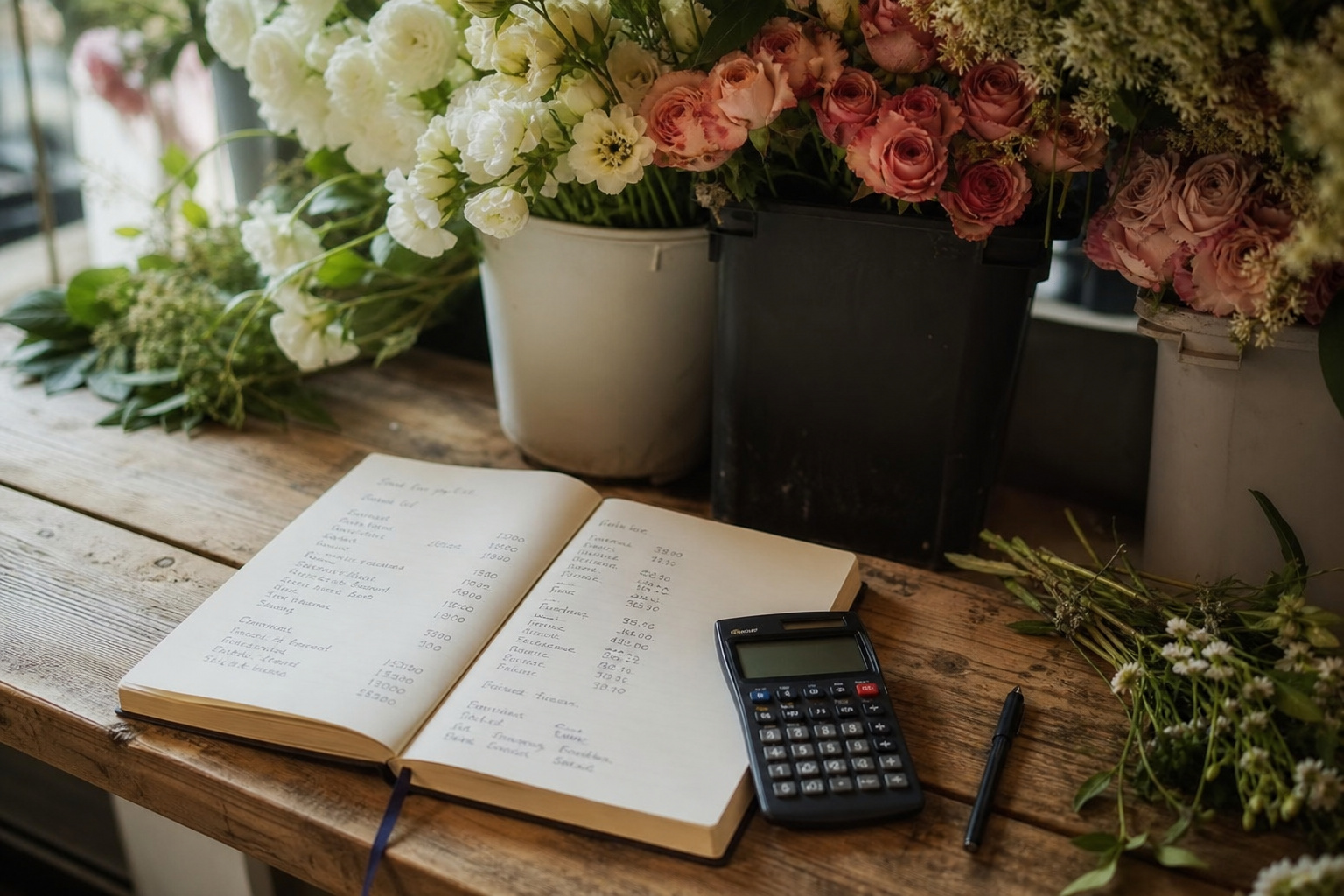
In my experience, brides who DIY can save meaningfully off a full-service florist’s quote, mainly because you’re cutting out design labor, not just the cost of the stems themselves.
That’s also where the trade-off lives. You’re not paying for labor anymore. You’re supplying it yourself, on top of everything else on your plate that week.
If the number a florist quoted you feels out of reach, DIY isn’t the only lever. Have a look at Lower Wedding Flower Costs With These 5 Proven Strategies before you decide.
A hybrid approach works, too. Plenty of couples buy their personal flowers from a florist and handle centerpieces themselves, or the other way around. If you go that route, here’s what to look for when choosing a florist for the pieces you don’t want to gamble on.
My Honest Take: Is DIY Worth It?
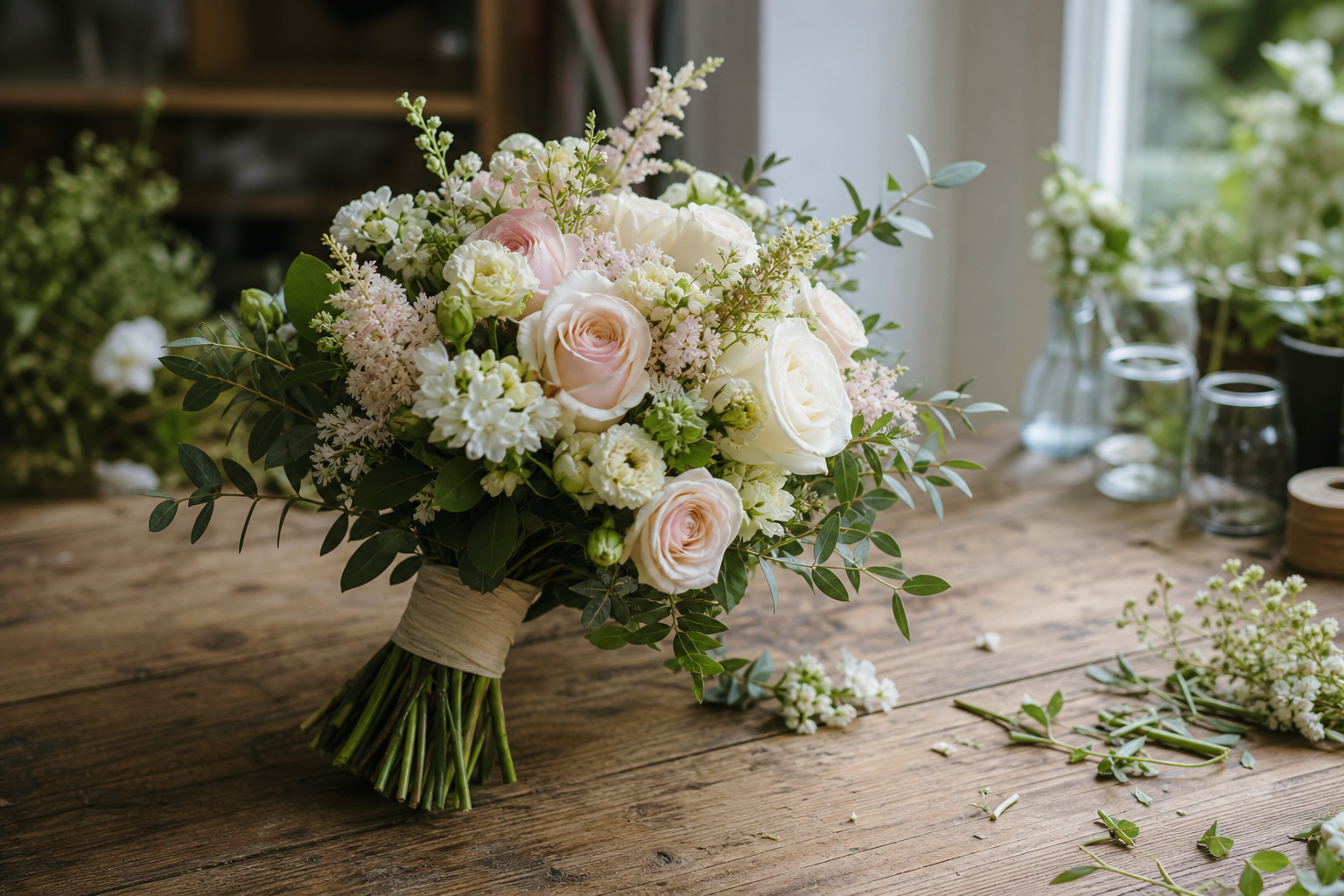
There’s no hard and fast rule here. The decision comes down to your budget, your timeline, and how much you actually enjoy this kind of work.
It’s less expensive to DIY than to hire it out. But it’s still a trade of time for money, and only you know which one you have less of right now.
If you decide to do it yourself, work through a proper wedding flower checklist so nothing slips through the cracks, and you’ll come out the other side with flowers you’re proud of and a story to tell.
Frequently Asked Questions
How far in advance should I order flowers for a DIY wedding?
Place your order 3 to 4 weeks out. That gives you a cushion for shipping delays while keeping the flowers at peak freshness for your date. Order about 10% extra to cover damaged blooms or practice arrangements.
What are the easiest flowers to work with for DIY arrangements?
Roses, carnations, and chrysanthemums are the most forgiving for beginners. They hold up to handling, stay fresh for days, and cost less than delicate flowers like orchids or lily of the valley.
How long does it take to make a DIY bridal bouquet?
Plan on 45 to 60 minutes for a beginner, once you include stem prep, arranging, and finishing with tape and ribbon. Build in extra time for a practice round before the real one.
What’s the best way to store DIY wedding flowers before the big day?
Keep them cool, between 40 and 50°F, away from direct sun and drafts. Use clean water with flower food and strip any foliage below the waterline. Most flowers hold up best when stored no more than 2 to 3 days before the wedding.
Do I need special tools to do my own wedding flowers?
A few, yes. Floral shears, wire cutters, and floral tape cover most of it. None of it is expensive, but skipping it usually costs you more time and more ruined stems in the long run.
Can I mix DIY with a professional florist?
You can, and I’d argue it’s the smartest option for a lot of couples. Hire a florist for the pieces you can’t afford to get wrong, like the bridal bouquet, and DIY the rest.
Closing Thoughts
DIY wedding flowers aren’t for everyone, but they’re not reckless either. Go in with your eyes open, give yourself more time than feels necessary, and you’ll come out the other side with something that bloomed exactly the way you planned it to.
I’m curious where you land on the time-versus-money trade-off. Are you DIYing your own flowers, or handing them off? Tell me in the comments. I read each one.
Til next time,