Disclosure: This post may contain affiliate links. If you click and buy, we may earn a commission at no extra cost to you. As an Amazon Associate, we earn from qualifying purchases.
Last Updated: June 2026
A couple came into the shop a few years back, visibly stressed, asking if I could do their wedding flowers in eight weeks. Eight weeks. Most florists quote a six-month minimum. I told them yes, we could make it work, and we did. The flowers were beautiful. The wedding happened. Nobody melted.
That conversation stuck with me, because there’s a lot of noise out there telling couples they need a year or more to plan a wedding. And while that’s true for some, it’s not true for all. I’ve seen it done in three months. I’ve seen it done in less.
So if you’re reading this because you’re behind on the timeline everyone told you to follow, take a breath. Here’s what actually matters when you’re planning a wedding in a hurry.
Understand What’s Actually at Stake With a Short Timeline
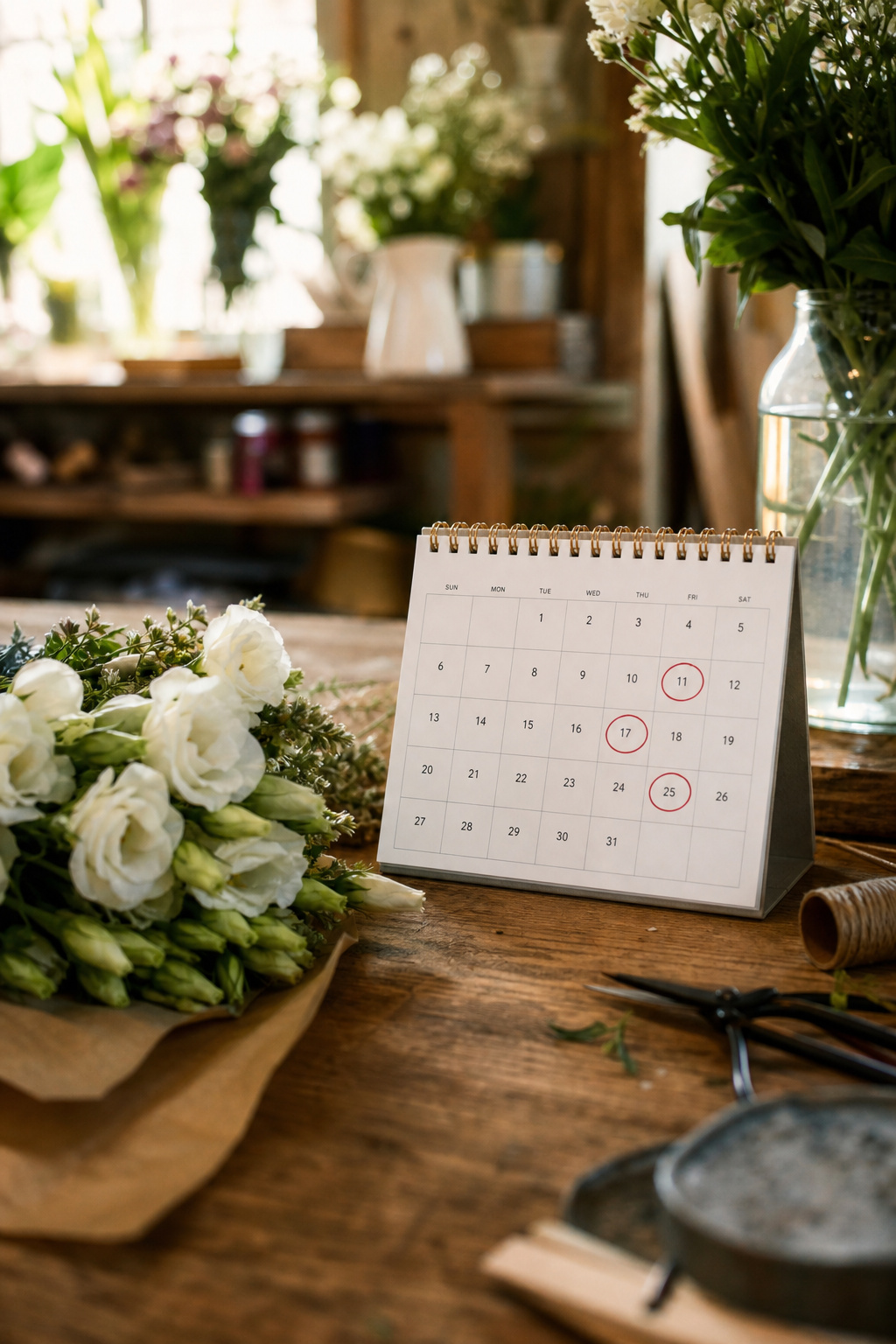
Nearly 25% of couples plan their weddings in six months or less. That’s not a small number. The 12-to-18-month timeline that gets thrown around on wedding blogs assumes a large, elaborate event, big venue, custom florals, destination travel, and a hundred moving parts. A lot of weddings don’t look like that.
What changes on a short timeline isn’t whether you can have a beautiful wedding. What changes is how much flexibility you have. Popular venues book out. Some vendors aren’t available on short notice. Flowers that would have been pre-ordered six months ahead may need to come from what’s available at the market that week.
None of that is fatal. It just means you make different choices. The couples I’ve seen do this well were decisive. They didn’t agonize over options that weren’t available. They moved on and found something that worked. That mindset is the biggest factor.
Lock In Your Venue and Date First — Everything Else Follows
I’m a florist, so you might expect me to say “call your florist first.” I won’t say that. Call your venue first.
The venue determines nearly every other decision, the size of your arrangements, the installation window, how many centerpieces you need, and whether you can use candles. From my side of the counter, I can’t give you a realistic quote until I know where we’re working. Venue first, florist second.
The other thing the venue gives you is a date. Once that’s locked, everything else has a deadline. Decisions that felt optional suddenly become urgent. That’s actually useful. Urgency makes people move.
If your first-choice venue isn’t available, don’t spiral. Smaller venues, parks, restaurants with private event spaces, or even someone’s property are all options that often have more flexibility on short notice. The wedding isn’t the venue, it’s the people in it.
Build Your Vendor List Around Availability, Not Preference
This is where a short timeline requires a real mindset shift. On a 12-month plan, you have the luxury of interviewing five photographers and three florists before deciding. On a three-month plan, you’re working with who’s actually available on your date.
That’s not necessarily a bad thing. Some excellent vendors, photographers, officiants, and florists have openings because other couples canceled, or because they simply don’t book as far out. You can find real talent in those gaps.
What I’d do: start with your non-negotiables. If the photographer matters most, chase that first. If the flowers are the thing you care about most, call florists before you do anything else. Rank your priorities and work the list in that order. You can be flexible on the things that matter less. Don’t be flexible on the things that matter most.
And when you find available vendors, move fast. Don’t sit on a contract for a week while you decide. On a short timeline, hesitation costs you the vendor.
Keep the Flower Plan Simple and Seasonal
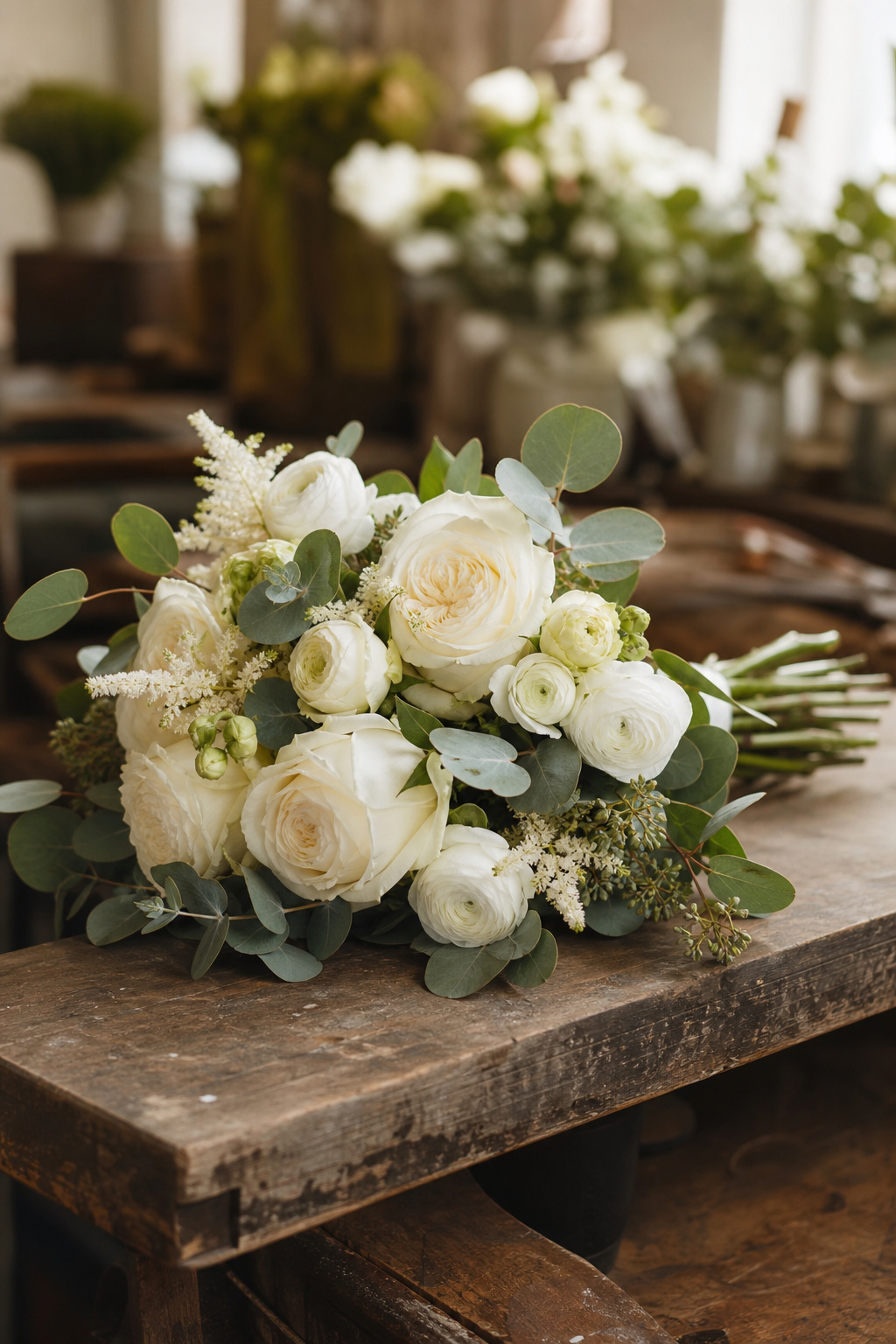
Three months is not a lot of lead time for custom floral orders. Some specialty flowers like peonies out of season, particular rose varieties, and imported blooms need to be pre-ordered weeks ahead. On a compressed timeline, that window shrinks fast.
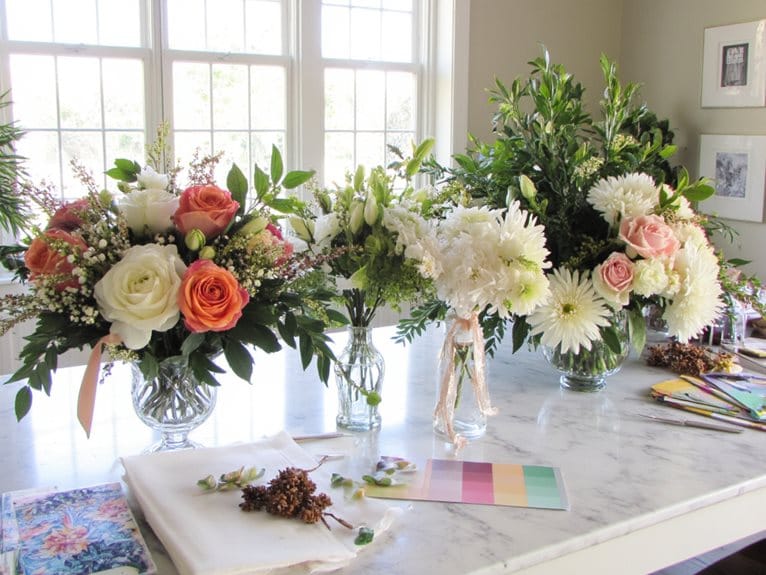
What I tell couples in this situation: work with what’s in season. Seasonal flowers are available, they’re fresh, and they’re almost always less expensive than specialty imports. A bouquet built around what’s beautiful at market right now will look just as good as one built around a specific variety that had to be flown in from Europe.
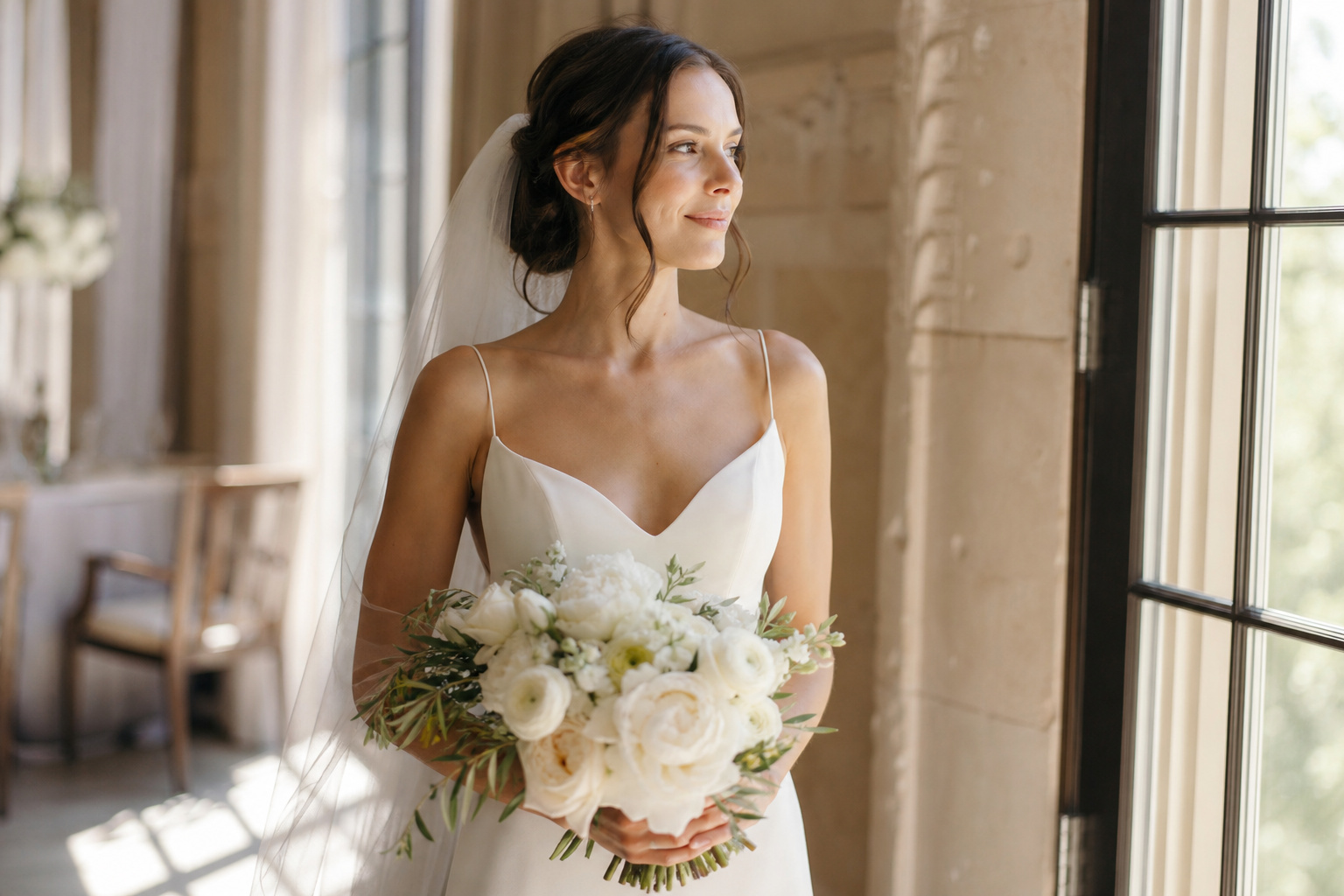
Simplify the design, too. A tight bridal bouquet, a few centerpieces, some ceremony flowers — that’s a complete wedding. You don’t need a floral installation on every surface. The flowers that are there will have more impact if they’re not competing with twenty other things.
If you’re doing your own flowers, this is even more true. Processing your flowers correctly before you start arranging will do more for how they look than the specific variety you choose. Fresh, well-conditioned flowers beat expensive, stressed ones every time.
Know Your Budget Maximum Before You Start Calling Anyone
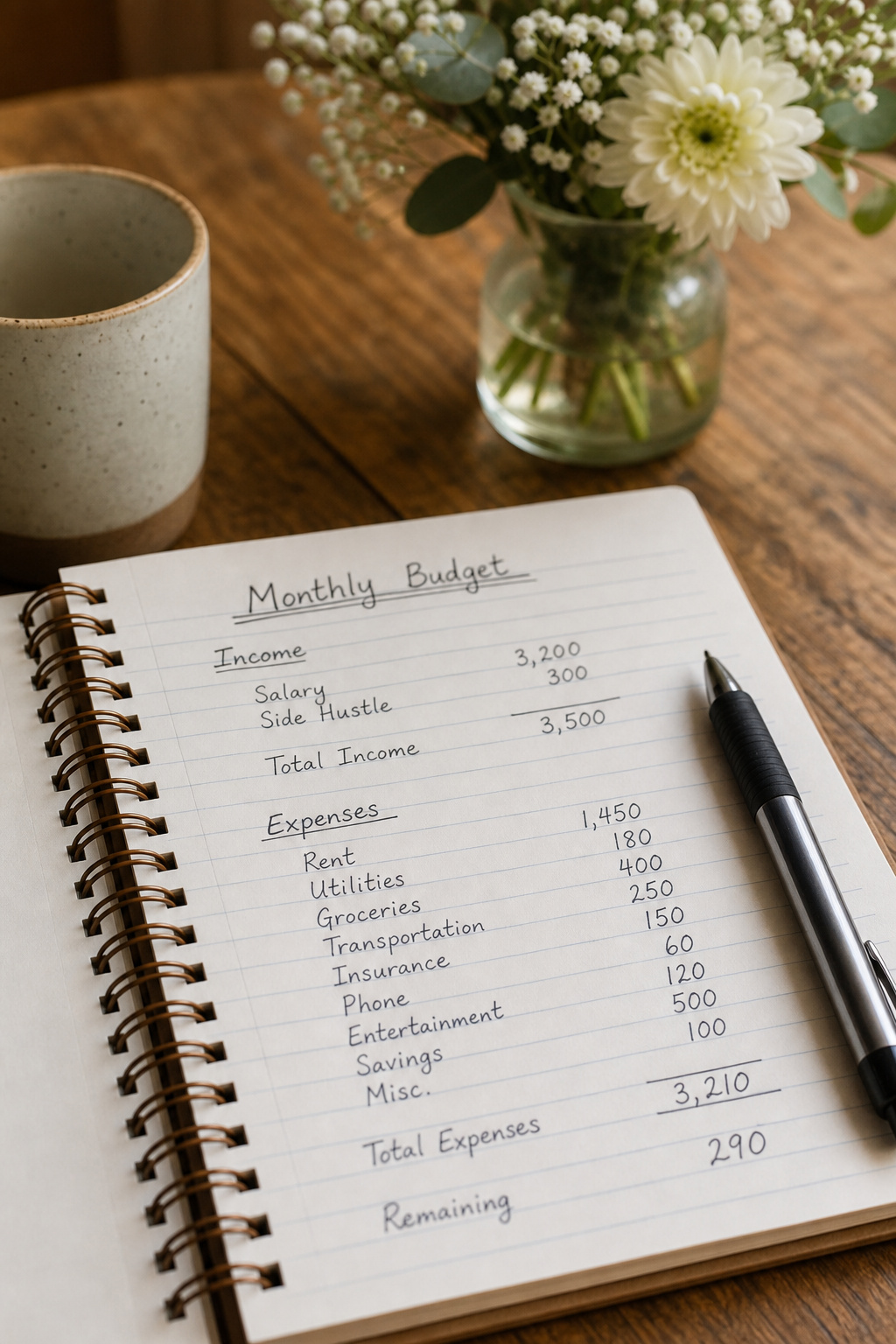
Vendors need a number to work with. Not a range, a maximum. If you tell a florist “somewhere between $500 and $2,000,” they don’t know where to start. If you say “my hard ceiling is $1,200,” they can tell you immediately what’s possible at that number.
Be realistic about what wedding services cost. Labor, transportation, installation, and the perishable nature of the product all add up faster than couples expect. The flowers themselves are often a smaller part of the invoice than people assume. If your first few quotes come in higher than you expected, that’s normal. Ask what can be simplified rather than walking away.
If the budget is tight, our Wedding Cost Estimator pulls local spend data by zip code with no sign-up required. It’s a fast way to calibrate your expectations before you start making calls.
Watch the Wedding Planning Video That Gets It Right

This video is one of the better practical guides I’ve come across for short-timeline wedding planning. It covers the sequencing well. What to do first, what can wait, and how to stay organized when everything feels like it’s happening at once. Watch it and see if any of it lines up with where you are right now.
Use the Right Tools and Don’t Overcomplicate the Process

A three-month wedding doesn’t need an elaborate system. It needs a short list of decisions, a calendar, and someone to actually make those decisions. Spreadsheets, apps, binders, use whatever keeps you moving. The tool doesn’t matter. The decisions do.
If you’re looking for something structured, there are some good wedding planning tools that pull together budgets, timelines, and vendor contact lists in one place. Worth a look if you’re the type who functions better with a system in front of you.
The couples I’ve seen pull off a three-month wedding successfully weren’t superhuman planners. They were just willing to make decisions quickly and not second-guess them. That’s the whole thing.
Don’t Forget the Details That Sneak Up on You
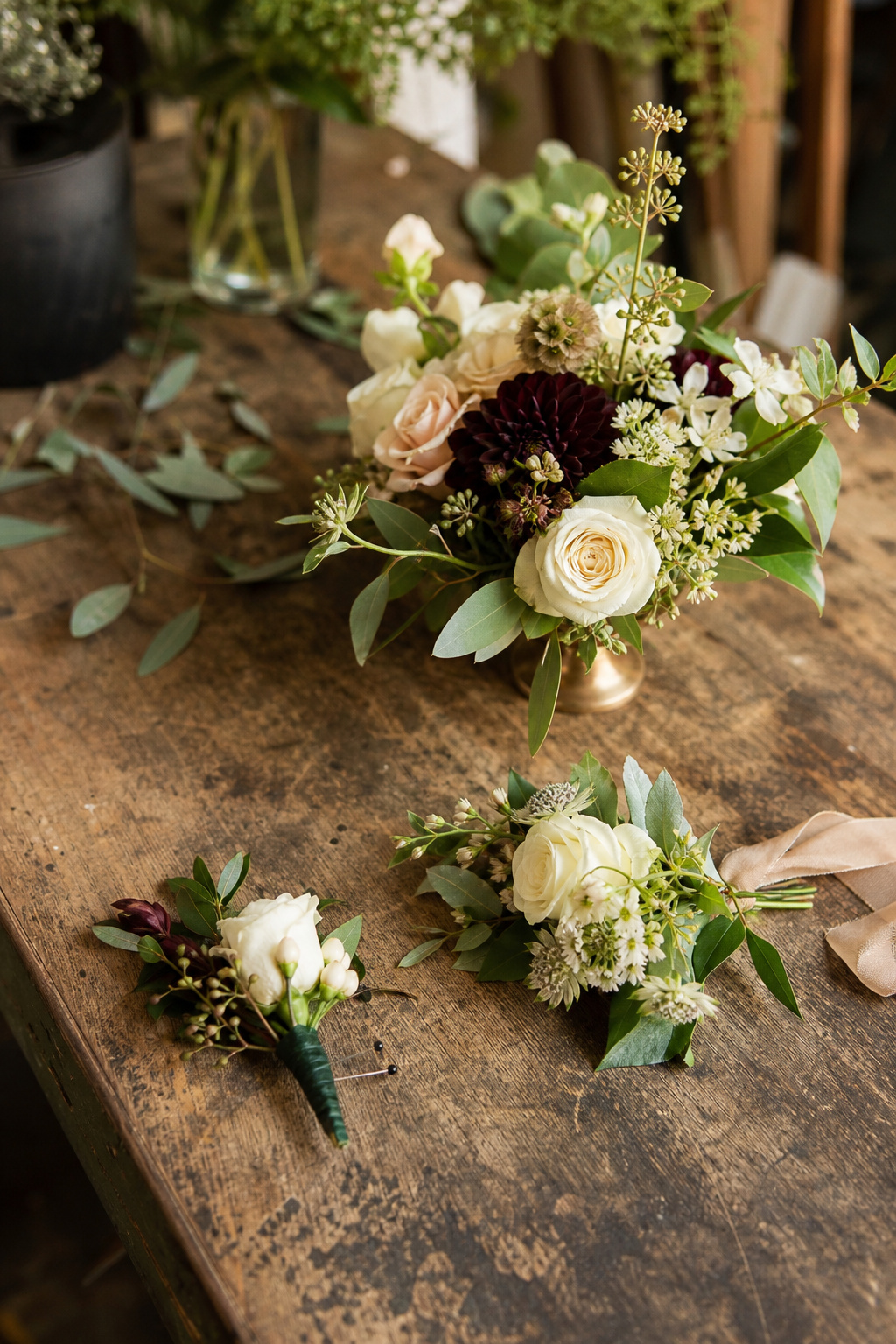
On a short timeline, it’s easy to focus on the big vendors and forget about the small touches until the last minute. Flowers for the welcome table. A small arrangement for the escort card display. Corsages and boutonnieres for family members. These things seem minor until you realize you didn’t plan for them and your florist is already fully booked for your date.
Walk through the venue in your head, or literally, if you can, and write down every spot where you want flowers. Do it early. Add those items to your florist conversation before the contract is signed, not the week before the wedding.
The same goes for your personal flowers. Bouquets for the bridal party, boutonnieres, flower crowns, if that’s your style, all of it needs to be in order. A good florist will ask, but don’t wait to be asked. Come with a complete list.
Frequently Asked Questions
Is three months really enough time to plan a wedding?
For a smaller, focused event, yes. The timeline works if you’re willing to make quick decisions and stay flexible on details. Large, elaborate weddings with custom venues and specialty vendors are harder to pull off in three months, but it’s not impossible even then.
What’s the first thing I should do when planning a wedding quickly?
Lock in your venue and date. Every other vendor decision flows from those two things. Until you have a date, no one else can confirm availability.
Can I still get good wedding flowers on a short timeline?
Yes. Work with seasonal flowers and keep the design simple. A florist who’s available on your date will work with what’s fresh at the market. That’s usually a better outcome than over-engineered floral plans anyway.
How do I find vendors on short notice?
Ask directly. Call photographers, florists, and caterers and tell them your date. Many have cancellations or simply don’t require long lead times. Good vendors have openings more often than people assume.
Should I hire a wedding planner for a short-timeline wedding?
If your budget allows it, a day-of coordinator at a minimum is worth it. You’ll have enough on your plate. Having one person whose job is to manage logistics on the day itself takes a lot of pressure off.
What’s the biggest mistake couples make when planning a wedding quickly?
Waiting to make decisions. On a three-month timeline, hesitation is the enemy. When a vendor is available and fits your needs, move forward. The couples who struggle are the ones who keep shopping after they’ve already found something that works.
Closing Thoughts
Three months sounds short until you actually break down what needs to happen. Venue, flowers, officiant, photographer, food, when you list it out, it’s a finite number of decisions. Make them one at a time, in the right order, and the calendar fills up faster than you’d expect.
From my side of the design bench, the couples who’ve done this in a hurry aren’t always the ones with the most time. They’re the ones who know what they want and move toward it. That’s really the whole formula.
If you’ve been through a short-timeline wedding, as the couple, a vendor, or someone who helped make it happen, I’d love to hear how it went. Drop a comment below and tell me what you’d do differently.
Til next time,