Disclosure: This post may contain affiliate links. If you click and buy, we may earn a commission at no extra cost to you. As an Amazon Associate, we earn from qualifying purchases.
Last Updated: October 2026
Every few months, someone stops at my counter and tells me they’d love to start doing flowers from home. Usually it’s a friend whose arrangements get compliments at every party, or the cousin who ended up doing the flowers for the whole wedding.
Then comes the real question. Can you actually make money doing this from your kitchen table?
You can, but the people who last treat it like a business from day one, not a hobby with a price tag. Here are the steps in the order I’d tackle them, from the plan to the paperwork nobody warns you about.
Write a Plan You Can Actually Follow

A business plan sounds stuffy, but it’s really a short answer to three questions. Who are you selling to, what are you selling them, and what does it cost you to deliver it?
Start with your target market. Weddings, events, sympathy work, office arrangements, and workshops take different skills and different prices.
If you’re considering a home-based start, you’ll find this video a useful companion to this section. Watch it, and see if you agree.
Next, add the numbers. List your start-up costs, estimate what each arrangement costs you to make, and set a monthly income goal you can test against reality.
Run those numbers for a slow month, not just a busy one. A plan that only works in June isn’t a plan.
Market research can be simple. Visit local shops, note what they sell and what they charge, and look for what’s missing.
Then keep the plan alive. Revisit it every few months, because your prices, suppliers, and goals will change.
Build Your Skills Before You Take Orders
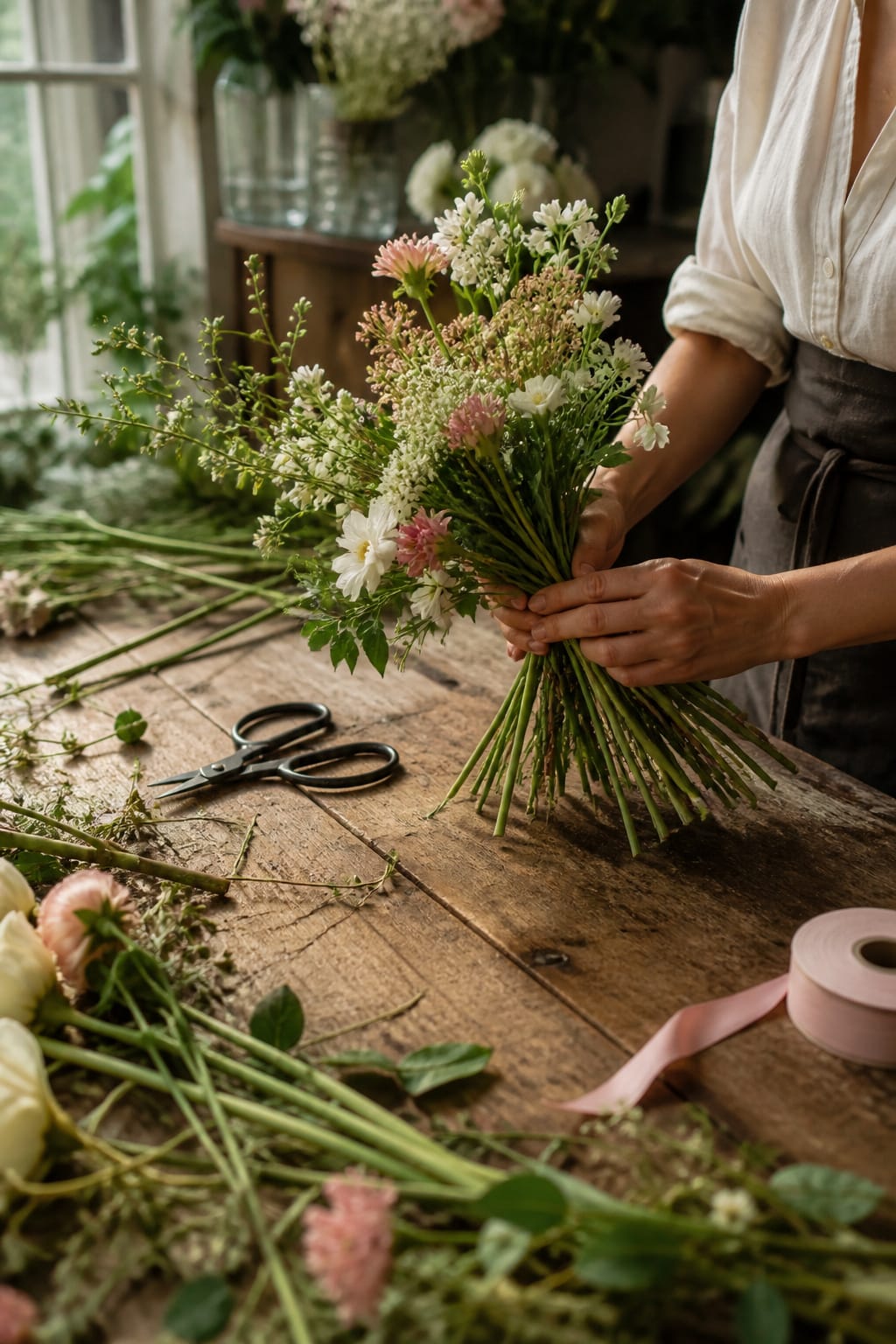
Creativity gets you in the door. Everything else keeps you in business.
Along with a steady hand at the design bench, you need time management, clear communication, and the patience to explain your pricing to a nervous bride.
Attention to detail matters more than most newcomers expect. A client will forgive a plain vase, but she won’t forgive a missing boutonniere.
If you’re weighing freelance work against running your own studio, my guide to becoming a freelance floral designer breaks down the difference. For a reality check on the career itself, read my take on floral design career myths.
Learn proper flower care early, too. Flowers that aren’t processed right fail on the customer’s table, and she remembers who sold them.
Start with my guide to processing fresh flowers. It’s the first thing I teach anyone who works in my shop.
Buy Flowers From Suppliers You Can Count On
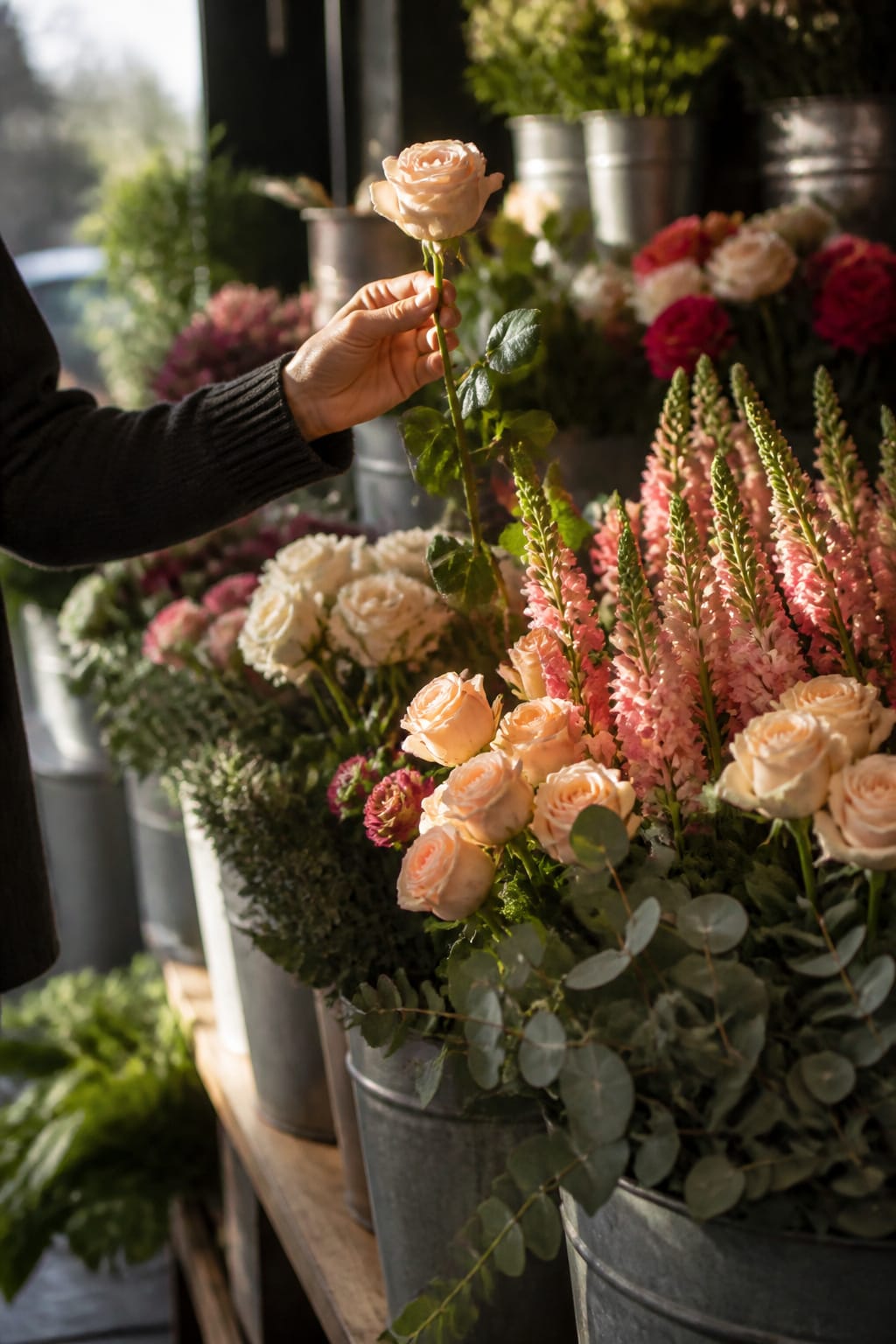
Your flowers are your product. If the product is tired, nothing else in the business matters.
Start with local growers and wholesalers. A local grower can offer freshly cut stems, often at competitive prices, and you can see exactly what you’re buying.
Visit flower markets and trade shows when you can. You can meet several suppliers in one morning and see the product in person.
Online wholesalers deserve a look too. They add variety and convenience, so compare shipping costs and ask what happens when a box arrives damaged or late.
One thing catches new florists off guard. Most wholesale distributors ask for a seller’s permit before they’ll sell to you, so get that sorted before your first buying trip.
Hold every supplier to the same standard: fresh stems every time, and exactly what you ordered. A single bad box during wedding week is reason enough to find a new supplier.
Know Your Costs, Then Price for Profit
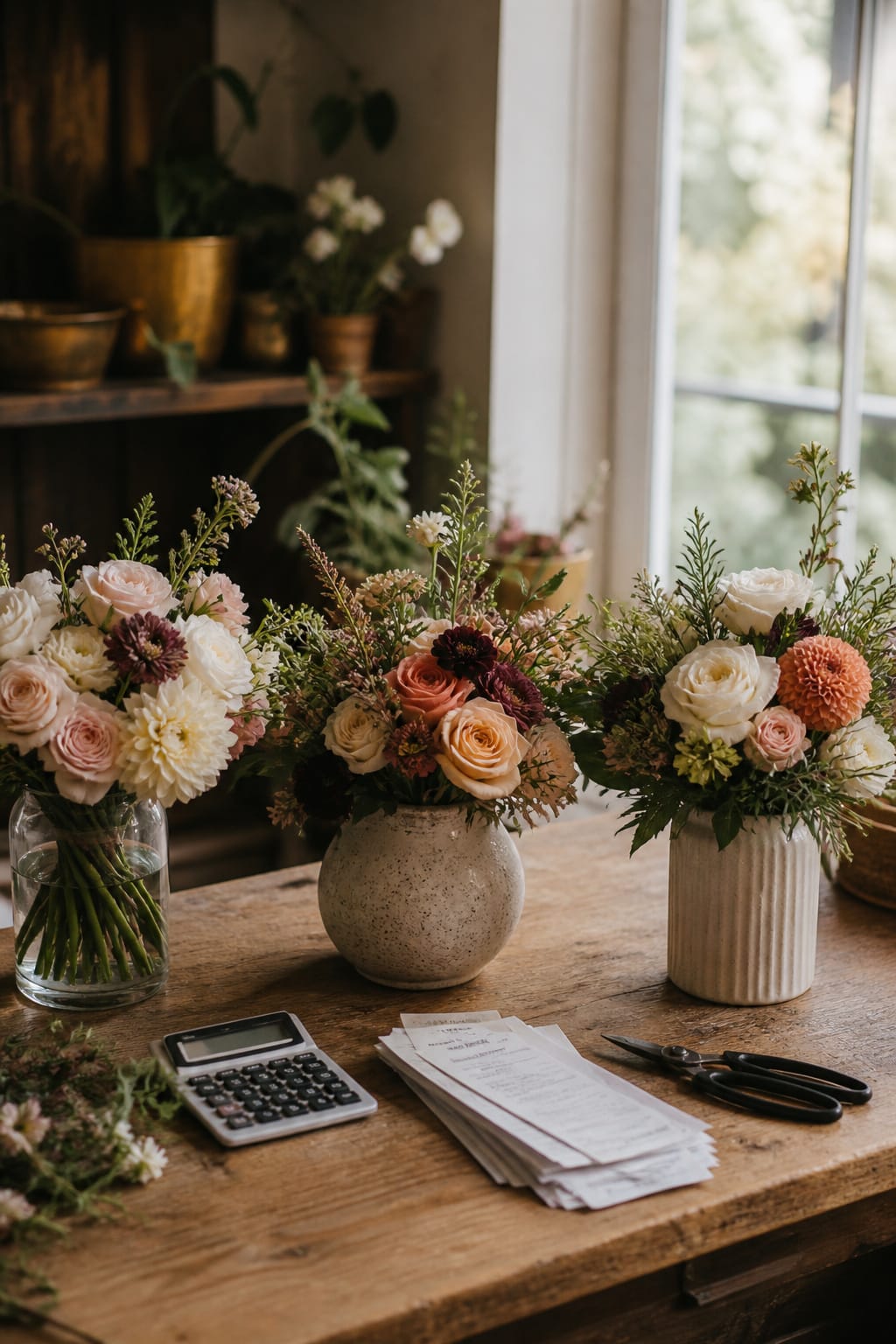
Start-up costs depend on how big you start. Tools, buckets, containers, flowers, packaging, marketing materials, and a website all add up, and local licensing fees can add more.
You can begin small and grow into the rest. Buy the tools you’ll use every week first, and my list of the floral design tools I use every day is a good place to start.
Pricing is where most home-based florists struggle. In my experience, there’s no cut-and-dried method; it’s part art and part math.
Start with what each design costs you in flowers, containers, supplies, and delivery. Then add your time and a share of overhead like your phone, website, insurance, and vehicle.
Check what local shops and studio florists charge so you know where the market sits. Then set yourself apart with your designs and your service, not by being the cheapest.
Test your prices and adjust. If every quote gets a yes, you’re probably priced too low.
Wedding clients quickly react to price, which I cover in how pricing affects wedding flower orders.
Market Locally Before You Go Online
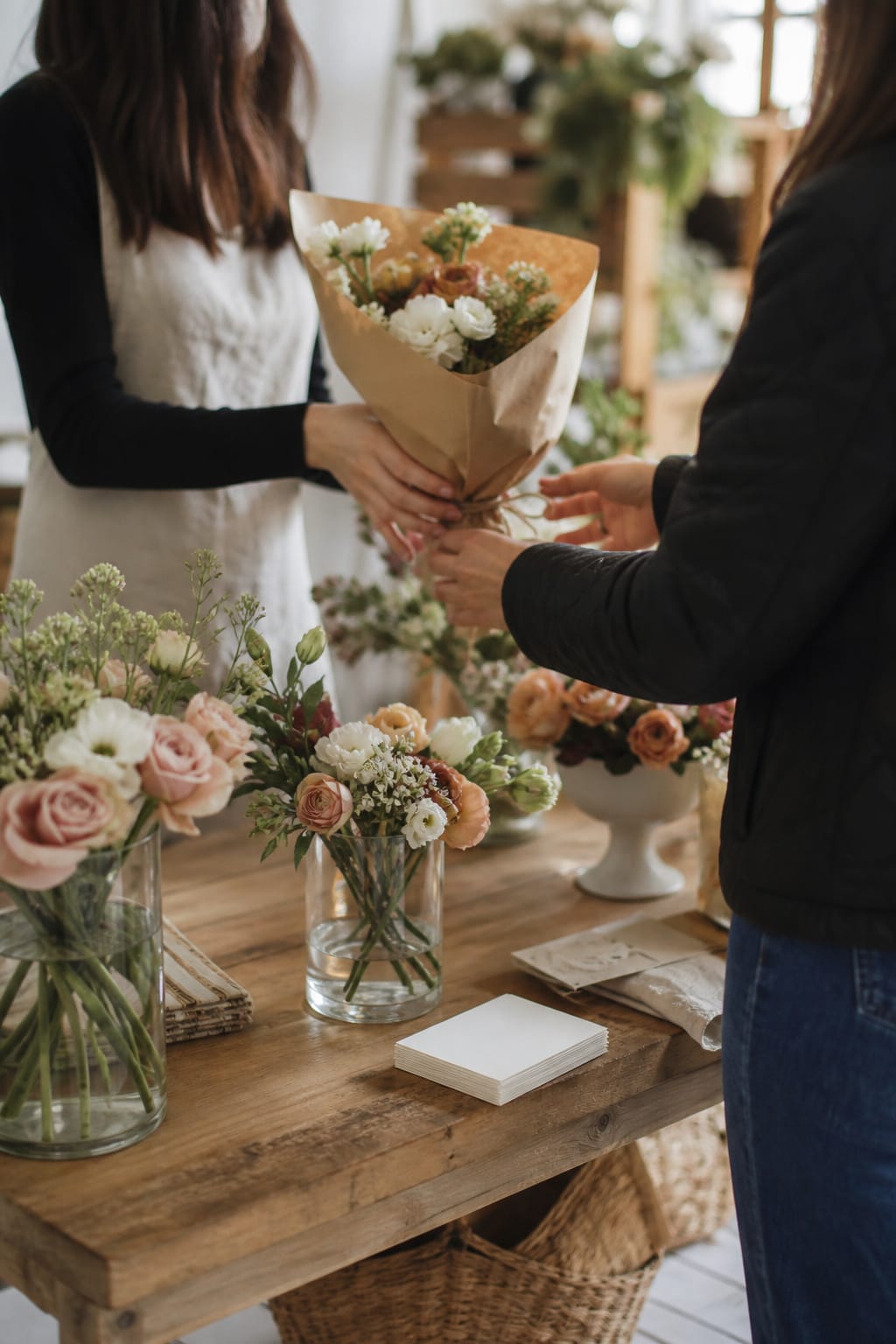
Start with a simple website that shows your work and how to reach you. Keep it current.
Instagram and Facebook can widen your reach. In my experience, though, local marketing pays off faster.
For traffic and sales, LinkedIn, Pinterest, and Google My Business have paid off the most for our shop.
Most home-based florists live on weddings and events, so build relationships where those clients start. Get to know wedding planners, photographers, and venue coordinators, since they share your target market.
LinkedIn is a good place to begin that search. Show up in person too, because bridal fairs and local business events put you in front of real prospects.
A workshop gives people a chance to meet you before they decide to hire you. It also boosts your visibility in the local community.
Fill out your Google Business profile completely and ask happy clients for reviews. Pair that with consistent branding, from your logo to your tone of voice, so people recognize you everywhere they find you.
A simple email list can tell past clients about promotions and events. But nothing beats word of mouth, so give every client a reason to talk about you.
Let an Order System Do the Busywork
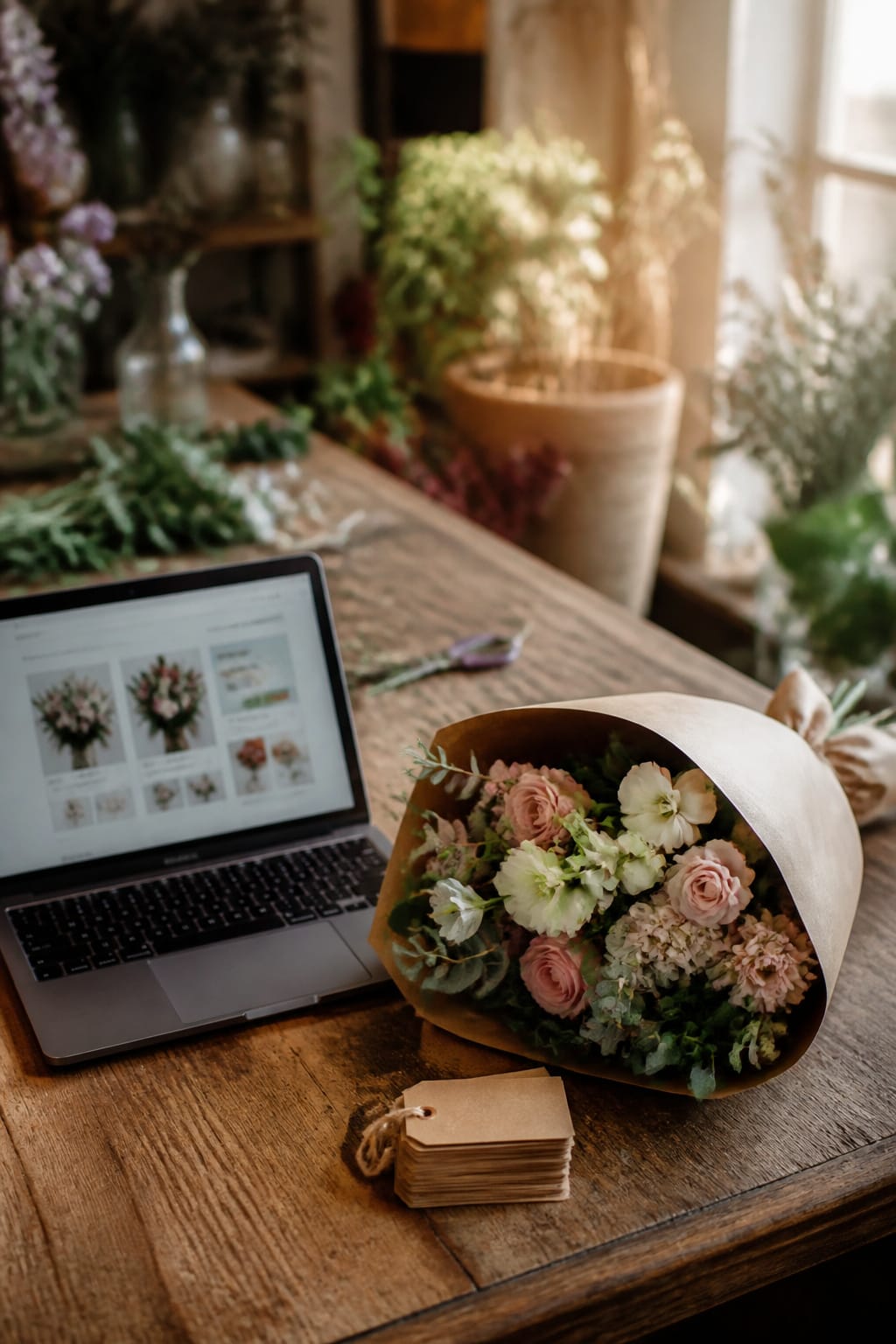
A website that only shows photos leaves clients emailing you for every detail. An order system handles that for you.
As your business grows, a web-based tool like Orderable, which works with WooCommerce, can manage online orders, in-person pickups, and deliveries in one place.
You set your store information, service hours, order options, and product layouts, so clients see exactly what you offer and when. You also choose the payment methods you accept.
Don’t build it all before your first order. Start simple, then add features as your volume grows.
The goal is a smooth process for your client and fewer late-night messages for you.
Keep Learning on the Job
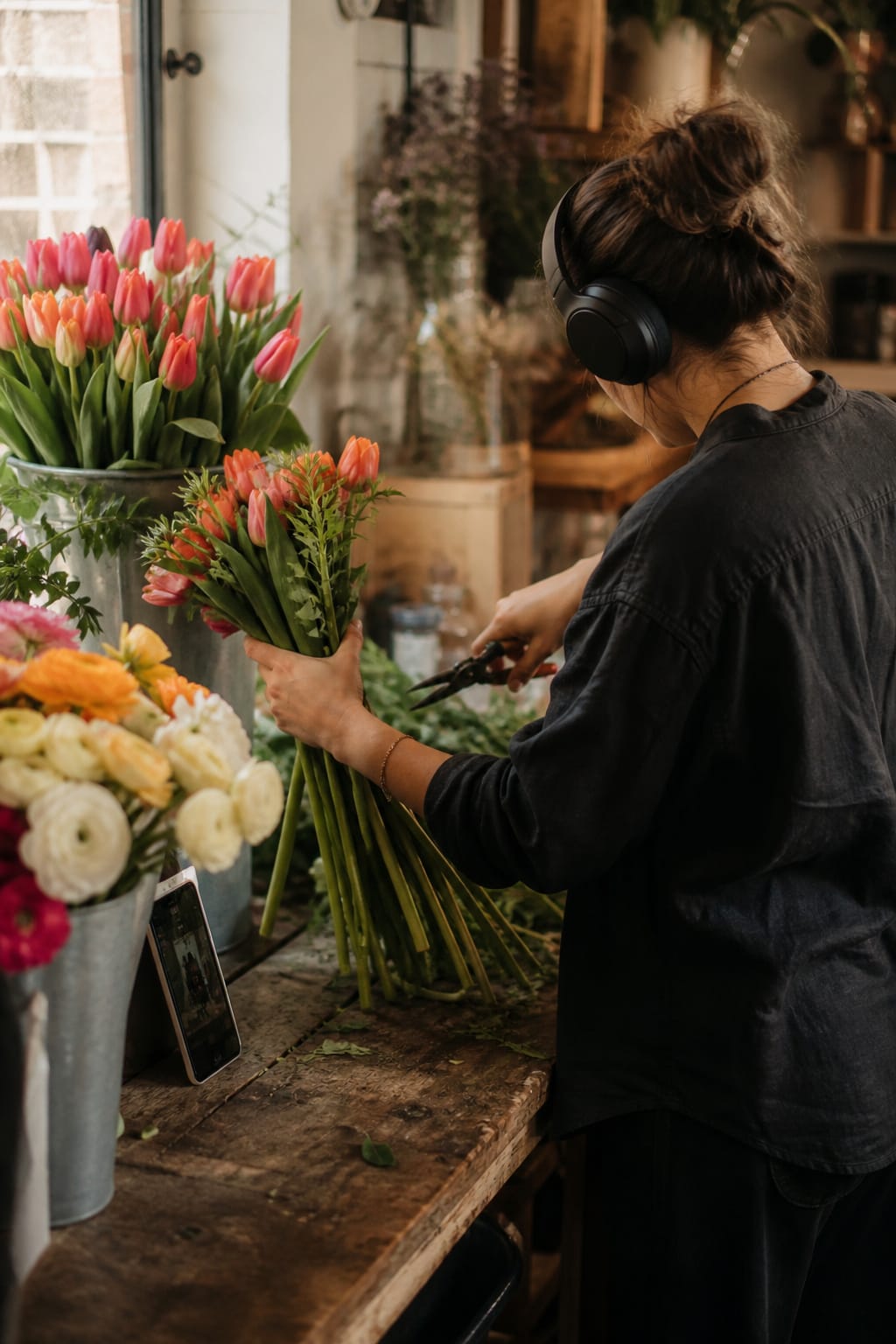
Skills fade when you stop pushing them. Set aside regular practice time, even when you have no orders.
Try deconstructing a design you admire and rebuilding it from your own stems. It stretches your creative boundaries and helps you develop an aesthetic that’s yours.
Experiment with styles outside your comfort zone, too. And get honest feedback from a mentor or another florist, since they’ll spot weak points you’ve stopped seeing.
Learning on the job? Business, pricing, and marketing books are easy to fit in when you listen instead of read, whether you’re at the bench or driving to the wholesaler. Eligible new members can start an Audible free trial and try it out. As an affiliate, we earn on qualifying purchases.
Workshops, courses, and symposiums keep you current on trends and techniques. For ways to work smarter at the bench, see my productivity tips for floral designers.
Treat Every Customer Like a Repeat Customer
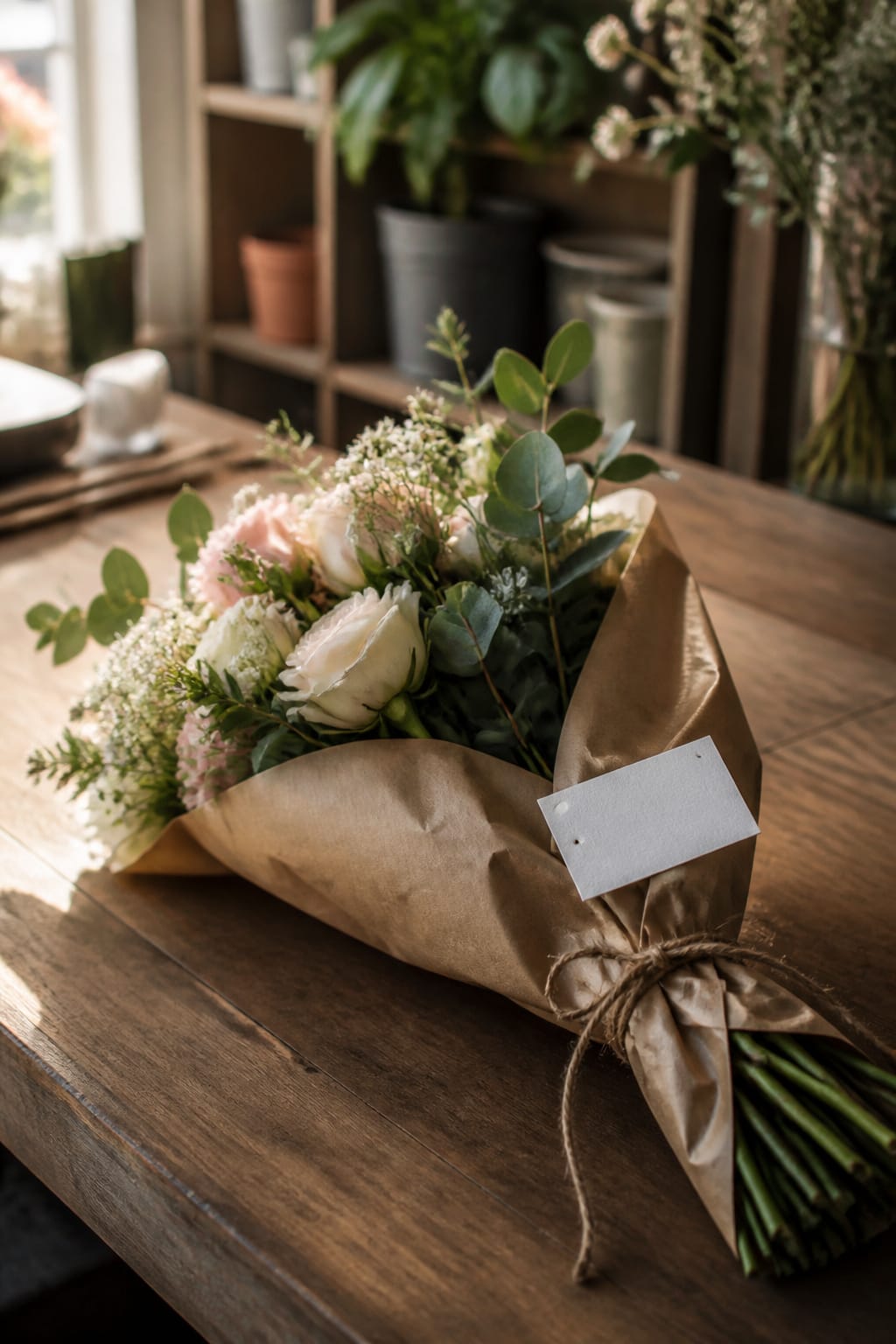
Repeat clients keep a small business steady. Earning them comes down to a few habits.
Start with attention. Learn names, remember what she ordered last time, and ask about the event, not just the flowers.
Answer inquiries quickly. A prompt reply tells a client you’ll be just as reliable on delivery day.
Ask for feedback after every order. A short follow-up message tells you what worked and shows clients you care.
Add a small extra now and then, like a personal note or a thoughtful suggestion. Those touches cost little and get remembered.
Set Up Delivery and Your Workspace Early
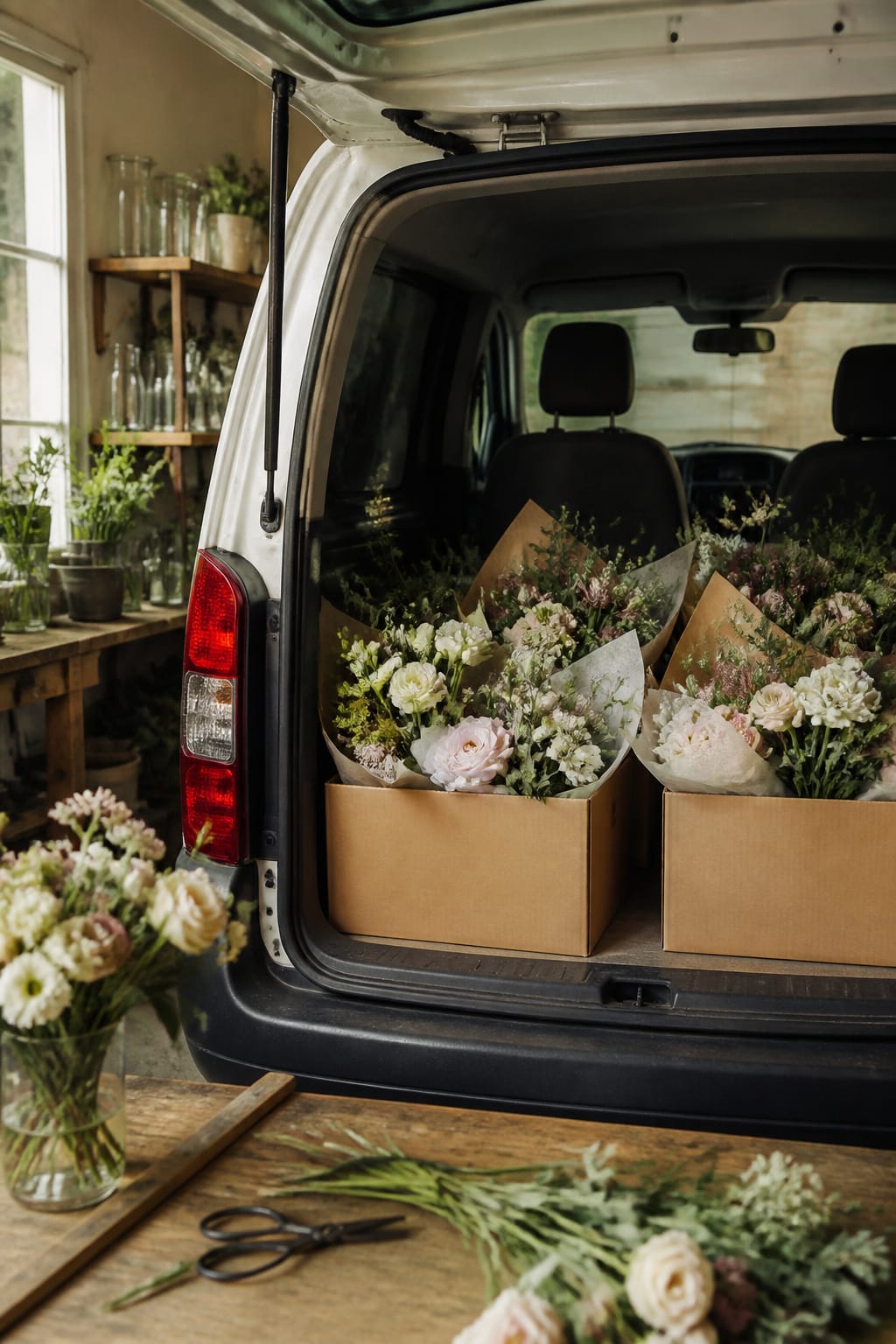
Plan Your Deliveries
Delivery can make or break a good arrangement. If you deliver yourself, use a vehicle and a driver trained to handle flowers.
If you partner with a courier, remember that package delivery is not floral delivery. Make sure the courier knows how to handle arrangements.
Invest in proper packaging so arrangements stay upright and protected in transit. Then tell clients exactly what delivery options and time windows you offer.
Organize Your Workspace
Set up a dedicated space where supplies are easy to reach. Shelves, cabinets, and labeled containers keep tools, vases, and ribbon from taking over the kitchen.
Keep your flowers cool, out of direct sun, and away from the fruit bowl. Ripening fruit gives off ethylene gas, which shortens flower life.
Track inventory and keep detailed records of orders, expenses, and client information from day one. It saves you from buying the same thing twice.
Handle the Legal and Money Side Early

I’m a florist, not an attorney or an accountant, so treat this section as a checklist of questions to ask the right professionals.
Get Your Licenses and Permits
Before you launch, find out which licenses and permits your area requires. As I mentioned, wholesale distributors want a seller’s permit before they’ll sell to you.
Call your local government or small business association for the specifics. Ask about home-based business rules too, since some areas limit customer visits, signage, or deliveries from a residence.
Getting this right keeps you legal and tells clients you’re a professional.
Keep Clean Books and File Your Taxes
Talk to a tax professional about what you owe, including sales tax and income tax. Requirements vary by location, and guessing gets expensive.
Track every dollar of income and expense through the year. Accounting software or a part-time bookkeeper makes tax season far less painful.
Insure the Business
Business insurance can cover damage to property or equipment, accidents during delivery, and liability claims from clients. Ask whether your homeowner’s or renter’s policy covers business activity, because many don’t.
Workers’ compensation may not be legally required while you work alone, but it’s worth a conversation, and umbrella coverage adds another layer. I’d strongly suggest working with an independent business insurance agent to build a policy that fits your situation.
Review your coverage every year. Your needs change as the business grows.
Protect Your Designs and Brand
Your designs, photographs, and logo are intellectual property. Watermark your photos and post a clear copyright notice on your website and social profiles.
If someone copies your work, talk to an intellectual property attorney about your options.
Plan for Growth, Help, and an Exit
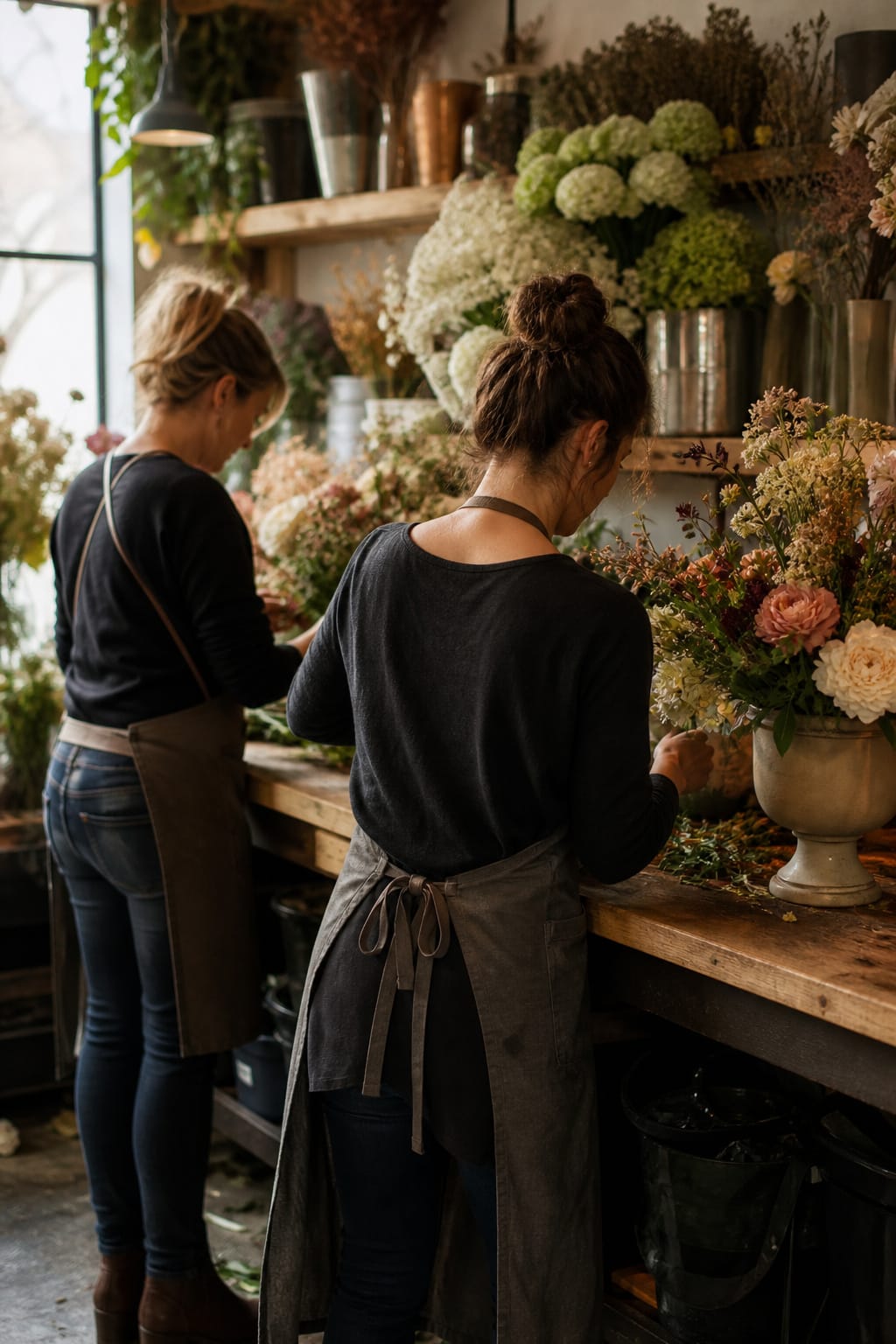
Once the business is steady, you may want to grow. Common routes include a storefront, partnerships with nearby businesses, or extra help for larger orders.
Before you scale, streamline. Tighten your processes, automate repetitive tasks, and review your numbers regularly so you grow on facts, not hunches. My piece on how AI is changing the game for florists has a few automation ideas.
When you’re ready to hire, decide which roles you need, such as a floral assistant or a delivery driver, and write a clear job description. Interview for attitude and reliability as much as skill.
Plan your exit early too. Retirement, a career change, or a move can all close the story.
You can sell to a qualified buyer, hand the business to a family member or trusted employee, or wind it down slowly. A business broker or attorney can walk you through the legal and financial side.
Frequently Asked Questions
How Much Does It Cost to Start a Home-Based Floral Business?
It depends on how big you start. Plan for tools, buckets, containers, your first flower orders, packaging, a simple website, and any licensing fees in your area.
Many florists start small and reinvest early income. Write every cost down before you spend anything, so you know what you need to earn to break even.
Do I Need a License to Sell Flowers From Home?
Requirements vary by city, county, and state. Most home-based florists need to register the business and get a seller’s permit, and some areas add home-based business rules on top of that.
Call your local government or small business association for the specifics, and ask a tax professional about sales tax.
Where Do I Buy Flowers When I’m Just Starting?
Local growers, wholesalers, and flower markets are the usual starting points, and online wholesalers add variety. Ask each supplier what they require, since many wholesalers want a seller’s permit.
Start with small orders and see how the flowers hold up before you commit to a bigger one.
Should I Focus on Weddings or Everyday Arrangements?
In my experience, specializing helps. Wedding flowers, corporate events, and sympathy work are niches that take more advanced skills, so build those skills before you promote them.
Being a talented designer doesn’t automatically make you a good business owner, and the reverse is true, too. Work on both.
How Do I Price My Arrangements?
Add up the flowers, containers, supplies, delivery, and your time, then add a share of overhead. Compare the result with what local shops charge.
There’s no cut-and-dried formula, so test your prices and watch how clients respond.
How Do I Find My First Customers?
Start local. Connect with wedding planners, photographers, and venues, fill out your Google Business profile, and ask every happy client for a review.
Bridal fairs and workshops help you meet people face to face, and Pinterest has worked well for our shop.
Closing Thoughts
Starting a home-based floral business takes planning, patience, and a few early lessons you’ll pay for. That’s normal.
If you’re still weighing the bigger picture, my guide to starting a floral business covers the basics.
Treat it like a garden. Prepare the soil with a plan, plant carefully with good suppliers and fair prices, and tend it every week. It blooms slower than you’d like in year one, and it’s worth the wait.
Tell me in the comments: what’s the one thing holding you back from getting started?
Til next time,