Disclosure: This post may contain affiliate links. If you click and buy, we may earn a commission at no extra cost to you. As an Amazon Associate, we earn from qualifying purchases.
Last Updated: July 3, 2026
A customer walked into the shop a few years back holding her phone up to my face before she’d even said hello. On the screen was a photo of her cat, mid-chew, working through the leaves of a lily she’d picked up at a big-box store the week before.
The cat was fine. The vet bill wasn’t cheap, and she’d had no idea lilies were dangerous to cats in the first place.
She wanted to know what she could bring home instead that wouldn’t send her back to the emergency vet. I gave her a short list off the top of my head, and that list turned into this post.
If you’re shopping for houseplants and you’ve got a cat or dog underfoot, here are eight I’ve sold in the shop for years, all non-toxic to both. It’s not an exhaustive list. It’s a solid place to start.
Try a Fittonia If You’ve Got Low Light and Limited Space
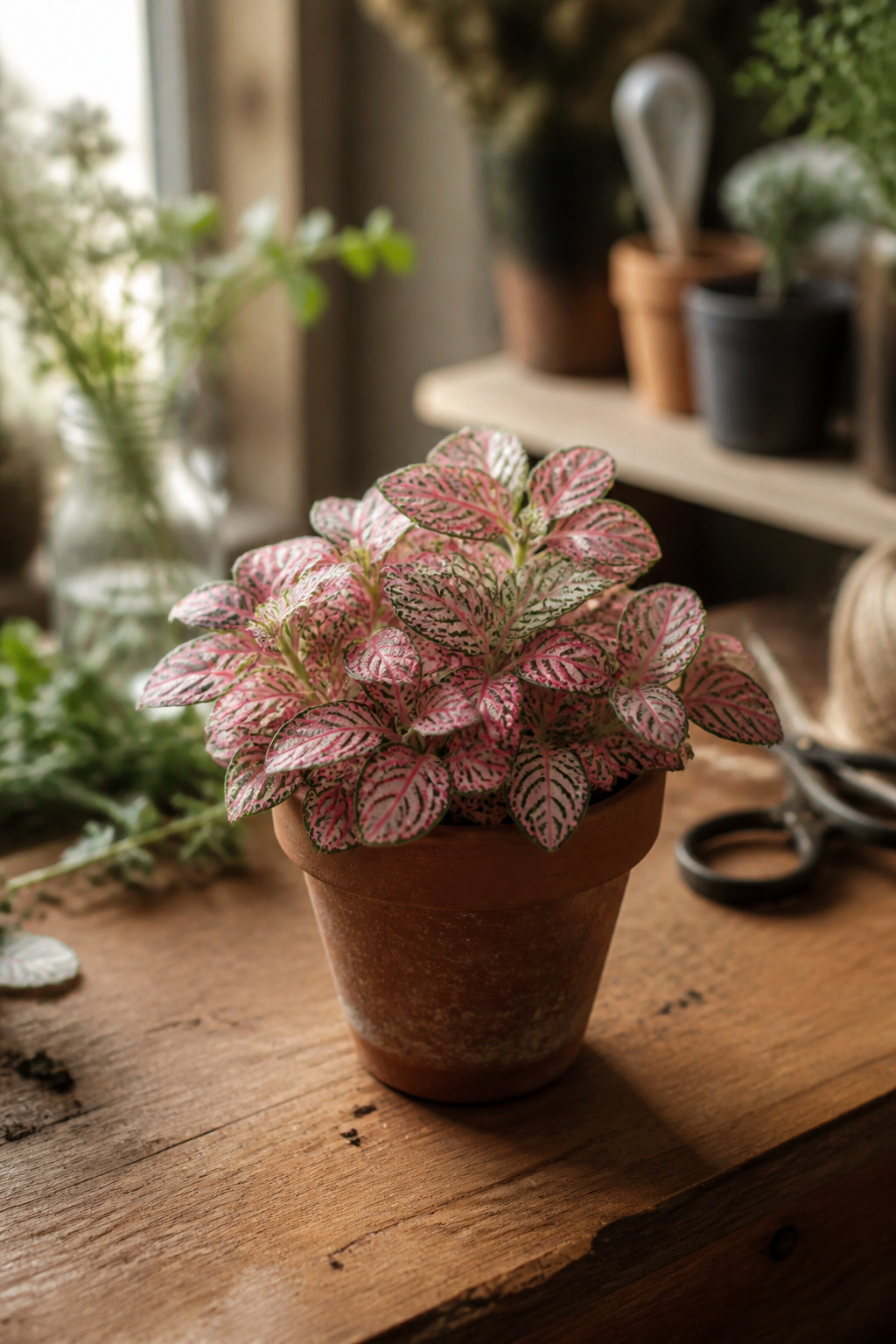
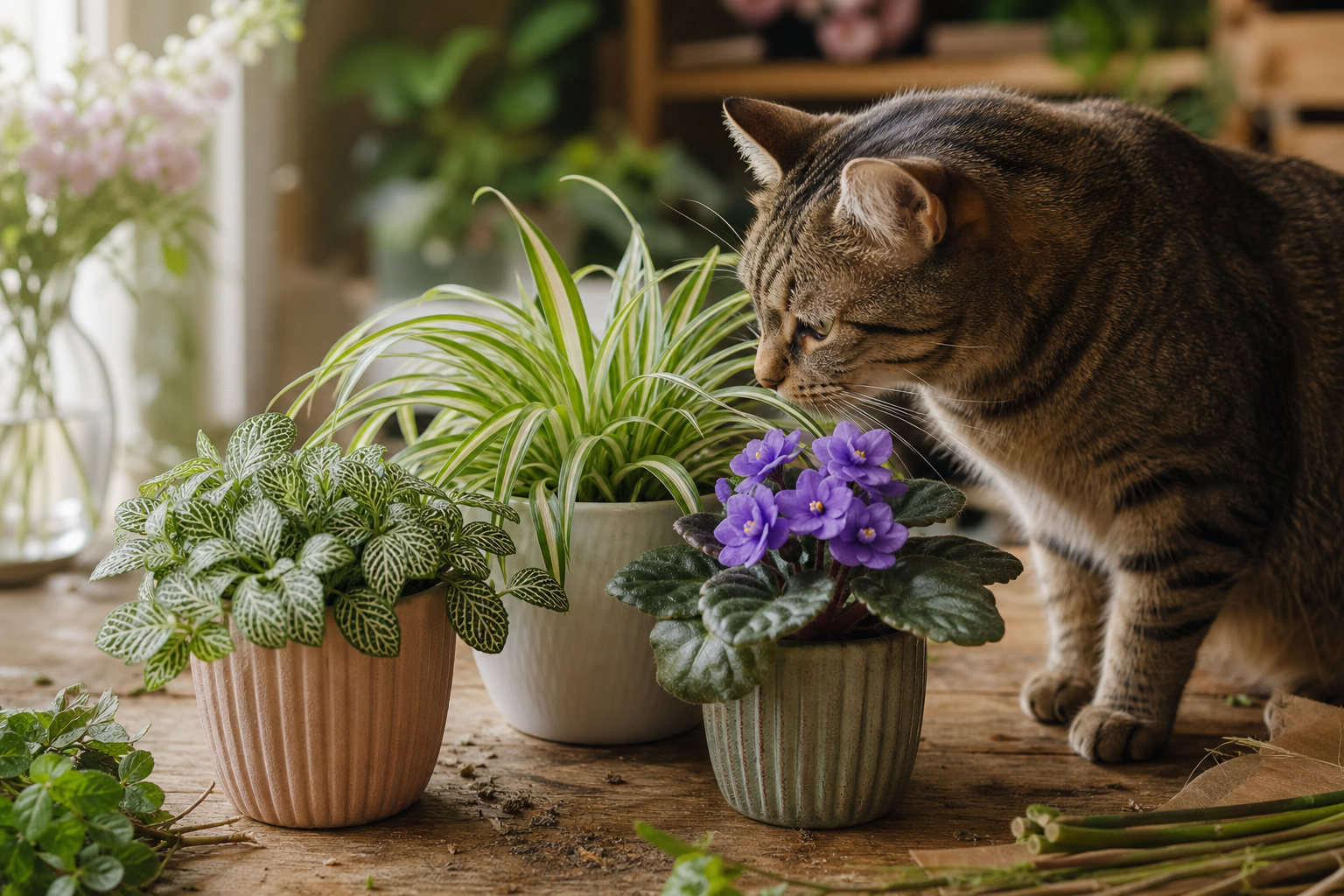
Commonly known as the nerve plant, Fittonia albivenis is easy to care for and stays small, which makes it a good fit for a shelf or a desk. The white or pink veining running through the leaves does most of the visual work for you.
It likes low light and consistent moisture. Non-toxic to both dogs and cats, so if a curious paw knocks it over, you’re only cleaning up dirt.
Hang a Spider Plant for Easy Care and Air-Cleaning Bonus Points
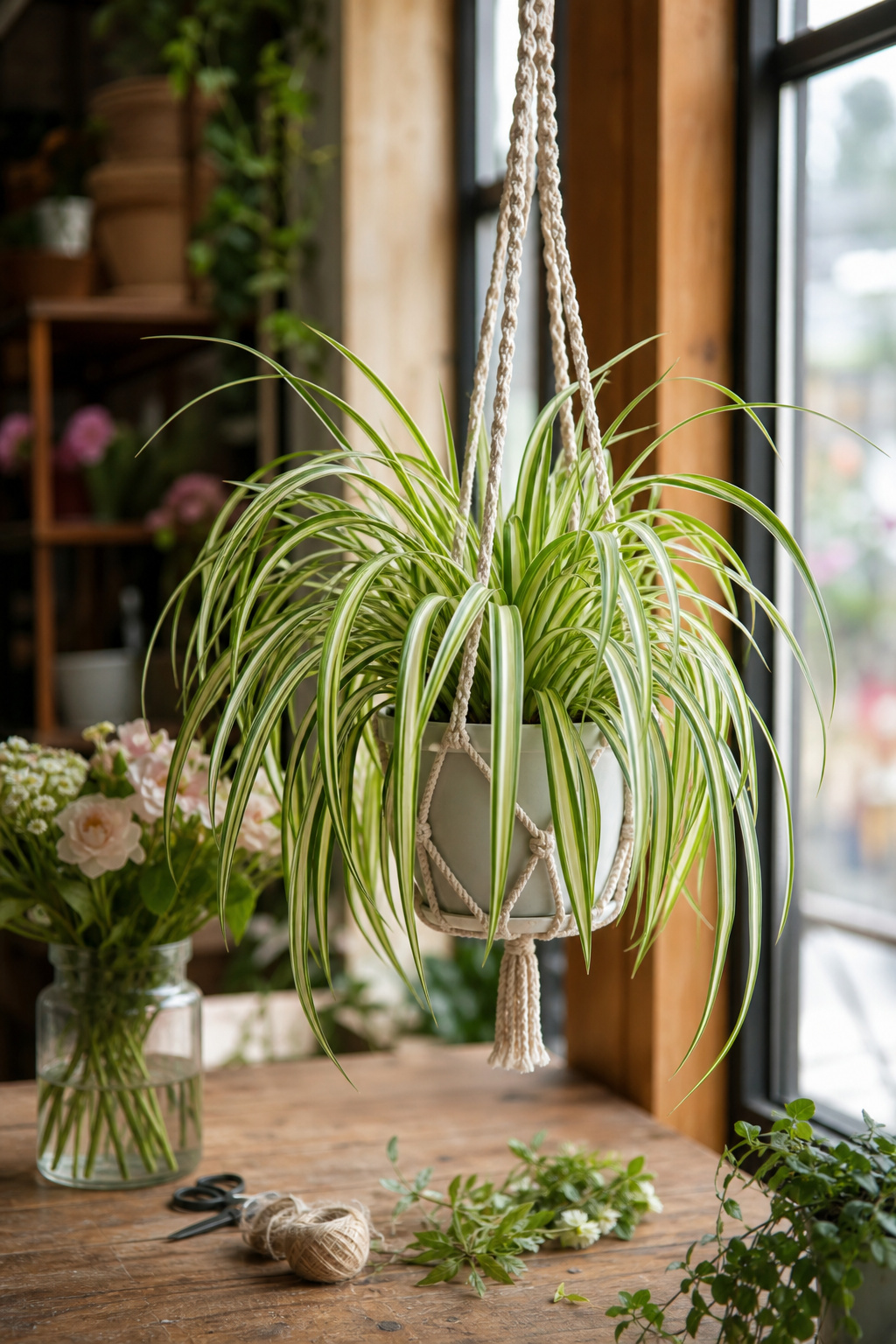
Chlorophytum comosum, also called the airplane plant, is one of the most forgiving houseplants you can grow. Variegated leaves, arching habit, and it handles neglect better than most.
Spider plants are known for helping indoor air quality, and they’re completely pet-friendly. Cats sometimes like to chew on the leaves out of curiosity rather than hunger, and that’s fine here; it won’t hurt them.
Go Big With an Areca Palm on the Floor
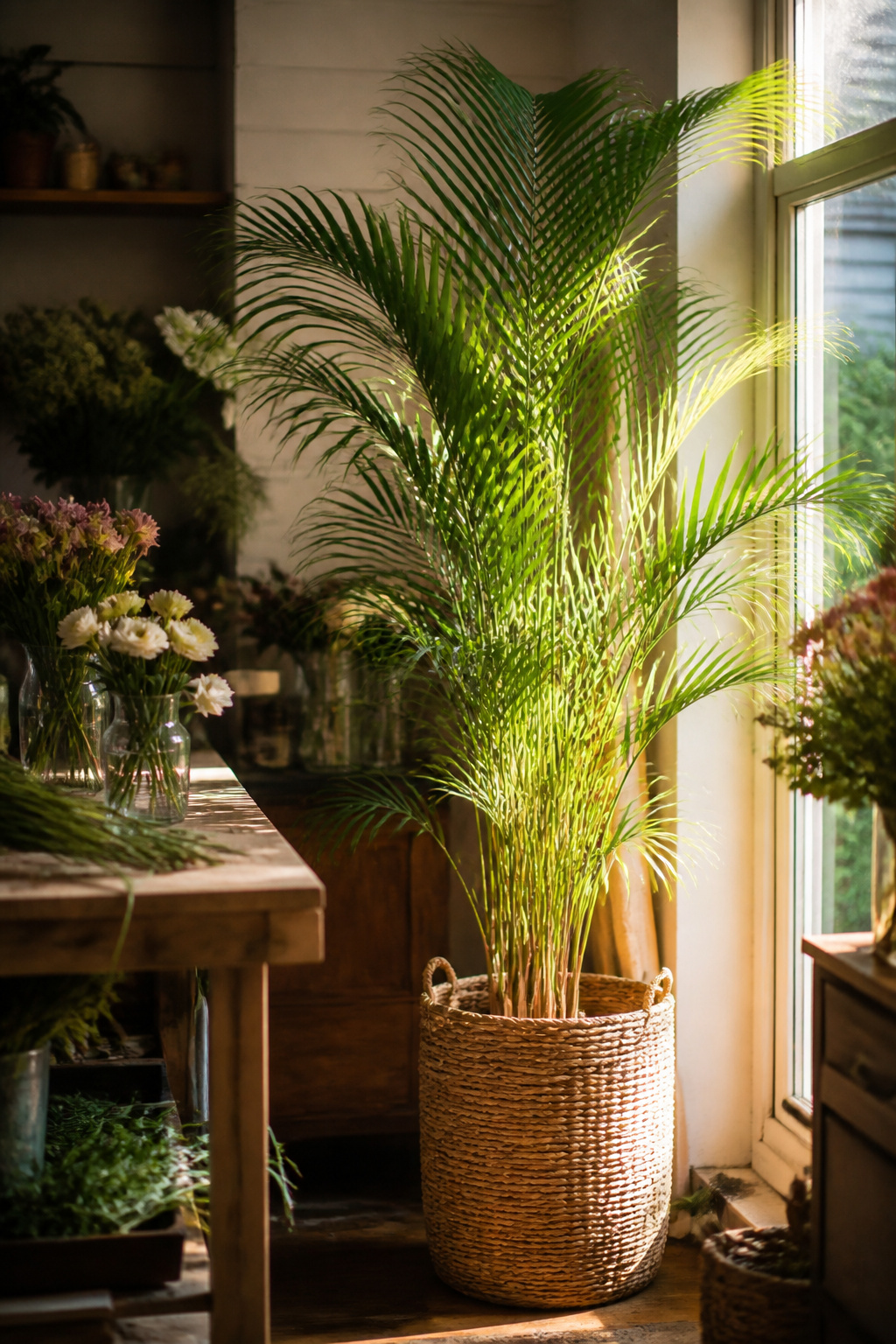
If you want a larger floor plant, the areca palm (Dypsis lutescens) is a good non-toxic option. It likes bright light and is easy to keep happy once you find it a sunny spot.
The fronds give a room some height and movement without the risk that comes with a lot of other popular floor palms.
Fill a Corner With a Parlor Palm
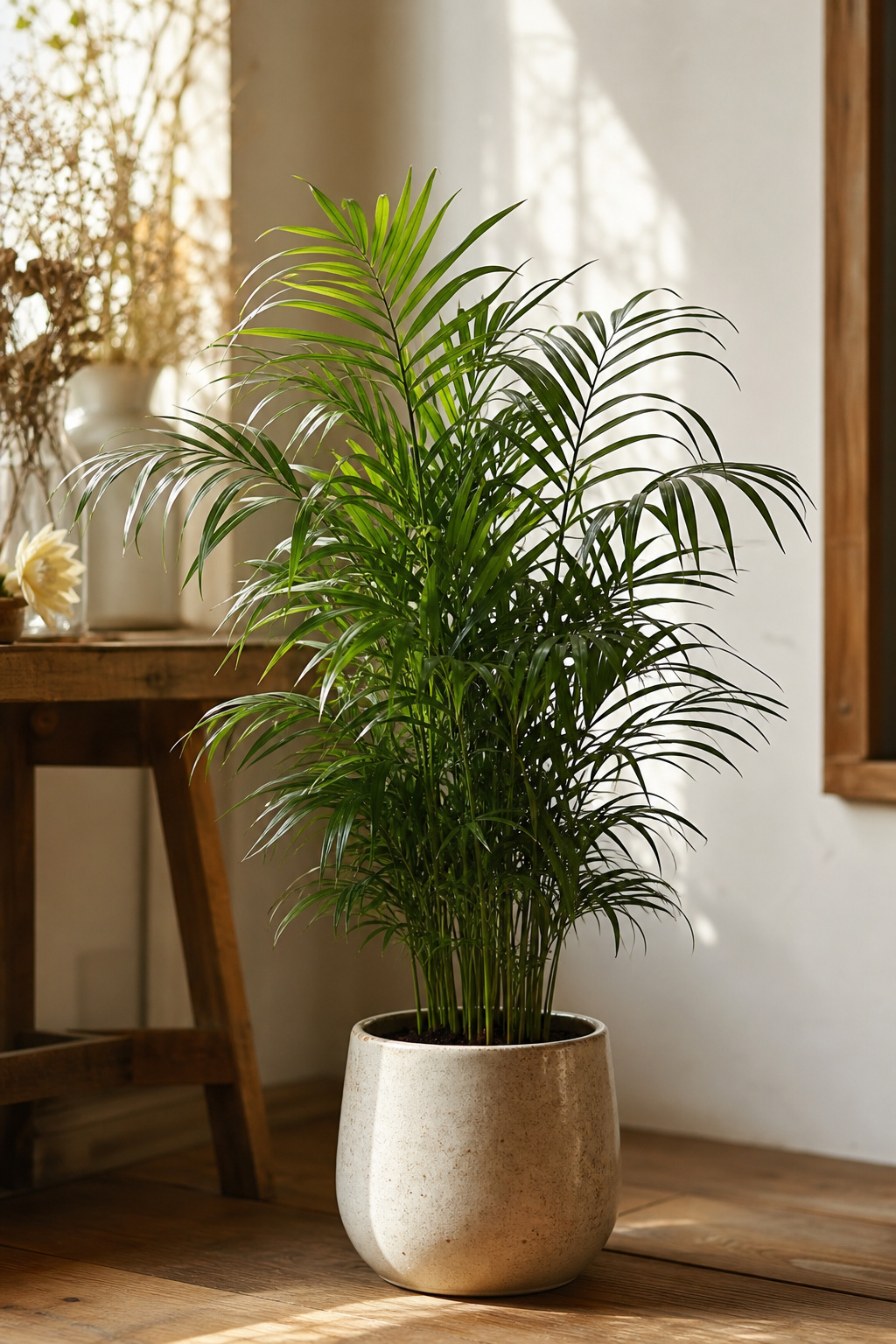
Neanthe bella, better known as the parlor palm (Chamaedorea elegans), is one we’ve sold in the shop for years. It stays shorter than most indoor palms but fills out fuller, which makes it a good corner plant.
Super easy to care for, and non-toxic to pets. It’s one I recommend to first-time plant owners as often as I recommend it to pet owners.
Add Color to a Windowsill With African Violets
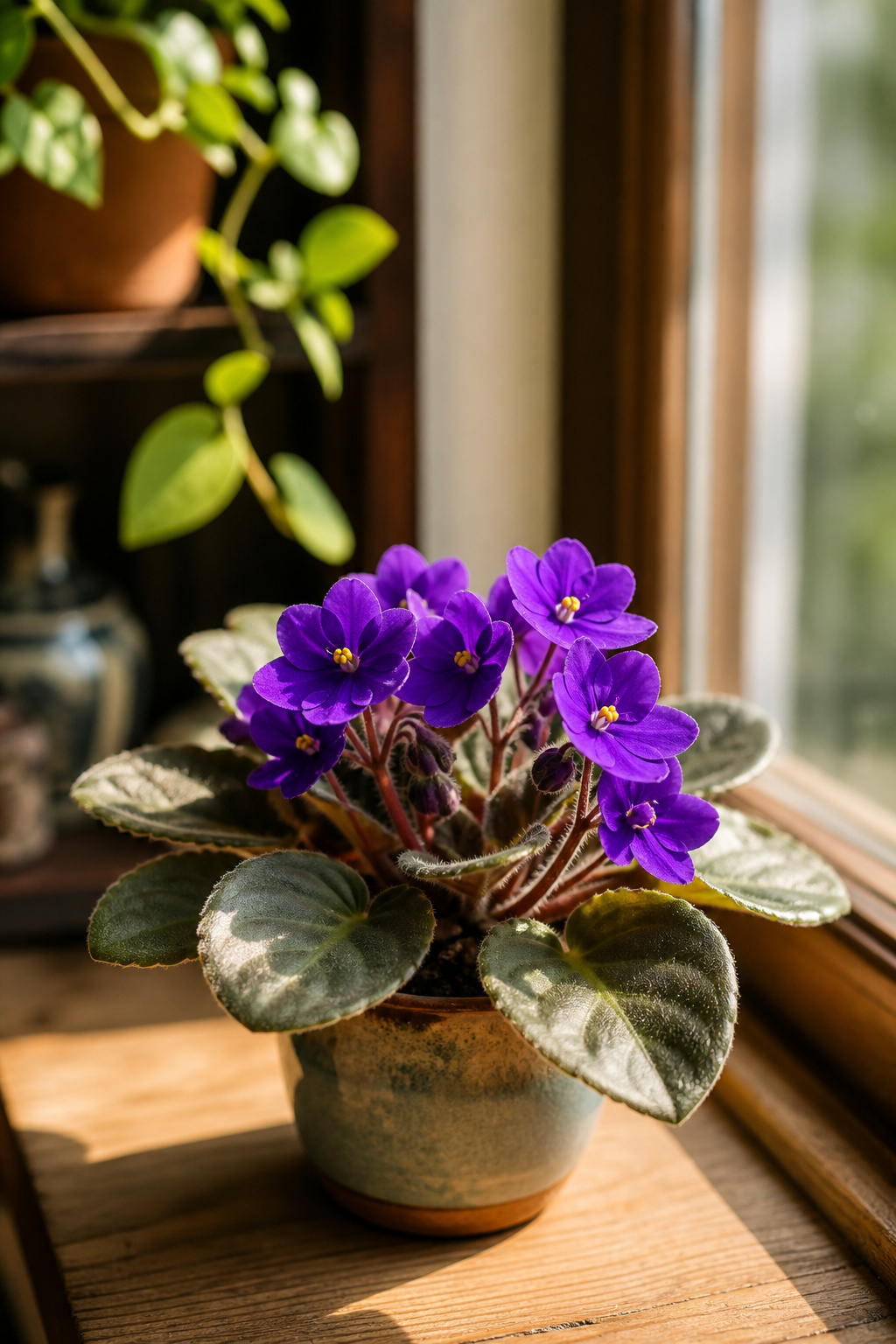
Saintpaulia is one of the easiest blooming houseplants you can grow indoors, and low-maintenance to boot. If you’ve got an empty windowsill, this is the plant that fills it with color.
Your pets are perfectly safe around African violets, including the blooms. That’s not something I can say about every flowering houseplant on the market.
Trust the Cast-Iron Plant When You Travel or Forget to Water
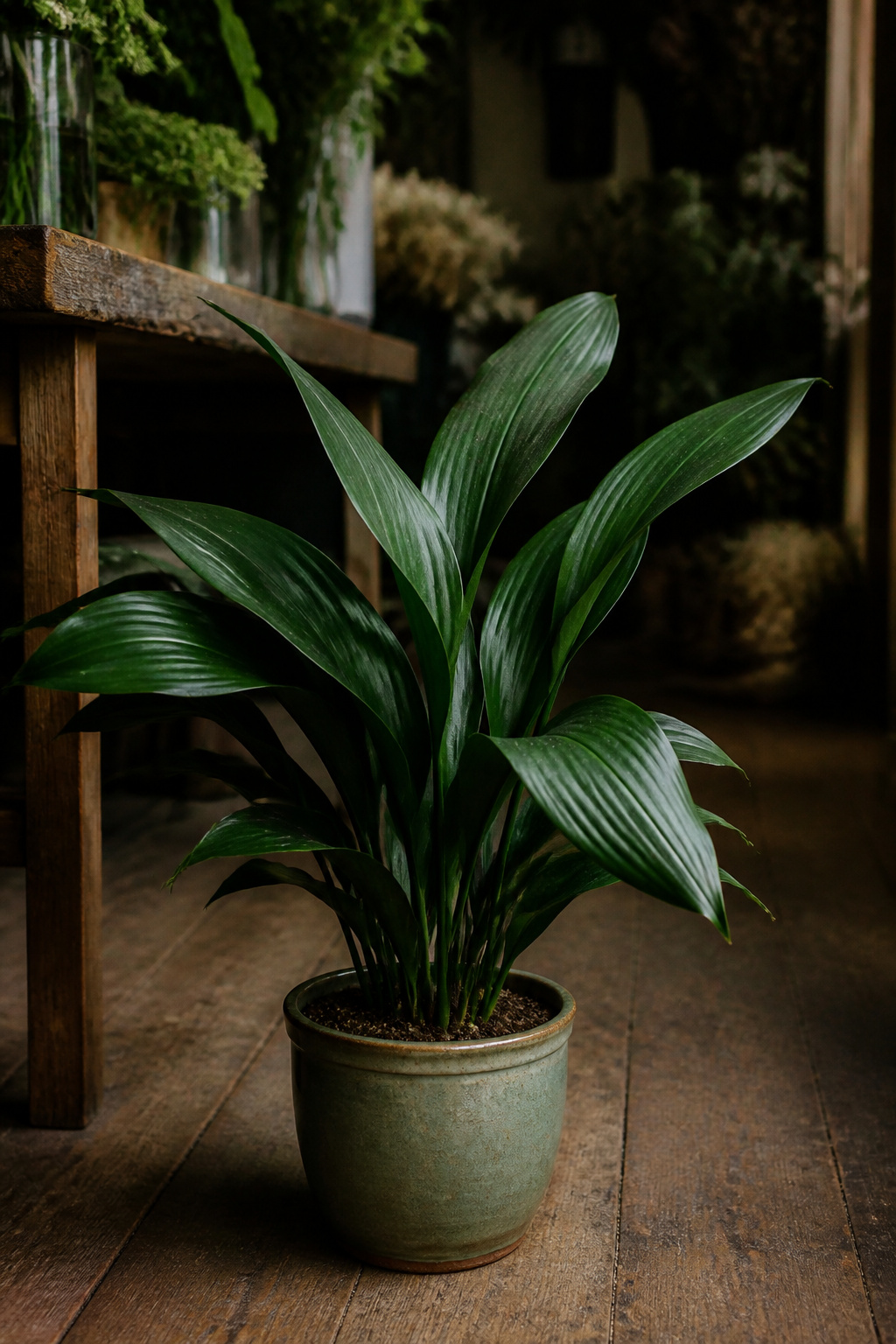
There’s a reason Aspidistra elatior got nicknamed the cast-iron plant. It tolerates nearly any lighting condition and only needs watering about once a week and feeding every few months.
On top of handling neglect better than almost anything else I sell, it’s 100% pet-friendly. If your track record with plants is spotty, start here.
Hang a Boston Fern for Classic Texture
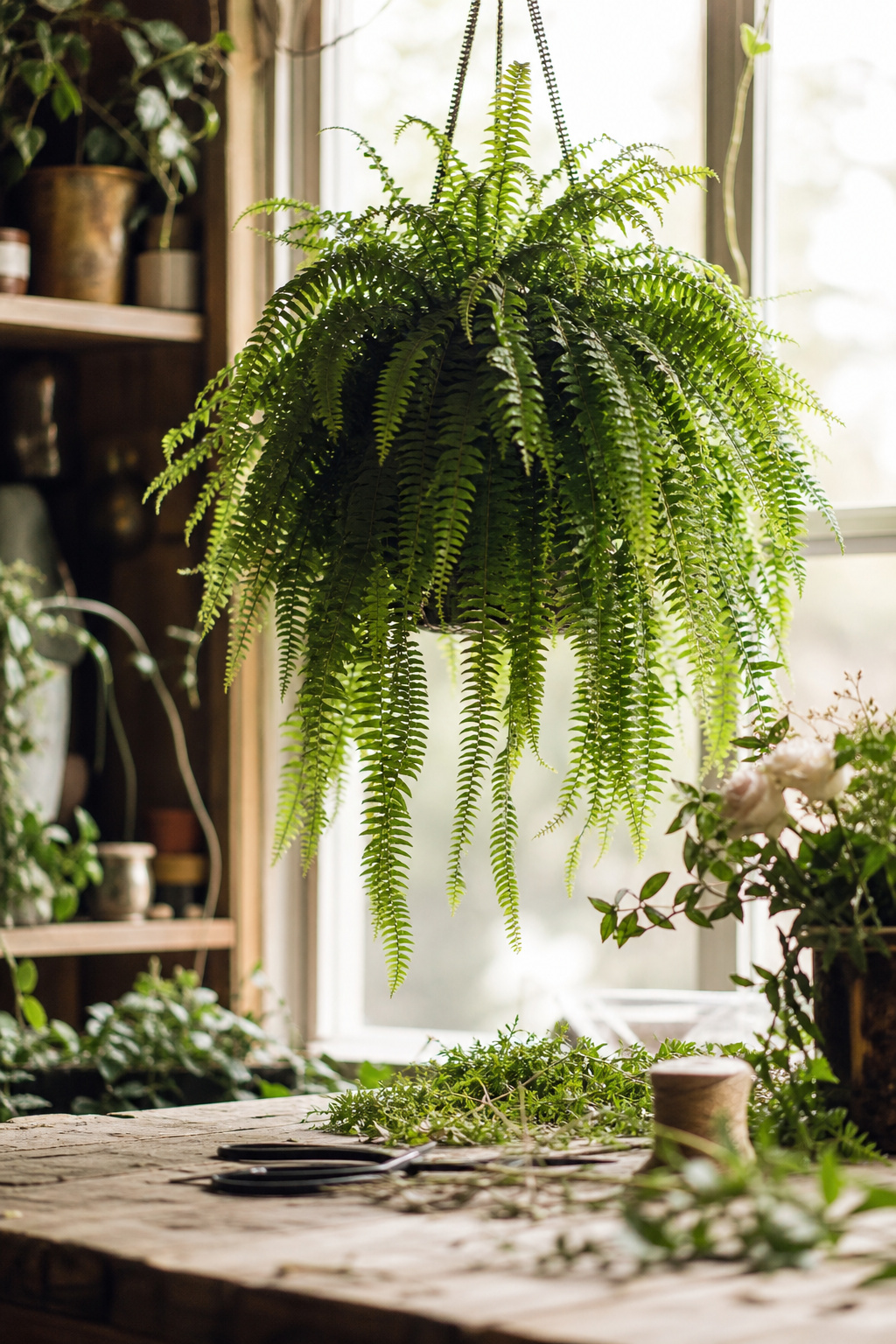
The Boston fern (Nephrolepis exaltata) is a classic for a reason. We’ve sold plenty in hanging baskets over the years, though it looks just as good on a pedestal.
It’s non-toxic, easy to care for, and gives a room texture that many broad-leafed houseplants can’t match.
Pick a Moth Orchid for Long-Lasting Blooms
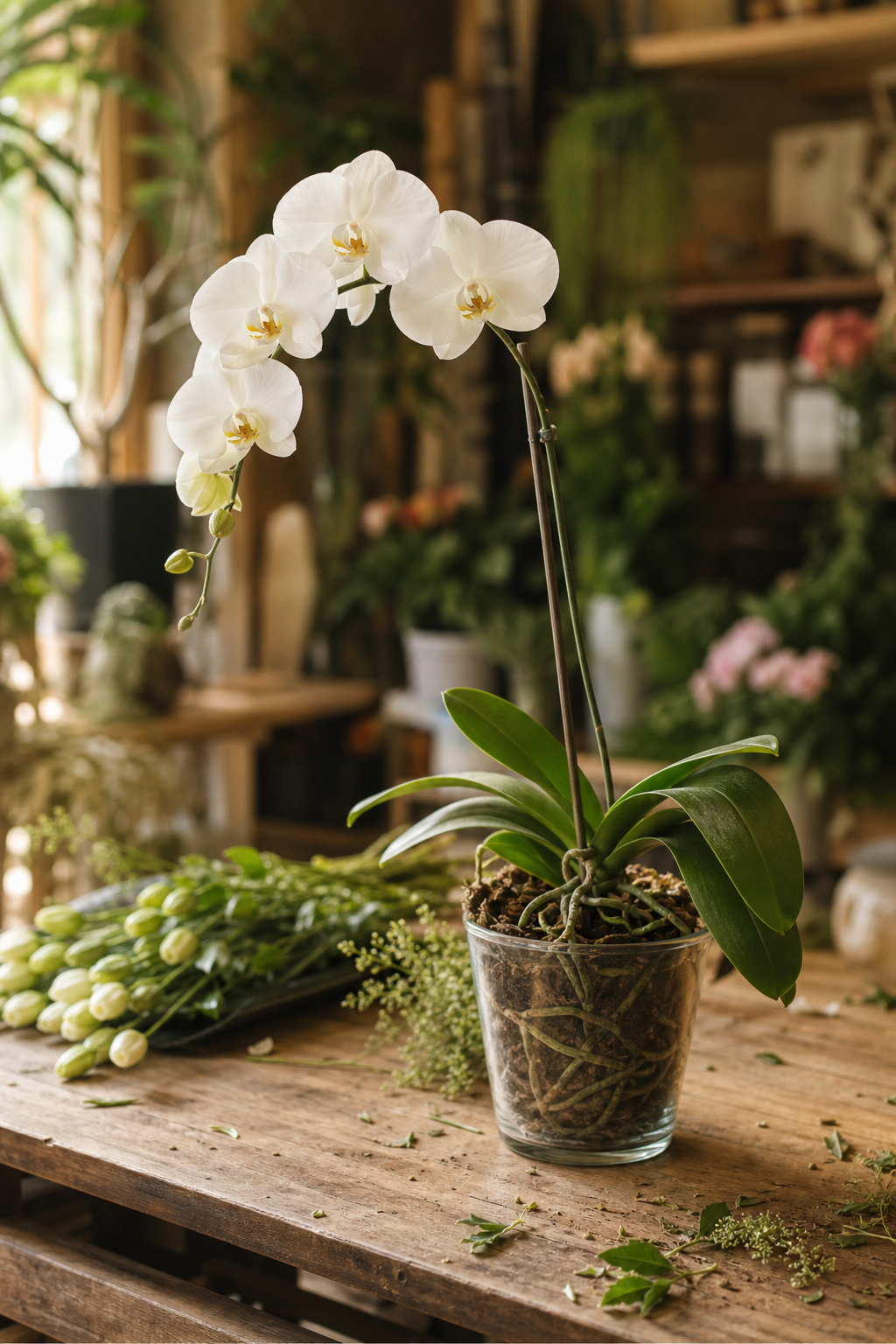
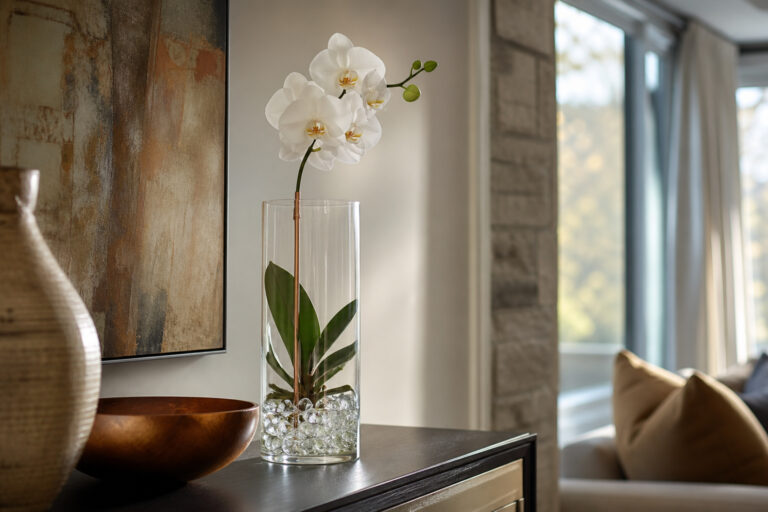
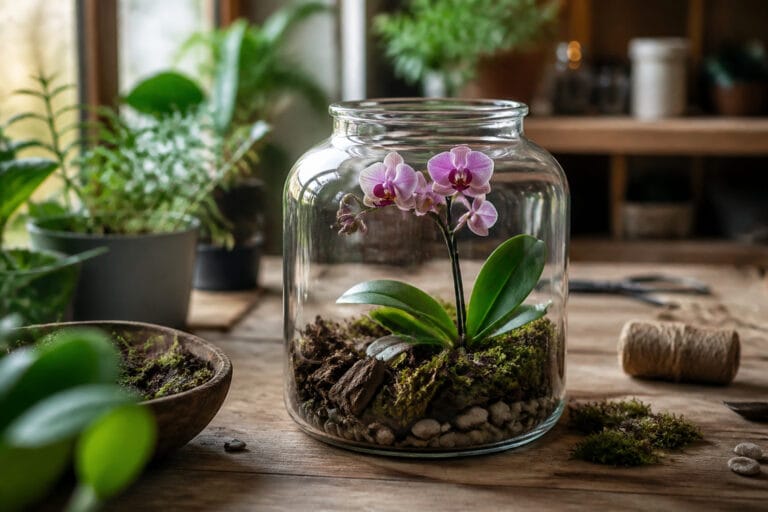
Phalaenopsis, or the moth orchid, is one of the most popular flowering plants I sell and one of the easier orchids to keep alive. For care specifics, I’ve got a full orchid care guide that walks you through light, water, and getting yours to rebloom.
You don’t have to worry about your pets around it either. It’s a solid pick if you want color that lasts for months instead of days.
Know Where to Buy Pet-Friendly Plants
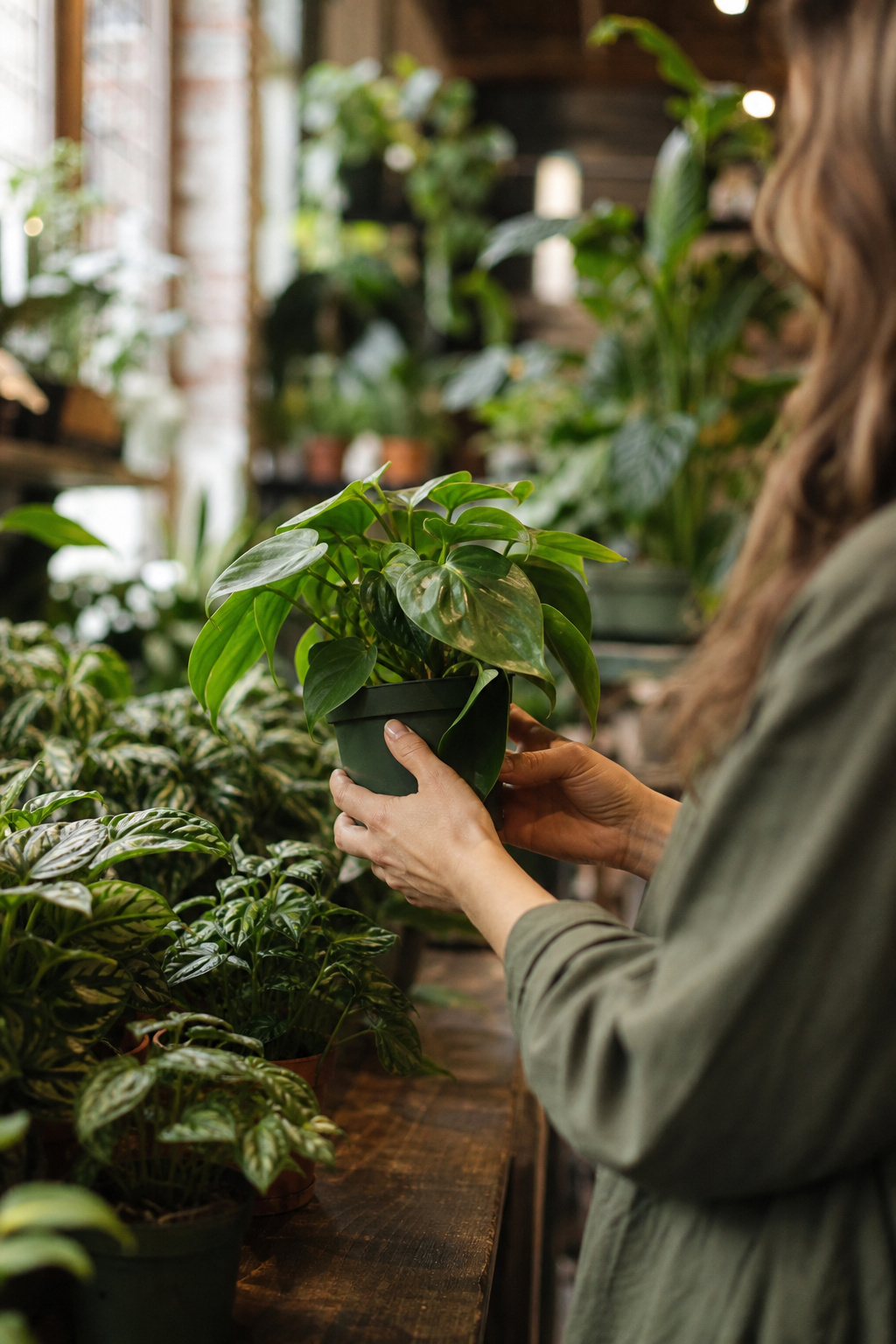
I always buy my own houseplants locally, from a greenhouse, florist, or garden center, somewhere I can see the actual plant before I commit to it. With the possible exception of orchids and succulents, I avoid buying houseplants from big-box stores. They don’t always look properly maintained to me.
I also avoid buying live plants that need to be shipped. That kind of stress isn’t good for the plant, whether or not it’s headed to a pet-owning home.
What I use in the shop: a soil moisture meter takes the guesswork out of watering, which matters even more with pet-safe plants since you can’t rely on toxicity as a reason to keep pets away from the pot.
Watch for Toxic Plants Too
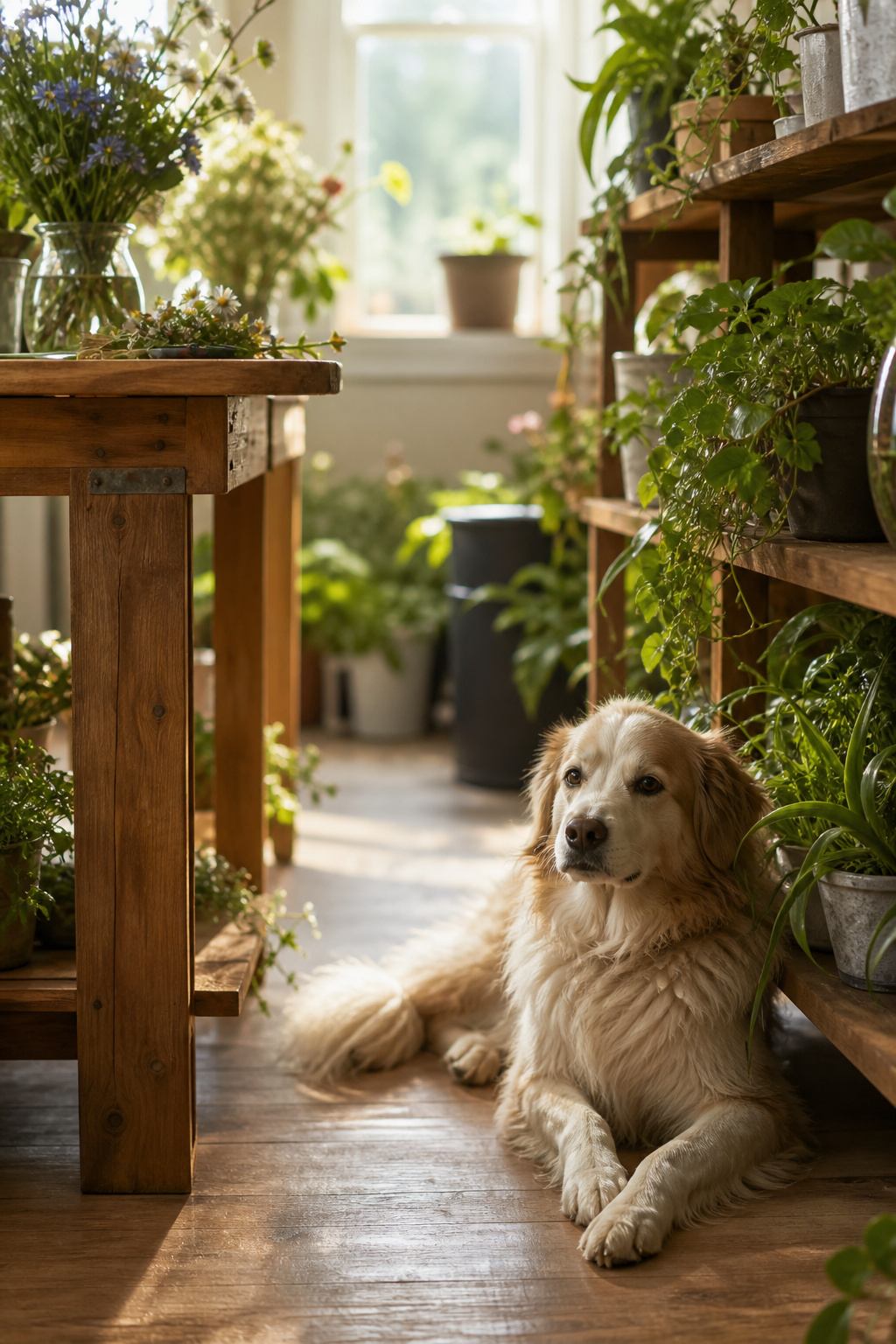
If you’re worried you’ll accidentally bring home the wrong plant, don’t be. Plenty of popular houseplants, lilies, pothos, and philodendron among them, are toxic to cats or dogs, but they’re also well-documented.
If you’re not sure whether a specific plant is safe, the ASPCA keeps a printable list of toxic and non-toxic plants on their site. I still pull it up myself when a customer asks about something I haven’t sold in a while.
Frequently Asked Questions
If the plant is non-toxic, will a small nibble hurt my pet?
No. These eight plants are considered non-toxic by the ASPCA’s own list, so an occasional nibble isn’t cause for concern.
Are all parts of these plants pet-safe, or just the leaves?
All parts, leaves, stems, and blooms, where applicable. That’s different from some plants, where only certain parts are the problem.
Can a non-toxic plant still make my pet sick?
Eating a large quantity of any plant material, even non-toxic material, can cause an upset stomach. Non-toxic means it won’t poison them.
How do I keep my cat from digging in the soil?
A layer of decorative stone or moss on top of the soil works well. It also cuts down on the mess if they do get in there.
Should I keep pet-safe plants out of reach anyway?
It’s not a bad habit. Even non-toxic plants can get knocked over or chewed to pieces, and pots break.
Where can I double-check if a specific plant is safe?
The ASPCA’s toxic and non-toxic plant list is the resource I trust and use myself.
Closing Thoughts
I’ve only touched on a handful of the pet-friendly houseplants out there. These are the ones I’ve sold in the shop for years and know are safe, which counts for more than a list I pulled together without ever growing them myself.
Which one of these are you thinking about bringing home first? Drop a comment and let me know, and I’ll tell you what to watch for with your specific setup.
A house full of green doesn’t have to mean a house full of risk. Pick the right plants, and both your pets and your windowsills come out ahead.
Til next time,