Disclosure: This post may contain affiliate links. If you click and buy, we may earn a commission at no extra cost to you. As an Amazon Associate, we earn from qualifying purchases.
Last Updated: September 2026
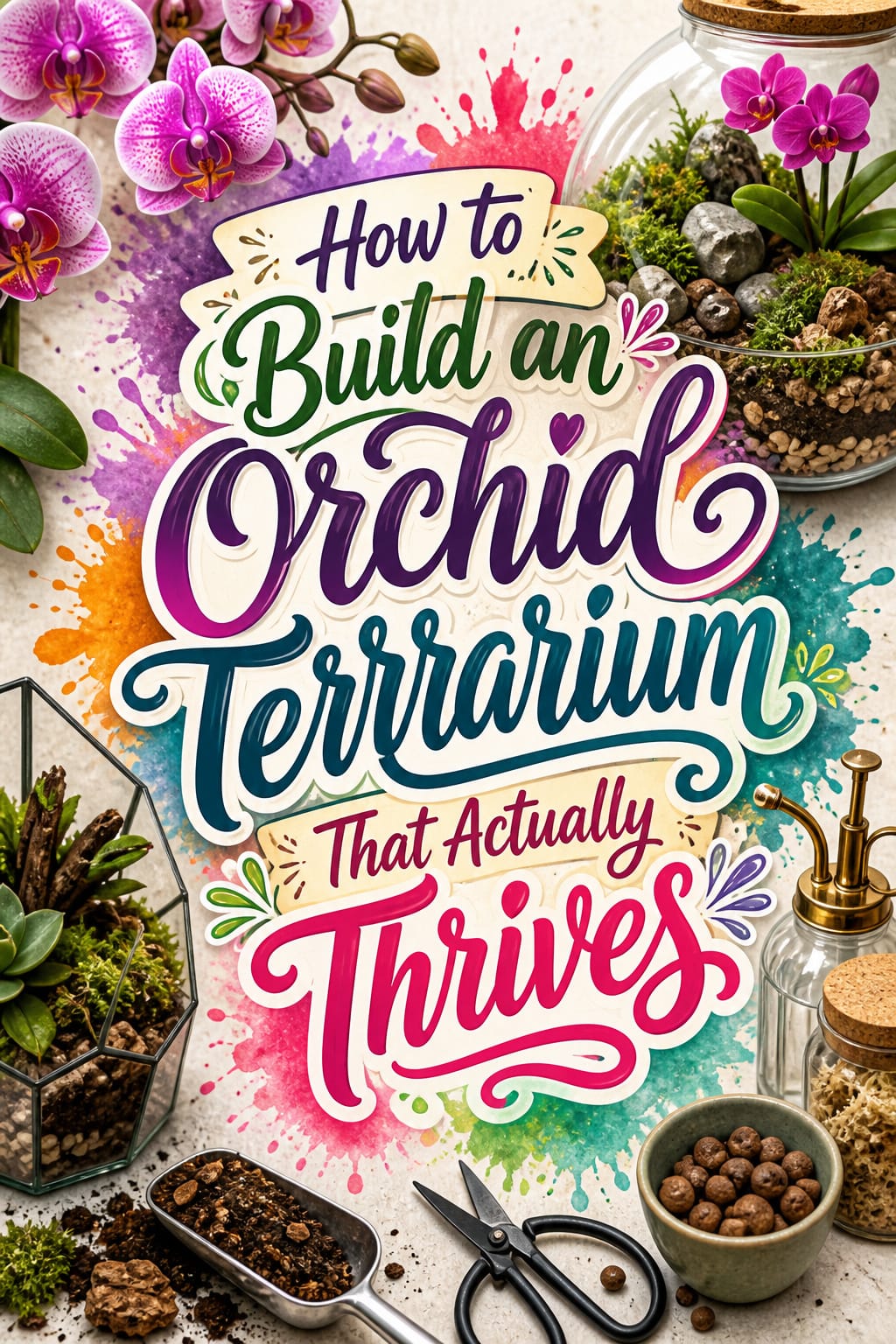
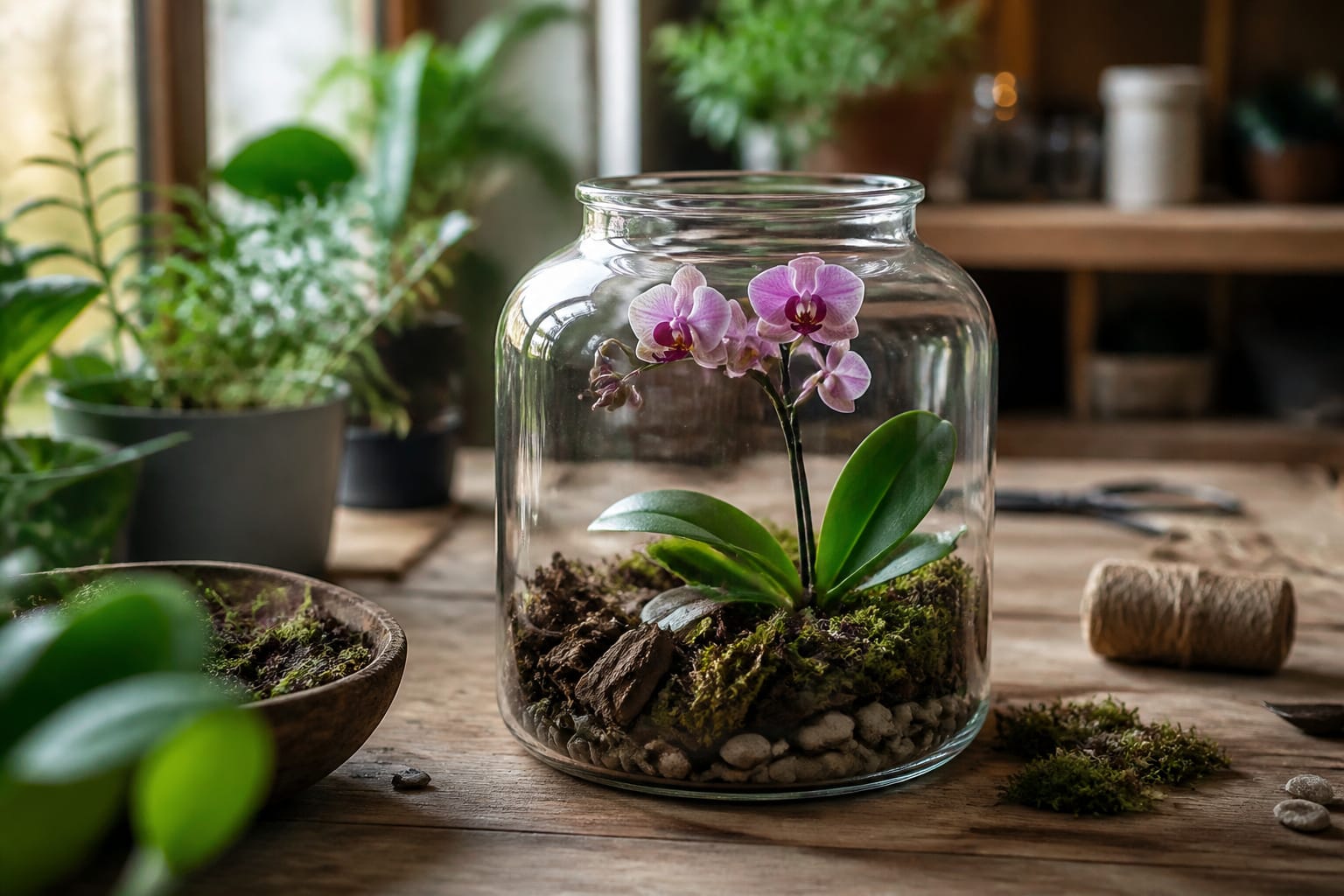
A regular of mine set her phone on the counter last month with a photo pulled up: a tiny orchid tucked into a glass jar, ringed with moss and pale pink foliage. She wanted to know if she could build one herself, or if it needed a greenhouse and a decade of practice.
It doesn’t. I’ve built these in the shop in under ten minutes, and the secret has nothing to do with a green thumb. It’s about what you put the orchid in, not how often you water it.
Start With a Mini Orchid, Not a Standard One
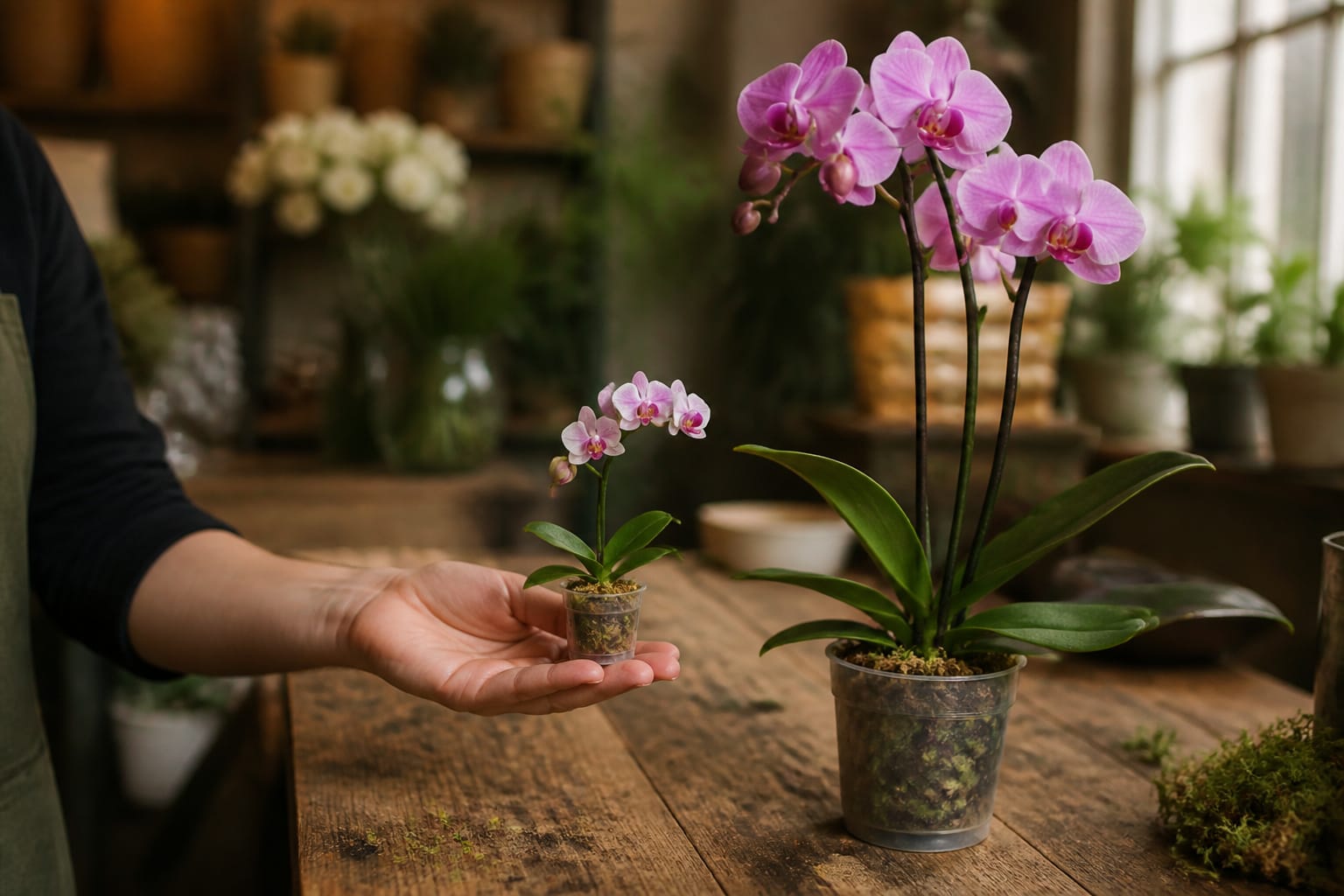
Standard orchids look great on a windowsill, but they outgrow a terrarium fast. Their root systems need more room than a sealed glass container allows, and the leaves will be bumping the lid within a season.
Mini orchid varieties are built for this. Look for a mini phalaenopsis or a compact oncidium at your local garden center or florist. From my perspective, the smaller the orchid starts, the longer it’ll actually fit the home you built for it.
Products Worth Considering

What You Will Get: You will get a beautiful crochet orchid flower. Its overall height is approximately 7.5inches(19cm). The height of the vase is about 3.54inches(9cm), and the flexible iron wire inside the stem enables you to easily adjust the crochet flower to different heights. Therefore, you can customize its appearance according to your space requirements
Arrange on your kitchen counter for a pop of color

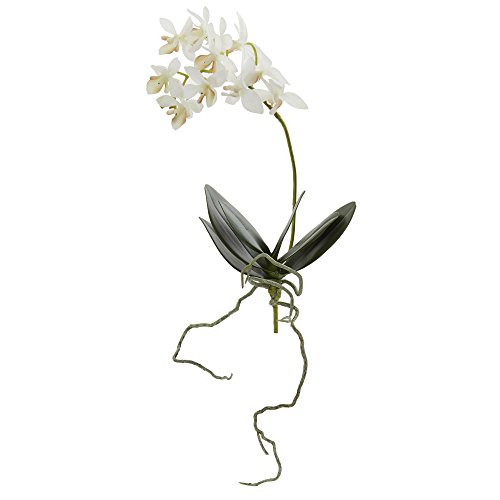
Lifelike Mini Butterfly Orchid Design: Each bunch features beautifully crafted silk butterfly orchid flowers with delicate petal layers and natural veining, paired with realistic phalaenopsis-style leaves. The soft yet vibrant appearance mimics the elegance of real orchids, bringing a touch of tropical beauty to any space.
Skip the Soil, Use Orchid Bark Instead
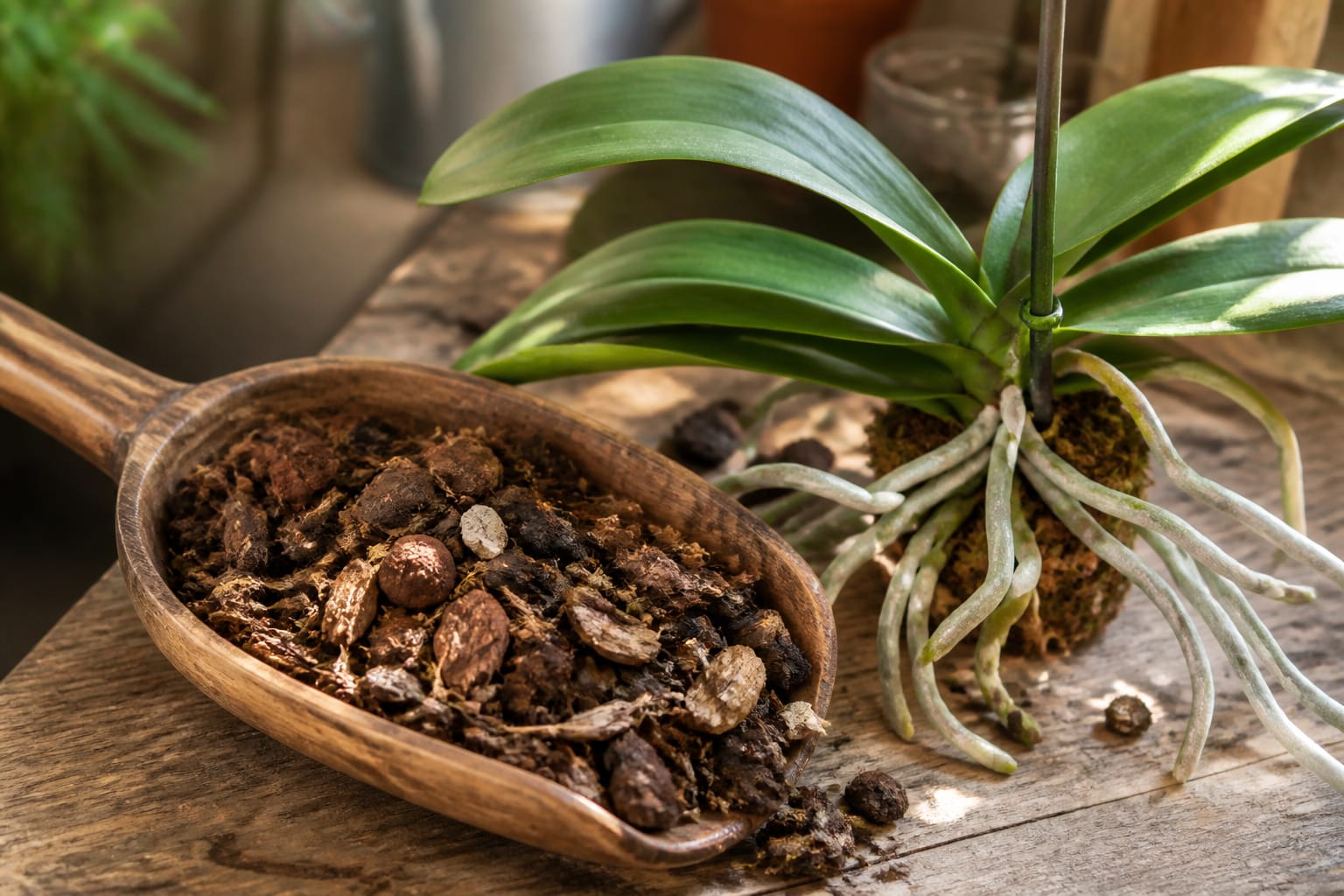
Regular potting soil holds water tight against the roots, and orchid roots rot fast when they sit in that kind of moisture. In my experience, that’s the single biggest reason a DIY orchid terrarium fails in the first month.
Orchid bark solves the problem. It’s chunky enough to drain and breathe, so the roots stay surrounded by humidity instead of sitting in standing water.
Leave the aerial roots exposed. Those silvery roots reaching up and out of the bark aren’t a mistake to bury. They’re doing their job, pulling humidity straight from the air inside the terrarium.
Products Worth Considering

Natural product made from the ground bark of fir trees

Orchid Potting Bark: This natural Douglas Fir tree bark has a pH that makes it an ideal potting medium for orchids, allowing for great oxygenation and drainage so that the orchid's roots have constant access to water and oxygen
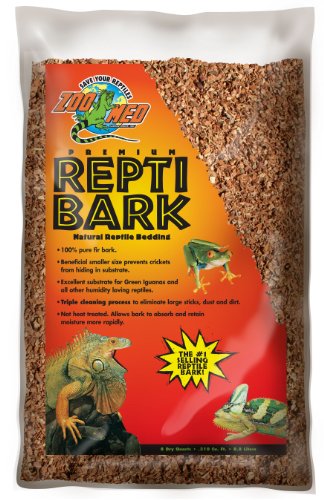
Reusability: This substrate can be washed and used multiple times, providing long-term value for your terrarium setup
Layer It From the Bottom Up
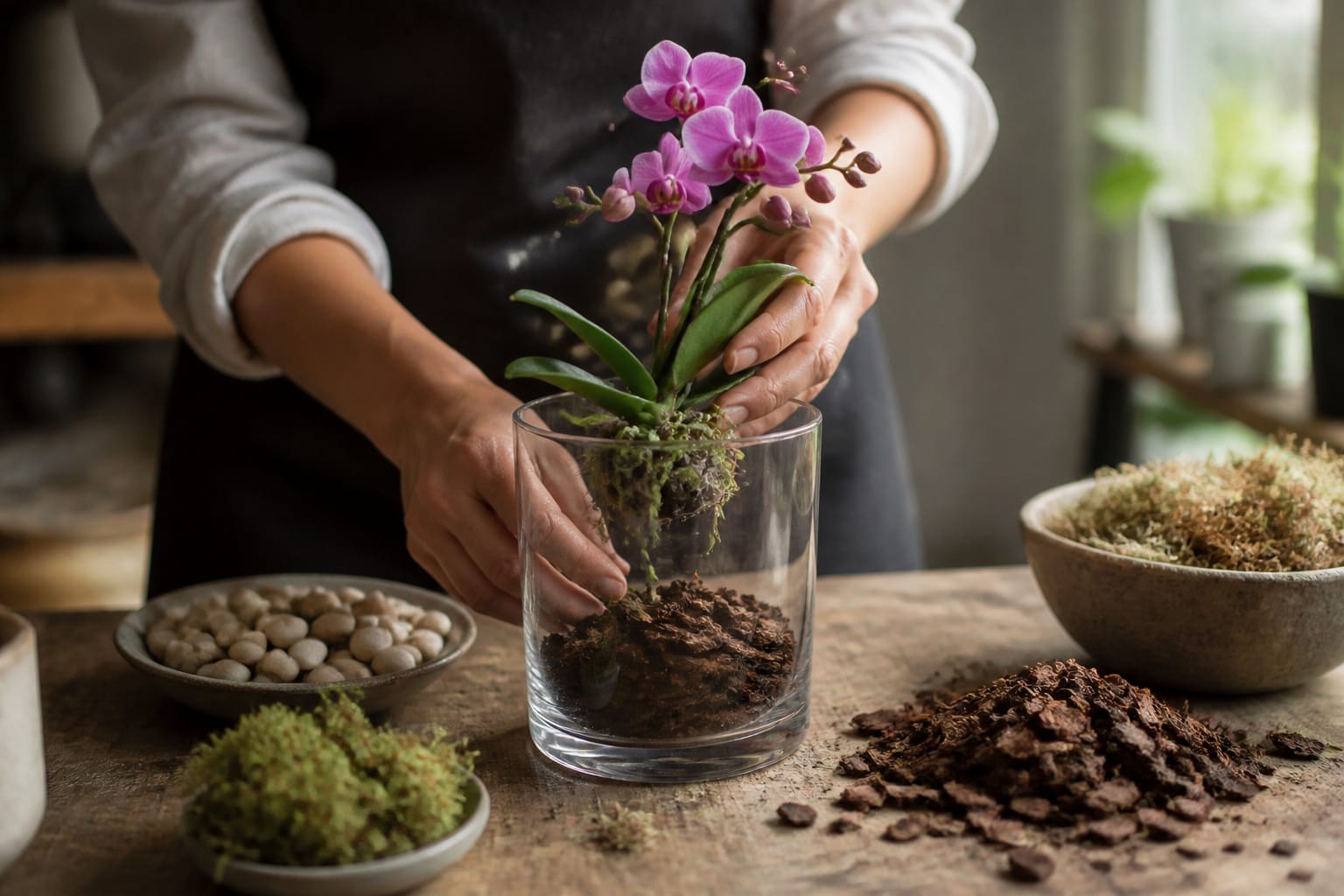
Start with a base layer of bark in the bottom of your glass container. Think of it as a nest, not a bed. It’s there to dampen moisture, not soak it up.
Set the mini orchid into the bark and turn it until its best angle faces out. Fill in around the stem with more bark to hold it steady, while still leaving plenty of room for air to move around the roots.
I built one this way in a plain cylinder vase for the shop counter last fall, with a handful of decorative pebbles and a little moss tucked around the base. It took less time than writing this article.
Give It a Lid to Hold the Humidity In
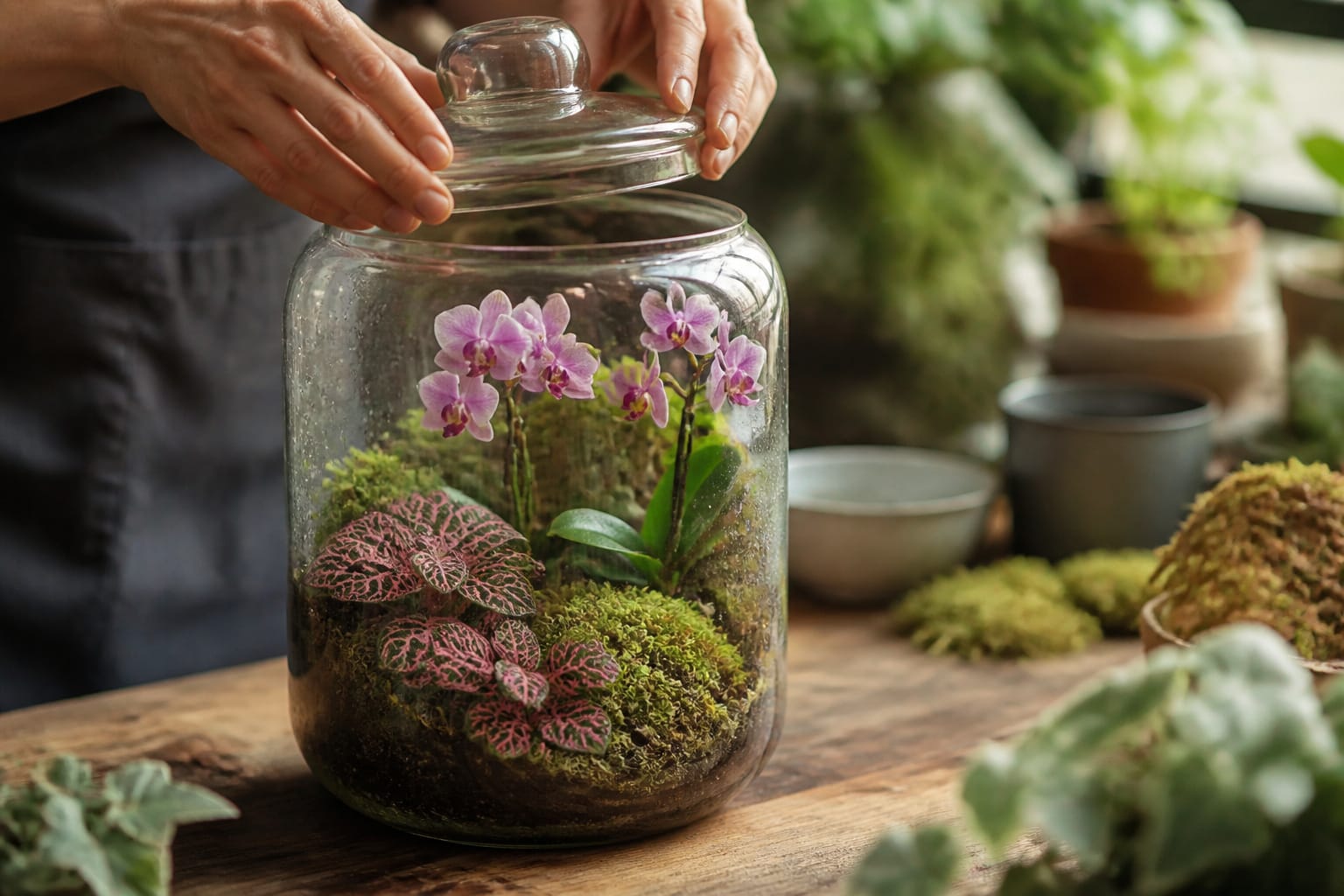
Once it’s planted, cap the jar with a lid, or cover an open arrangement with a glass cloche. That’s what actually turns a planted jar into a terrarium. It traps the humidity the orchid needs instead of letting it evaporate straight into the room.
If you’re worried that a foggy jar means you’re killing the plant, don’t be. A light haze most mornings just means the humidity is doing its job. Crack the lid if it gets heavy enough to block the light, or if you notice water pooling at the bottom.
For the finishing touch, match your orchid’s bloom color to the foliage around it. A pink fittonia planted at the base pulls the whole look together if your orchid is running pink or white.
Here’s a short video showing the complete process.
Products Worth Considering
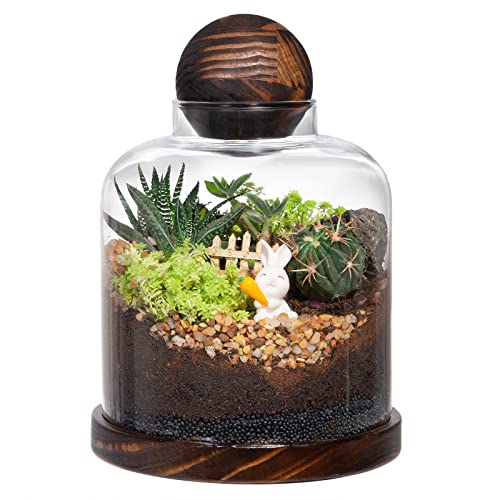
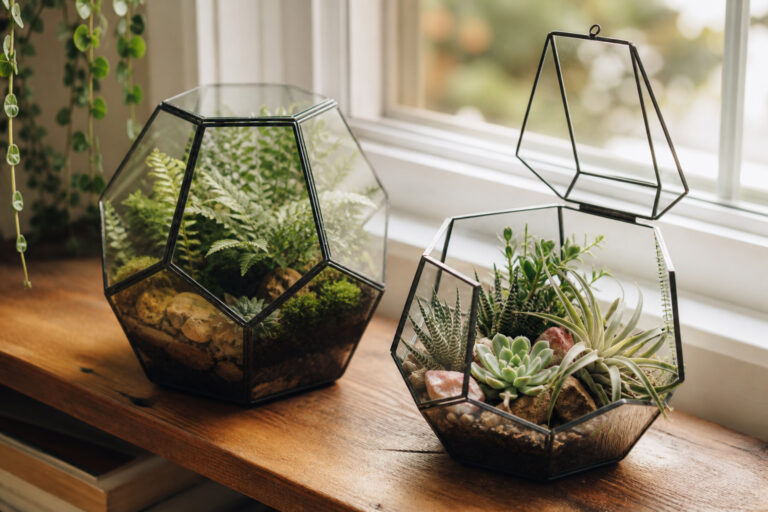
Large Glass House Terrarium-- Made of premium quality, smooth, transparent, beautifully shaped glasses.

This large plant terrarium is house shape design,have beautiful black accent and ventilation,with its soft line design, like garden windows of the house,nice on the centerpiece of your table.

Different from other glass terrarium,this large plant terrarium have a brass tray with four little wheels,easy move to anywhere you like.moreover,this brass tray have a additional thin plastic bottom inside, can completely waterproof,keep your home clean and beautiful.
What I Use in the Shop
- Orchid bark potting mix: it’s the one ingredient that actually matters here, so I don’t cut corners on it.
- A simple glass cloche: easier to lift off for maintenance than a jar with a narrow neck.
- Decorative pebbles and moss: finishes off a cylinder-vase build in about a minute.
If you’re new to enclosed plant displays, my full guide to building and caring for open and closed terrariums covers the basics that apply beyond just orchids. If the orchid needs attention before it goes anywhere near a terrarium, my orchid care guide walks through watering, light, and getting it to rebloom.
Pairing succulents or air plants nearby instead? My succulent display ideas post covers ways to group small plants without it looking cluttered.
Frequently Asked Questions
How often do I water an orchid terrarium?
Less than you’d think. A lidded terrarium recycles most of its own moisture, so a light mist once a week is usually enough. Check the bark first. If it’s still damp, wait.
Does refrigerating the orchid extend its bloom?
Not in a terrarium setup, and not really the point here anyway. Refrigeration slows cut flower opening. A potted orchid wants steady warmth and humidity, not a chill.
What size container works best for a mini orchid?
One that the orchid can grow into for a year or two without crowding the glass. A jar or cylinder vase in the six- to eight-inch range is the sweet spot for most mini varieties.
Do orchid terrariums need direct sunlight?
No, and direct sun through glass can actually scorch the leaves. Bright, indirect light near an east-facing window is best.
How do I keep the roots from rotting?
Bark instead of soil, and a nest instead of a packed pot. Those two habits solve most rot problems before they start. If roots do turn brown and mushy, pull the plant, trim the bad roots, and repot into fresh bark.
Can I mix other plants in with the orchid?
Yes, as long as they share the same humidity levels. Fittonia, moss, and small ferns all pair well. Skip succulents in the same enclosure. They want dry air, and an orchid terrarium is the opposite.
Closing Thoughts
Building an orchid terrarium isn’t complicated once you get the bark and the lid right. Those two things do more work than anything else on this list.
What’s been the trickiest part for you, tracking down a mini orchid or dialing in the humidity? Drop it in the comments. I read every one.
Begin with the bark, get the humidity right, and I don’t doubt your little glass garden will bloom with the rest of your collection.
Til next time,