Disclosure: This post may contain affiliate links. If you click and buy, we may earn a commission at no extra cost to you. As an Amazon Associate, we earn from qualifying purchases.
Fall cut flowers get a bad reputation they don’t deserve. Most of the time, it isn’t the flower that’s failing you. It’s the room.
Every year around this time, the same thing happens in homes across the country. The temperature outside drops, the furnace kicks on for the first time since spring, and the air inside gets bone dry. Mums, dahlias, asters, and everything else you bring home to celebrate the season are suddenly working twice as hard just to stay hydrated.
I get some version of the same question every fall: “I just bought these a few days ago, why are they already drooping?” The flowers usually aren’t the problem. The season is. Here’s how I keep fall arrangements looking sharp instead of watching them fade on a mantel by Wednesday.
Why Fall Cut Flowers Struggle More Than You’d Expect
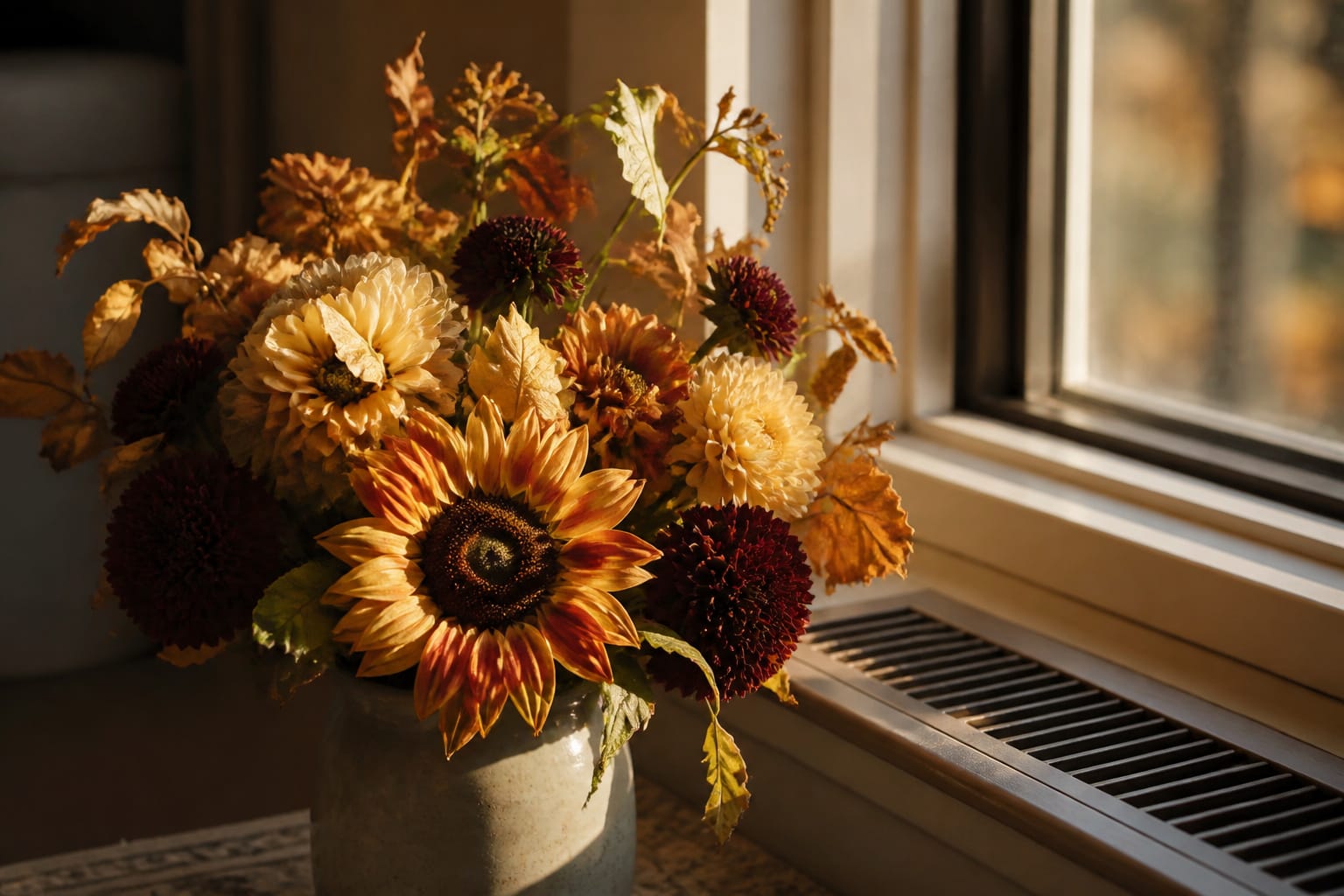
Summer flowers deal with heat, but at least the air holds some moisture. Fall flowers deal with a different kind of stress: dry, forced-air heat that pulls water out of petals faster than the stem can replace it.
Add in shorter days and less natural light, and a lot of fall arrangements end up parked next to a lamp or a heating vent without anyone thinking twice about it. That combination, dry air plus a heat source, is the single biggest reason fall bouquets underperform compared to what the flower is actually capable of.
What I’d do: before I build an arrangement for a fall order, I ask the customer where it’s going to sit. A mantel above a working fireplace or a spot next to a floor vent changes which flowers I use and how I condition them going in.
Cut and Condition Every Stem Before It Ever Sees a Vase
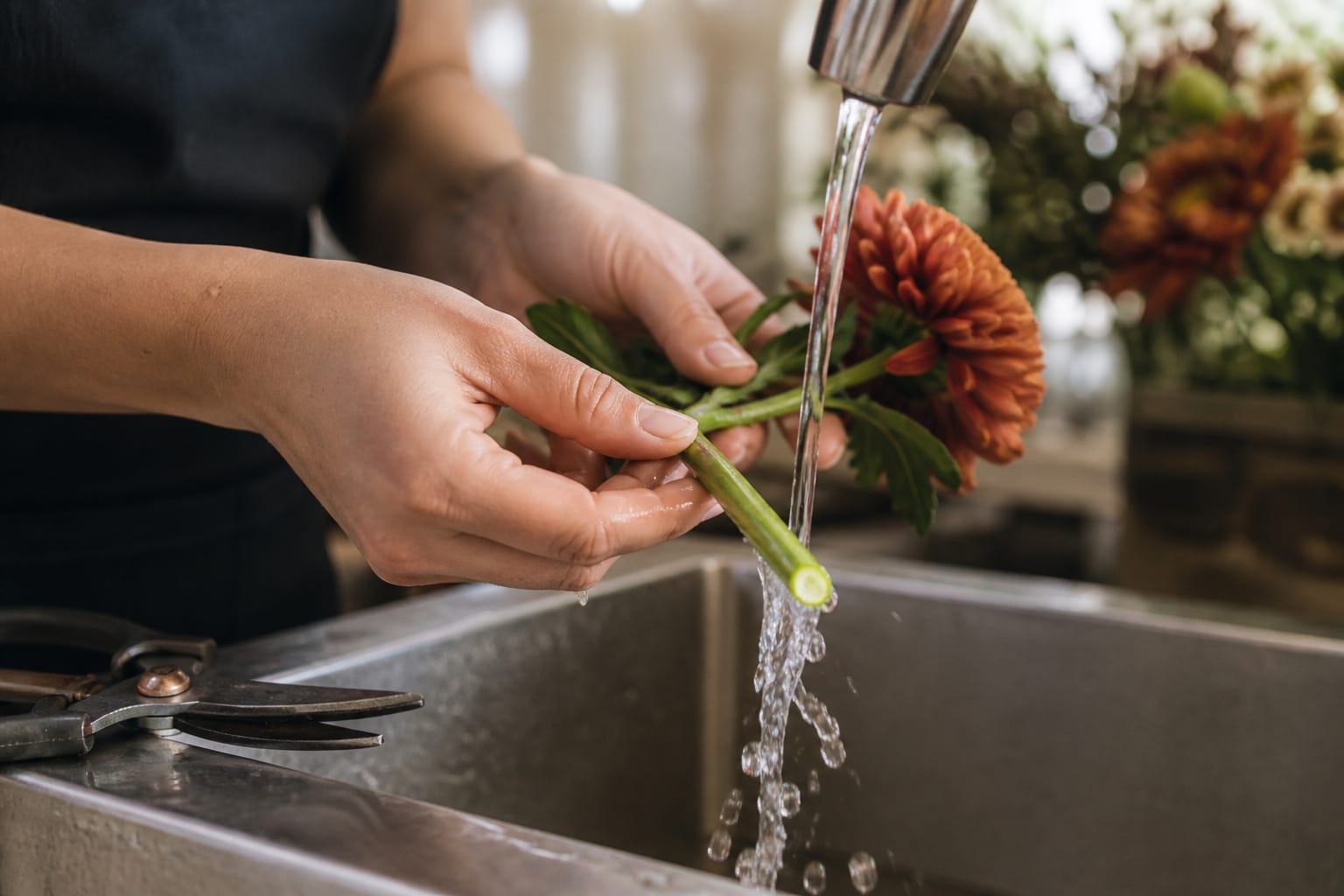
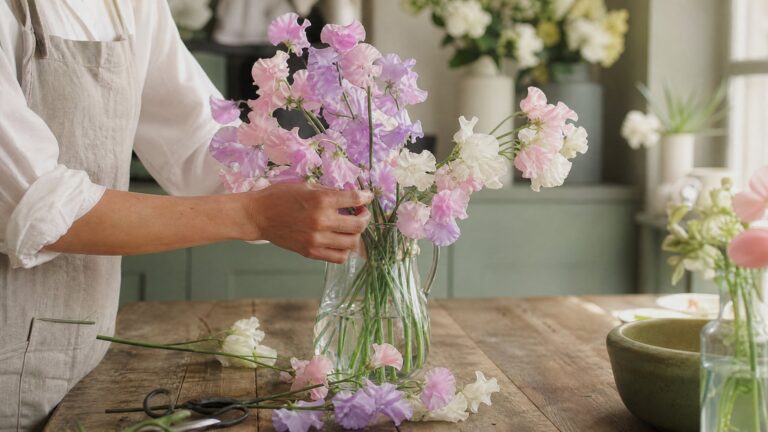
This step gets skipped more than any other, and matters most. Recut every stem at a 45-degree angle before it goes in water, under running water if you can.
A crushed or torn stem end can’t take up water efficiently, no matter how fresh the flower behind it is. Strip any foliage that would sit below the waterline too. Submerged leaves rot fast, and rotting leaves dump bacteria into the water, which is the number one reason cut flowers die early.
What I use in the shop: a sharp pair of floral shears makes a cleaner cut than kitchen scissors ever will, and a clean cut is what lets the stem drink properly in the first place.
Products Worth Considering

Set Included: This package contains 4 pack of floral scissors with a protective blade cover to ensure safe storage and prevent accidental cuts when not in use. Multiple tools for various flower arranging tasks to your gardening activities
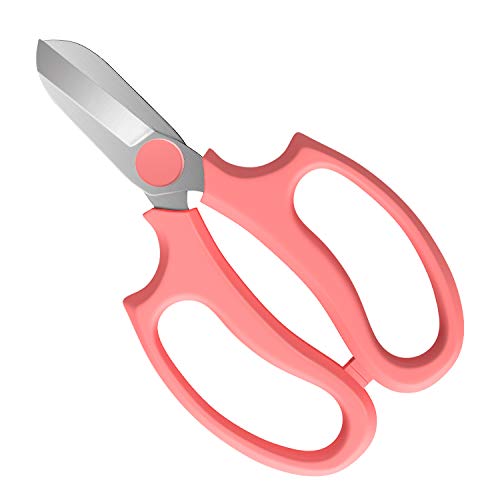
Sturdy Blade Material: Constructed with high-quality alloy steel, these flower scissors ensure long-lasting durability and efficient cutting performance for your gardening needs

GARDENING ESSENTIAL: Small bypass blade design of Fiskars Floral Pruner has a cut capacity of 1/2 in. and is ideal for light pruning, deadheading & working with cut flowers and floral arrangements
Feed and Refresh the Water Like You Mean It
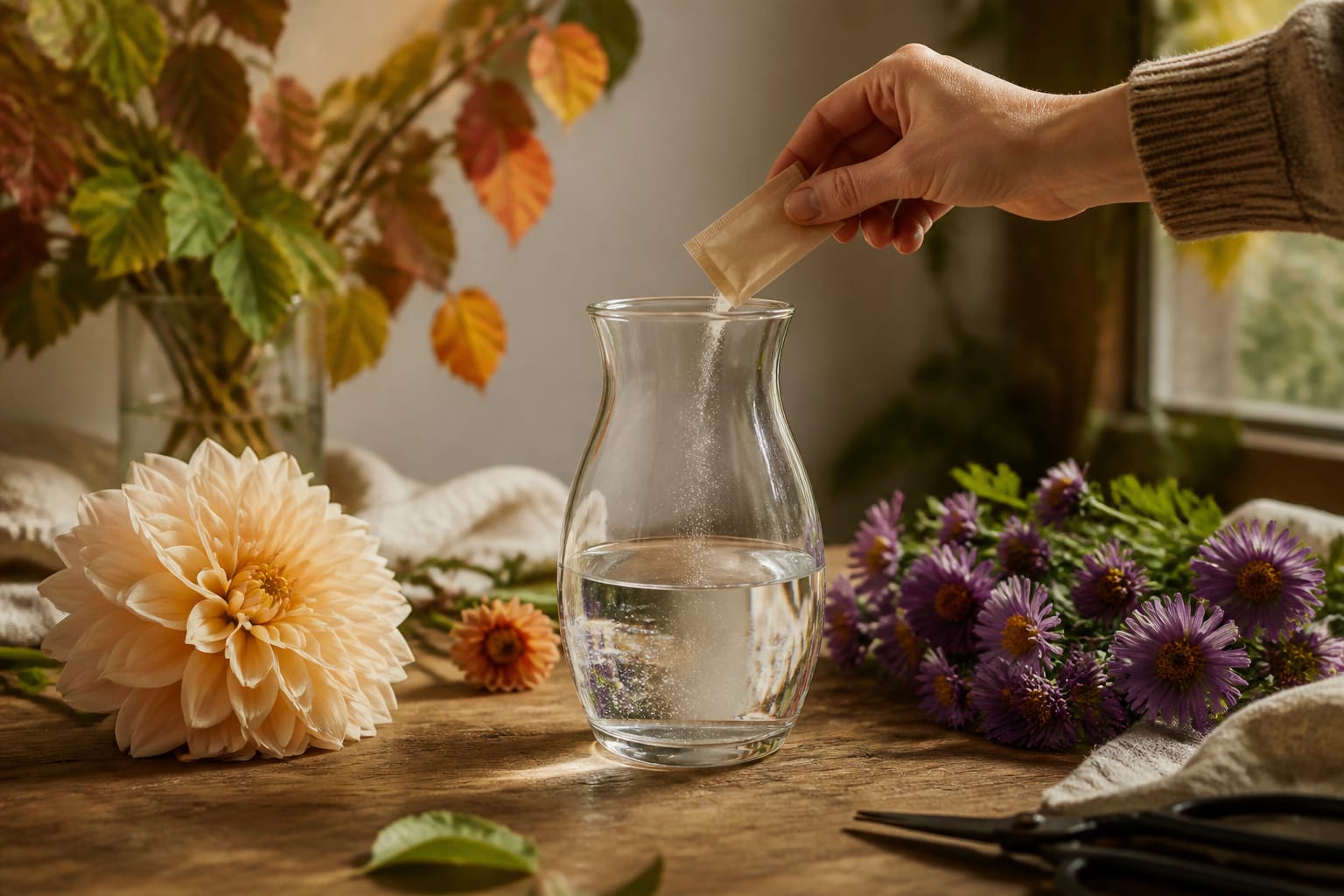
Plain water isn’t doing your flowers any favors. Flower food is a mix of sugar to feed the bloom, an acidifier to help the stem take up water, and an antibacterial agent to keep the water clean. Skip it, and you’re working with one hand tied behind your back.
Change the water completely every two to three days rather than just topping it off, and recut the stems each time. A full water change resets the clock on bacteria buildup in a way that topping off never will.
What I use in the shop: a packet of flower food in every vase, mixed according to package directions. Don’t eyeball it. Too little and you lose the benefit; too much and you can actually damage the stems.
Products Worth Considering

More Life for your Fresh Flowers: Make your Flower Last Longer with Chrysal Clear cut flower food packets. These are the perfect solution to extend the vase life of your cut flowers. Chrysal flower food for fresh cut flowers is an essential item for any florist or flower enthusiast.

FLOWER FOOD: Just like us, fresh-cut flowers need to eat!! Feed them the right nourishment and they stay fresh, vibrant, and looking fabulous.
Know Your Fall Regulars: Quick Care Notes for the Season’s Go-To Flowers
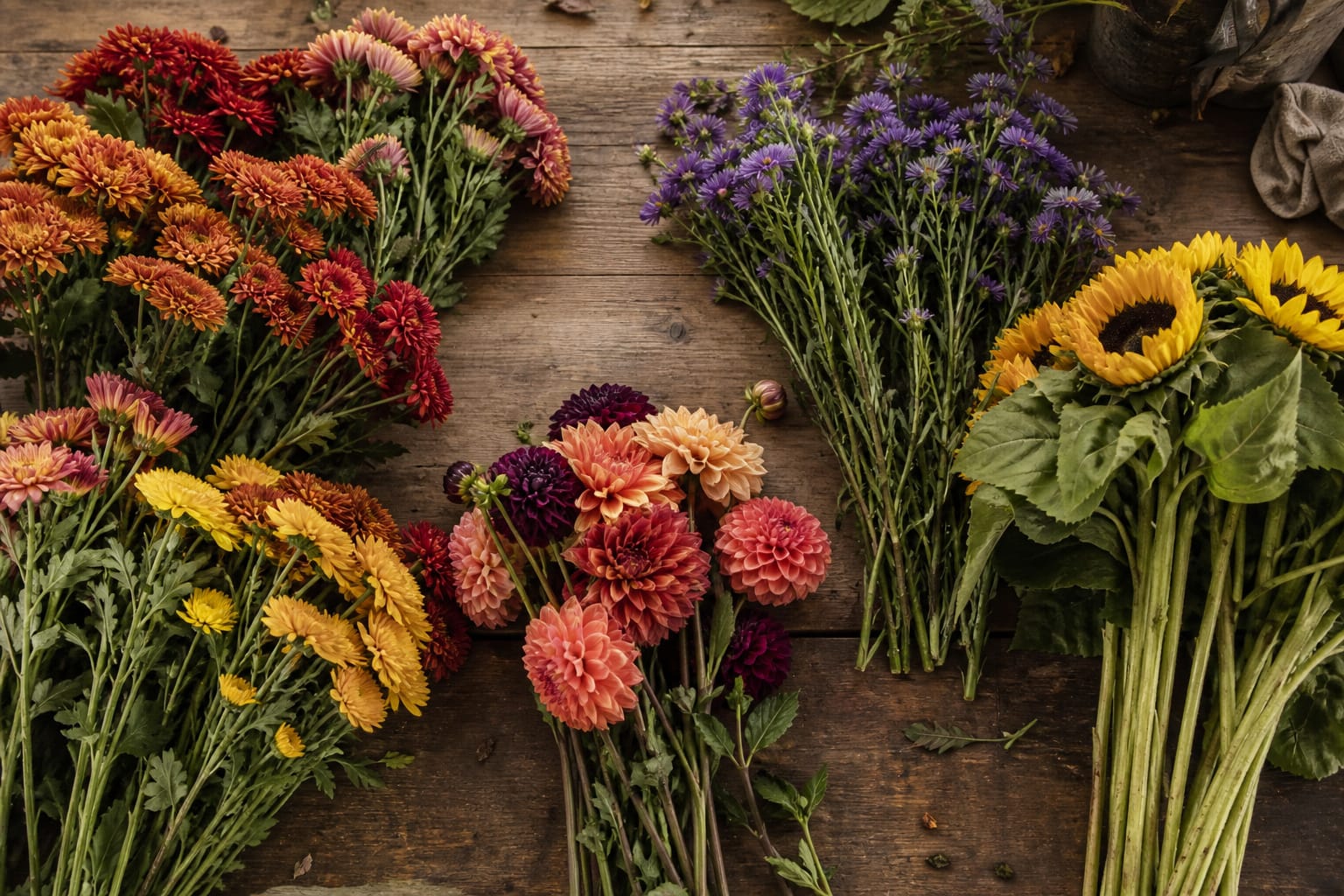
Not every fall flower behaves the same way once it’s in a vase. A few quick notes on the ones I see most often this time of year:
- Mums are the workhorse of the season. They hold color and shape for a week or more, even in a warm room.
- Dahlias are gorgeous but shorter-lived than mums. Plan on five to seven days, and treat them as accents you’ll be replacing partway through.
- Asters are nearly as tough as mums, but their thinner stems foul the water faster, so they need more frequent water changes.
- Sunflowers hold up well with proper conditioning, but the heavy heads need a sturdy, well-weighted vase or they’ll tip.
If you want a deeper look at what’s available this time of year and how to shop for it by color and mood, I put together a full florist’s guide to fall flowers that covers the whole palette.
Products Worth Considering

Unique Vases: This glass vase is made by solid translucent glass and coated with glossy to ensure durable and glamorous in the same time. The clear glass vase will absorb the color of the flowers, making the vase colorful. (NOT INCLUDE FLOWERS)
【High-Quality & Colorfast Material】Made from premium nylon, our fake moss is odorless, breathable, waterproof, and reusable,won't wilt, without fading,needs no watering, perfect for long-lasting green decorations.

【Flower Food Alternative】This copper charm naturally releases trace copper ions, help keep slime from building up in your vase water. Keep fresh cut flowers vibrant longer in vase water, and keeps the water clean. Copper charm keeps flower water clean
Give the Arrangement a Spot That Isn’t Working Against It
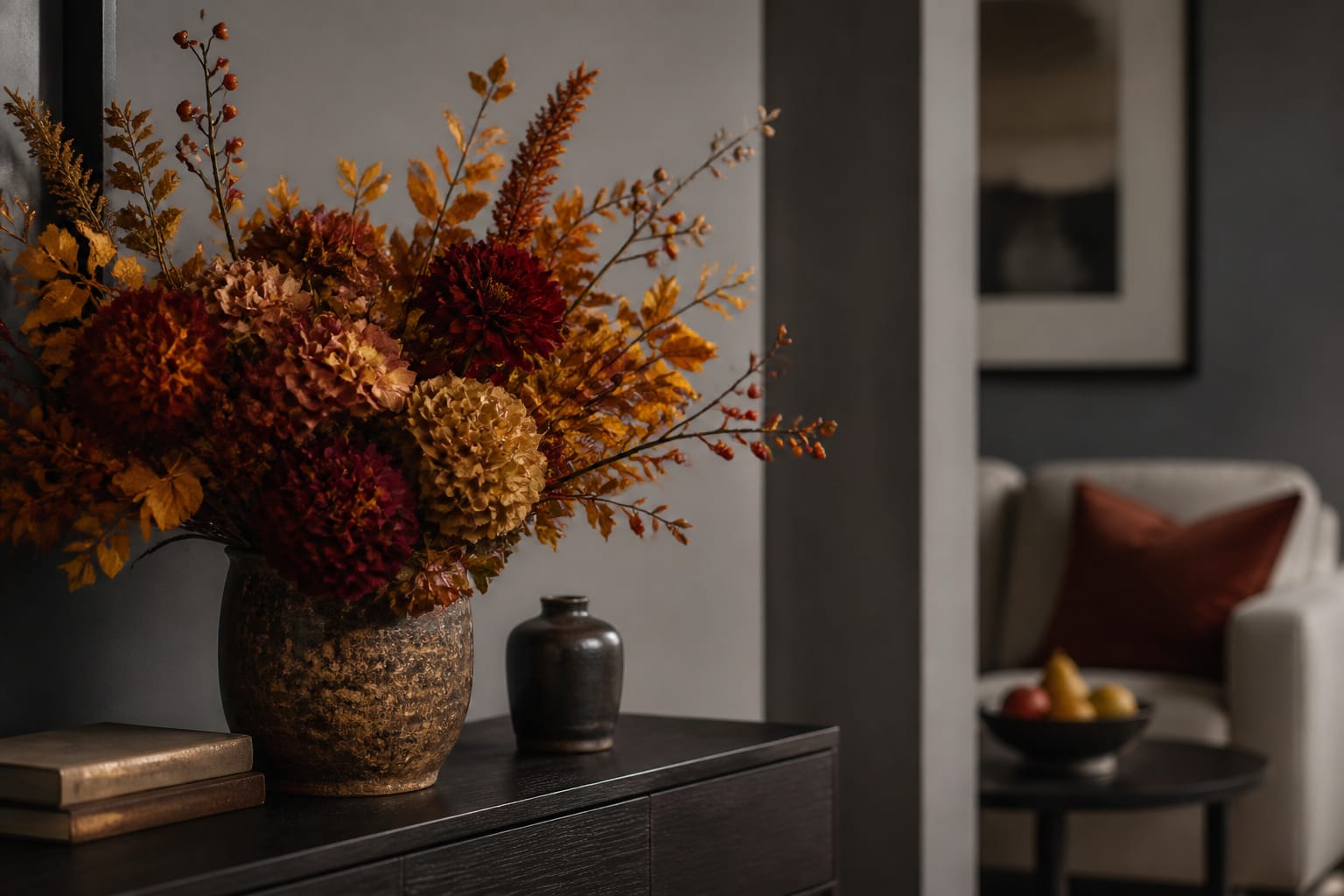
Where you place a fall arrangement matters almost as much as how you cared for it going in. Keep it away from heating vents, direct afternoon sun, and a bowl of ripening fruit, apples and pears especially. Ripening fruit releases ethylene gas, and ethylene speeds up a flower’s decline more than most people realize.
A cool spot out of direct light will outlast a “prettier” spot every time. If you’re building something for a mantel this season, I’ve got placement tips specific to that space in my fall mantel styling guide.
Stretch an Arrangement Through a Multi-Day Stretch of Company
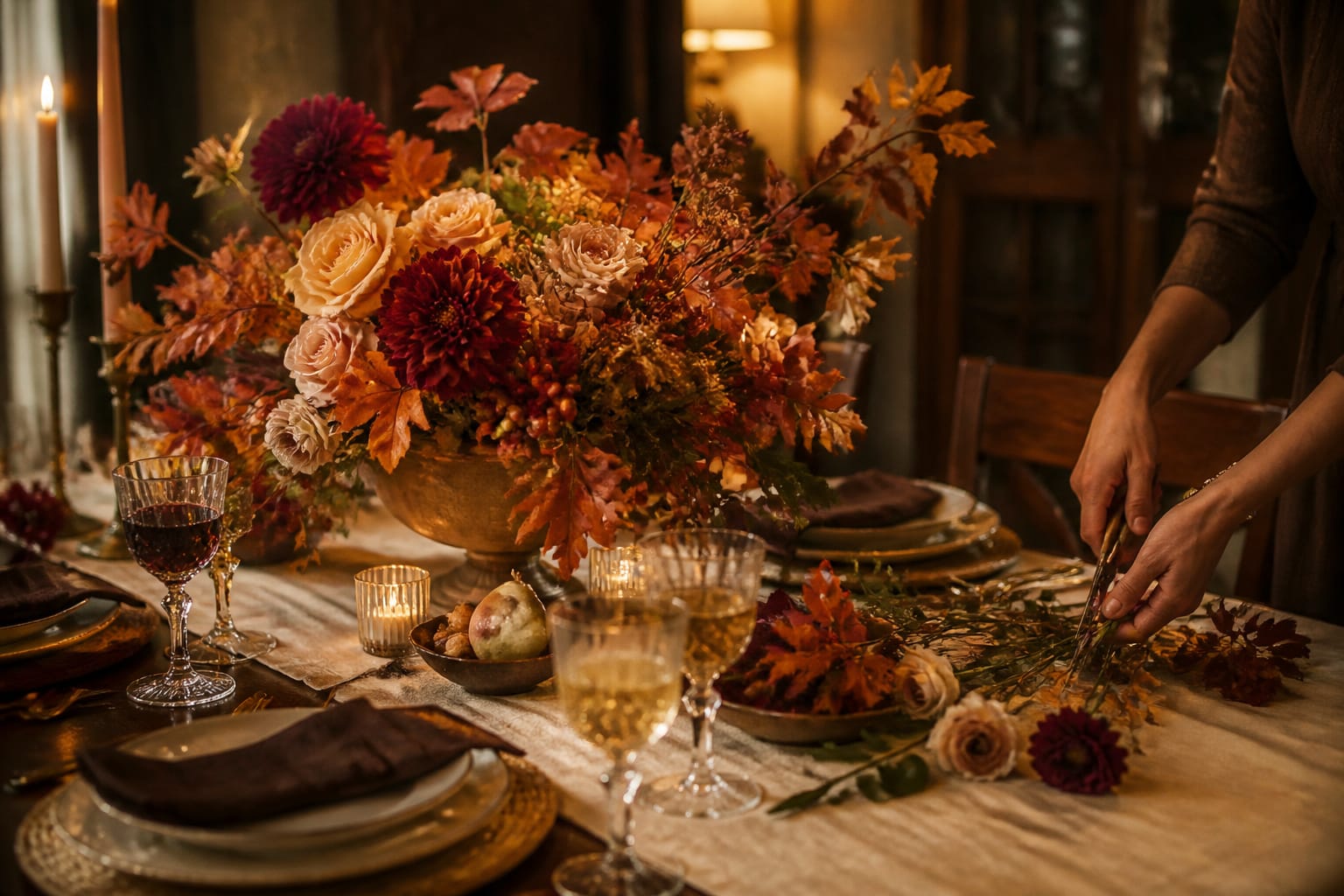
Fall is full of stretches where one arrangement needs to survive more than a single event, a Friendsgiving on Saturday and the real thing the following week, say. Recutting stems and changing the water is worth doing again mid-week even if nothing looks wrong yet.
If a stem or two starts to droop before the rest, don’t panic and don’t scrap the whole arrangement. Pull the tired stems, recut them, and give them a few hours alone in fresh water off to the side. Half the time they come back enough to go right back in.
I’ve never met a mum that couldn’t outlast a house full of relatives.
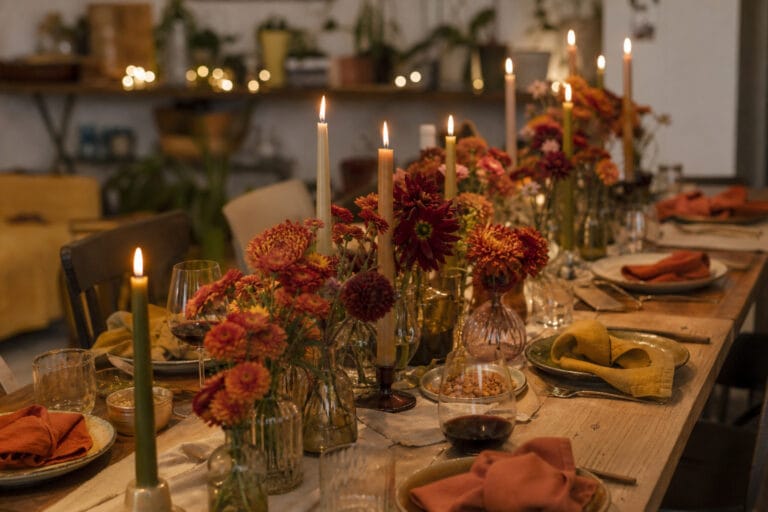
If you’re setting a table for the holiday itself, I walk through building something that holds up over several courses in my Friendsgiving decor guide, and the same recut-and-refresh routine applies there too.
Frequently Asked Questions
How long do fall cut flowers typically last?
It depends on the flower. Mums and asters can go a week or more with good care. Dahlias run shorter, closer to five to seven days, even when everything is done right.
Can I reuse flower food from a previous vase?
No. Mix a fresh batch every time you change the water. Old solution loses its effectiveness and can actually feed bacteria instead of fighting it.
Do fall flowers need less water because it’s cooler outside?
No, and this trips people up every year. What matters is the temperature and humidity inside your house, not outside. A heated room in October can be as hot as a room in July.
What’s the biggest mistake people make with fall arrangements?
Parking them near a heat source without thinking about it. A mantel above a working fireplace, the top of a radiator, or a table under a floor vent will shorten vase life no matter how well the flowers were conditioned going in.
Closing Thoughts
None of this is complicated. Cut it right, feed it right, and keep it away from the furnace vent, and a fall arrangement will hold up just fine through the season’s stretch of gatherings and gray afternoons.
Tell me in the comments: which fall flower gives you the most trouble once it’s indoors for the season?
Fall asks more of a cut flower than any other season does. Give it a clean cut and clean water, and it’ll hold its own against the whole heating season.
Til next time,