Disclosure: This post may contain affiliate links. If you click and buy, we may earn a commission at no extra cost to you. As an Amazon Associate, we earn from qualifying purchases.
Last Updated: July 7, 2026
A bride came into the shop a few weeks before her wedding with a photo on her phone. Big, ruffled roses, nothing like the tight buds sitting in our cooler. She asked what variety they were. They weren’t a variety at all. They were regular garden roses that had been reflexed.
Reflexing isn’t new. Florists have used it for years, and it’s had a resurgence lately thanks to all the wedding bouquet photos floating around social media. Reflex a rose and it turns into a larger, fuller-looking bloom. Reflex a tulip and you get an entirely different flower shape.
This short video shows the technique in action. Watch it, then I’ll walk through the details below.

Now try it yourself on a few petals. It takes less practice than you’d think.
How to Reflex a Rose, Step by Step
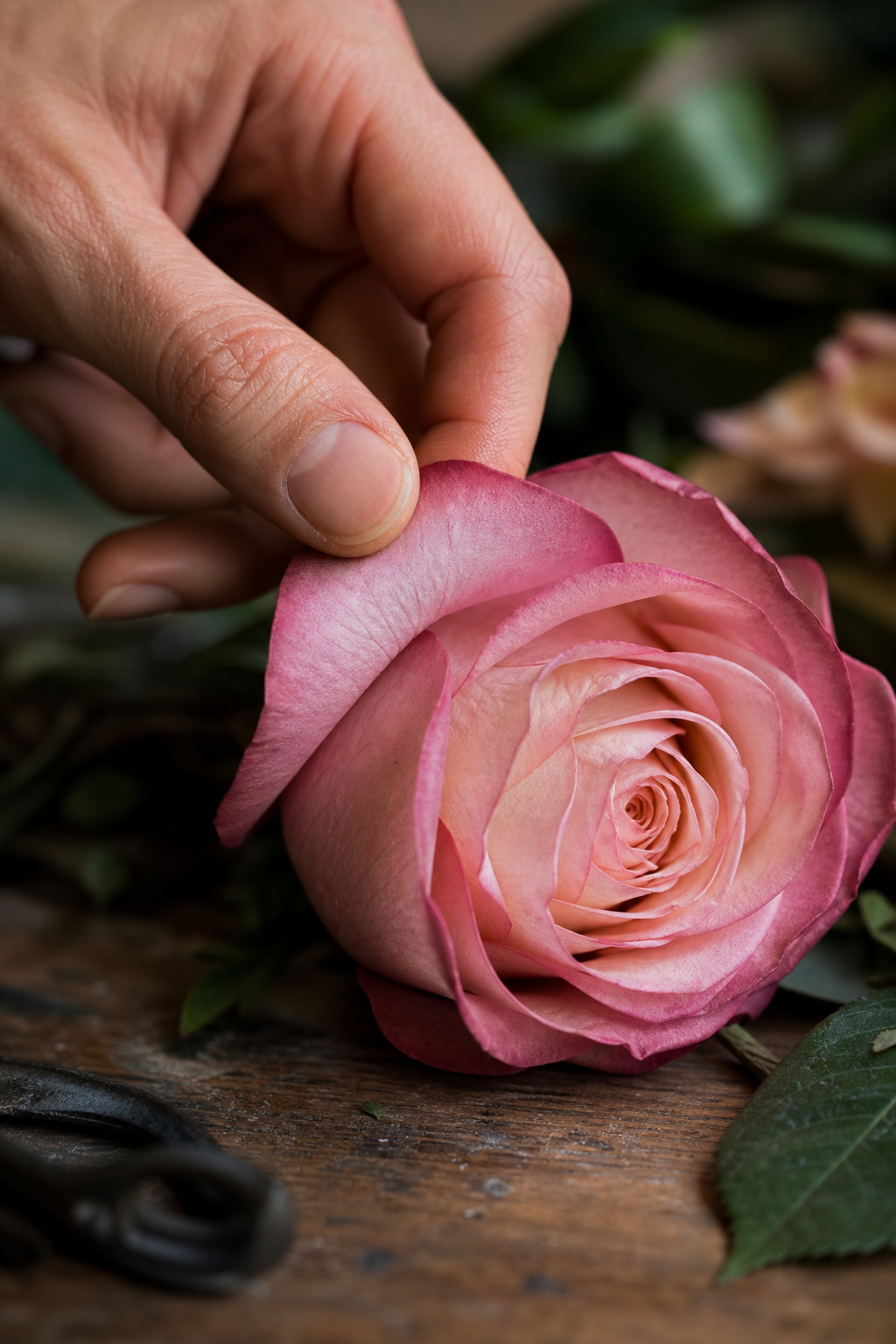
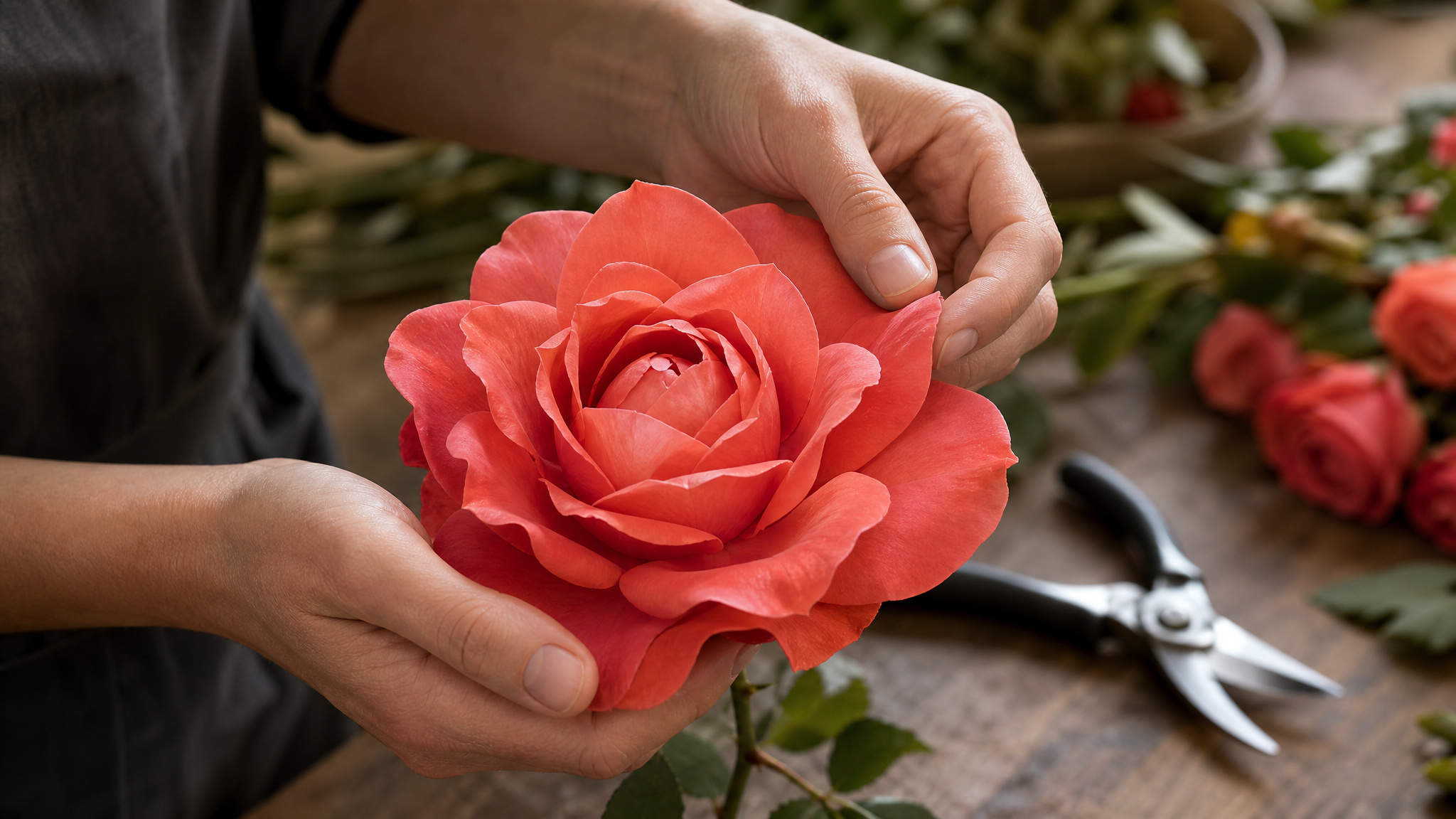
Work from the outer petals toward the center of the bloom. Gently turn each petal back on itself. Keep going, petal by petal, until the rose has the open, layered look you’re after.
The rose needs to be at room temperature before you start. Petals straight out of the cooler are stiff and crack rather than bend. Give them time to warm up first.
If you’re worried about tearing petals, don’t be. A little cracking on the outer guard petals is normal and won’t show once the flower is in an arrangement. Those outer petals get pulled off anyway on most roses.
The same method works on any flower with layered petals. Once you’ve done it on one rose, you’ve done it on all of them.
Why I Reach for Reflexed Flowers in the Shop
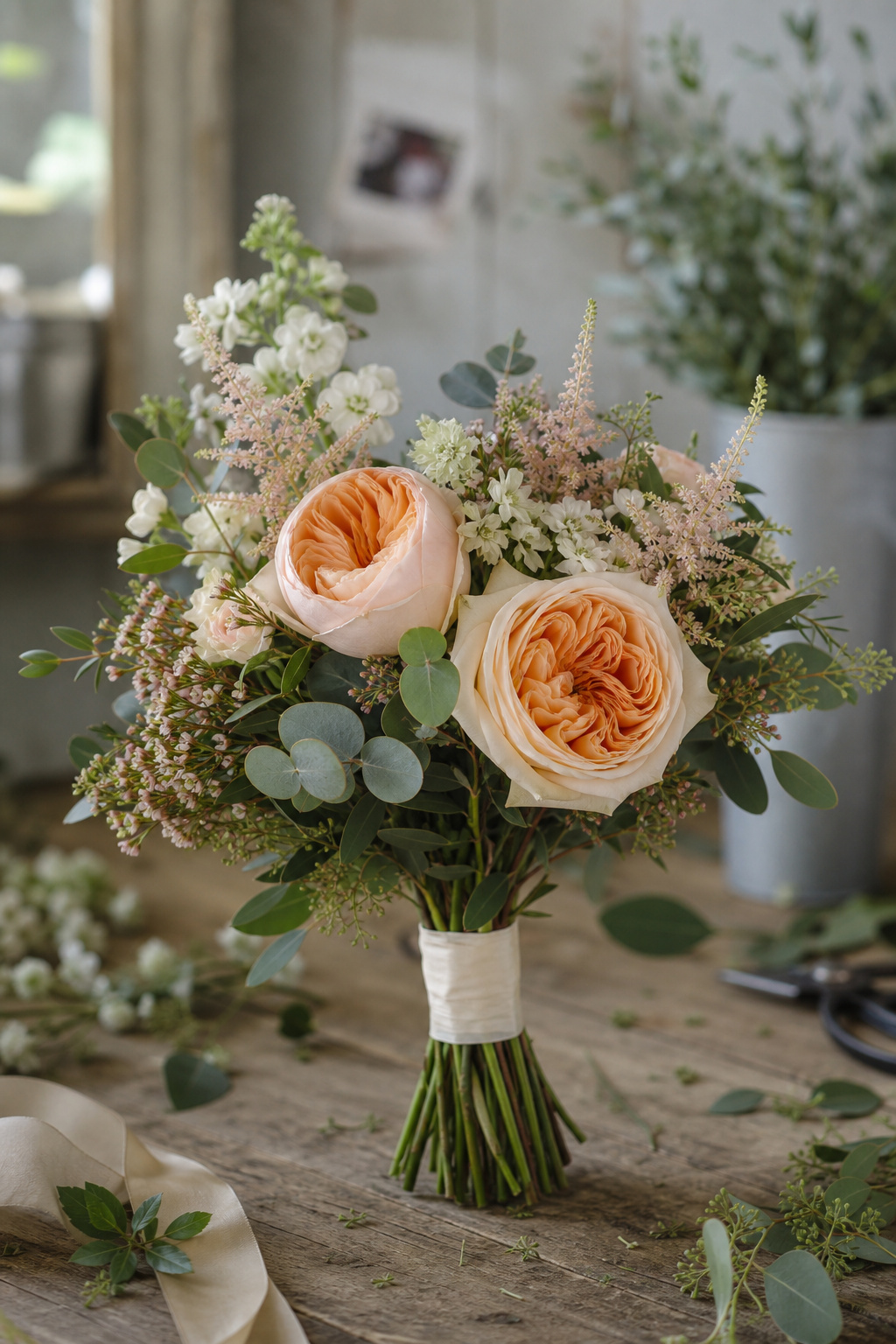
Reflexing earns its keep in two ways. It adds a high-value look to a design, and it can reduce the number of stems you need, lowering the cost of an arrangement or bouquet.
The tradeoff is time. Reflexing a dozen roses takes real minutes, and those minutes get baked into the price of the arrangement. That’s why I use it selectively, not on every stem.
In my shop, reflexed roses show up most often in wedding bouquets, corsages, and boutonnieres, and only when the design calls for it. I’ve built a full reflexed-rose bouquet for customers who asked for that exact look, but I rarely reflex every rose in an arrangement. It stops looking like a flower and starts looking like a craft project.
Where it really earns its spot is as a focal flower in a wedding bouquet. One or two larger, reflexed roses can anchor a design without adding more stems. It’s also a nice detail for a corsage or boutonniere, where a single reflexed bloom does the work of a bigger flower.
Quick Tip: Shorter-stemmed grocery store roses, usually 40cm to 50cm, come with a smaller bloom. Reflex a handful of them and you get a “wow” factor at no extra cost.
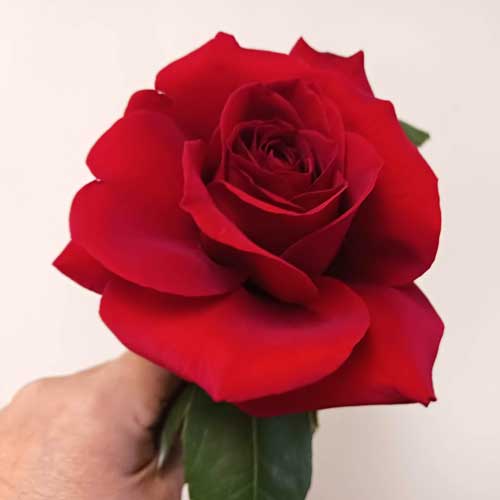
What I use in the shop: A sharp pair of floral snips for trimming any petals that tear during reflexing. Dull scissors bruise the petal edges instead of cutting them clean.
Reflexing and Vase Life: What Actually Changes
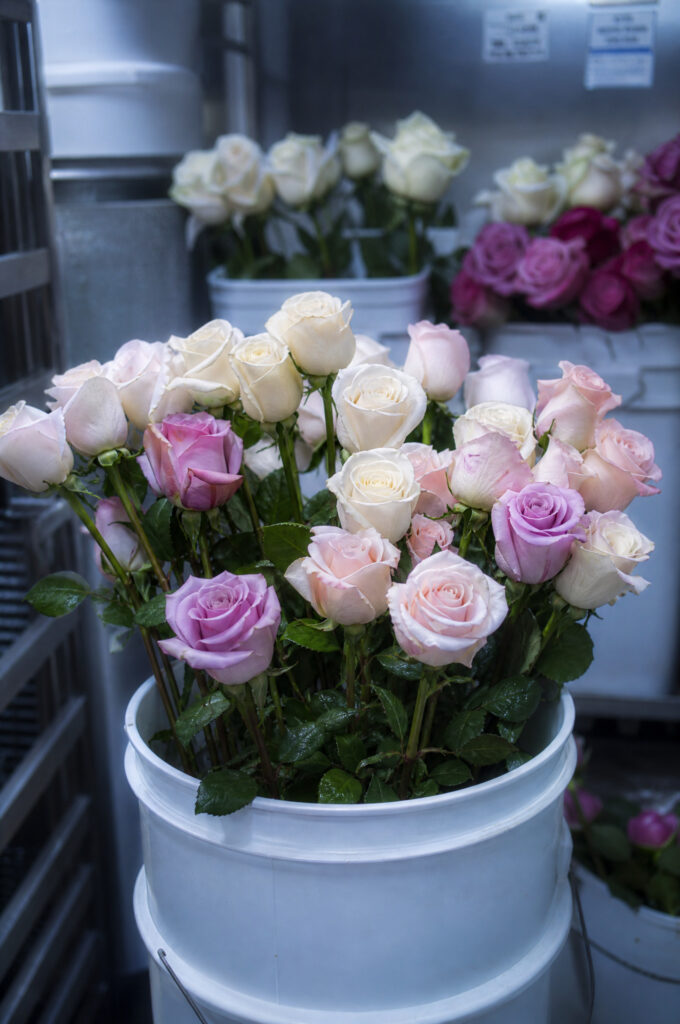
Every flower’s vase life comes down to proper processing and handling, not the design technique used on it. Some flowers hold up for a few days. Others go two weeks or longer.
Reflexing is a design technique. It doesn’t extend or shorten the vase life. If a reflexed rose fades faster than expected, the cause is almost always poor processing before it ever got reflexed, not the reflexing itself.
The Best Flowers for Reflexing Beyond Roses
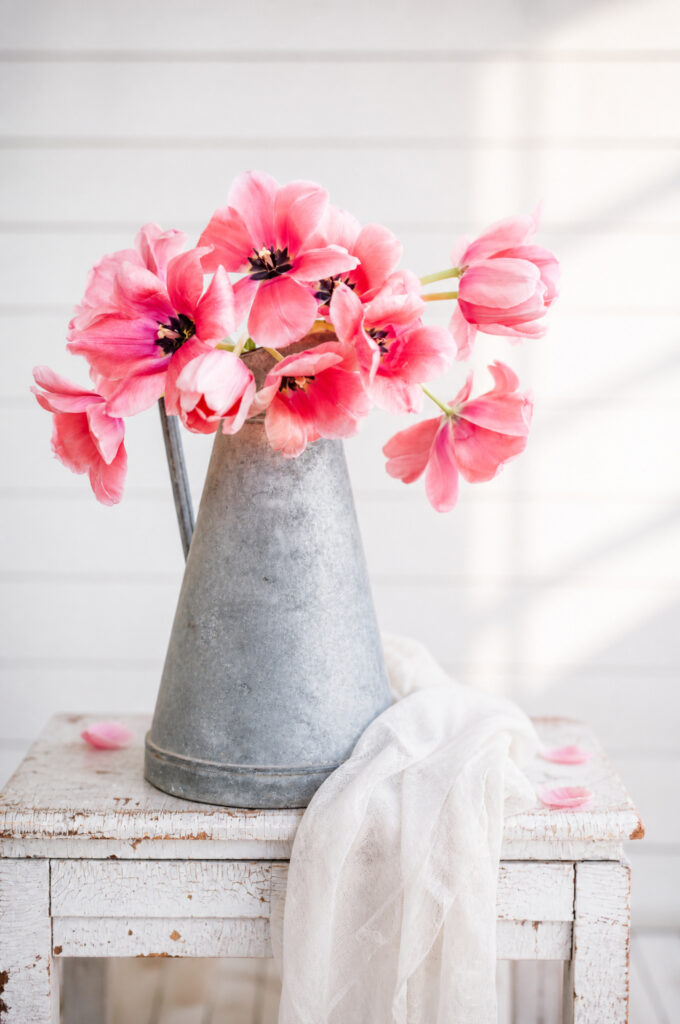
Roses and tulips are most often reflexed, but the technique isn’t limited to those two. I’ve reflexed cymbidium orchids, alstroemeria, and oriental lilies with good results.
Reflexing tulip petals turns them into a completely different-looking bloom, one that can stand on its own in the arrangement. It’s a simple floral design trick that has an outsized impact for how little it costs to do.
Frequently Asked Questions
Does reflexing damage the petals?
Done gently and at room temperature, no. Petals that are cold or already stressed are more likely to crack at the edges.
Can you reflex a flower that hasn’t fully opened yet?
It’s harder. Reflexing works best once the bloom has opened enough that the outer petals have some give. Force it too early, and you’ll tear petals instead of turning them.
How long does a reflexed rose last compared to a regular one?
The same. Reflexing is cosmetic. Vase life depends on processing, not the shape of the bloom.
Can you reflex silk or artificial flowers?
Some can be shaped by hand, but it’s a different process. This technique is specific to fresh, hydrated petals that can bend without cracking.
Do florists charge extra for reflexed flowers?
Most do, or should. It’s an added design step, and it takes time, so it’s reasonable to see it reflected in the price of a bouquet or arrangement.
What’s the difference between reflexing and just buying an open rose?
A rose that opens naturally on the stem still has a rounder, tighter shape. Reflexing manually turns each petal back, which creates a fuller, more dramatic bloom than the flower would produce on its own.
Closing Thoughts
Reflexing won’t turn a bad bouquet into a good one, but it’s one of those small techniques that quietly upgrades a design without upgrading the cost. Try it on a few grocery store roses before your next project. I’d like to know which flower you tried it on first, so drop that in the comments below.
So take a rose, turn back a petal, and watch it bloom into something bigger than it started.
Til next time,