Disclosure: This post may contain affiliate links. If you click and buy, we may earn a commission at no extra cost to you. As an Amazon Associate, we earn from qualifying purchases.
Last Updated: October 2026
A woman came into the shop last spring with a bucket of hydrangea stems from her yard. The ends looked chewed, mashed flat, and shredded.
She’d cut them with an old pair of garden pruners and wondered why they wilted by dinner. The tool was the problem, not the hydrangeas.
A crushed stem can’t drink. Here’s how to pick pruning shears that cut clean, and how to keep them that way.
Match the Blade to the Stem
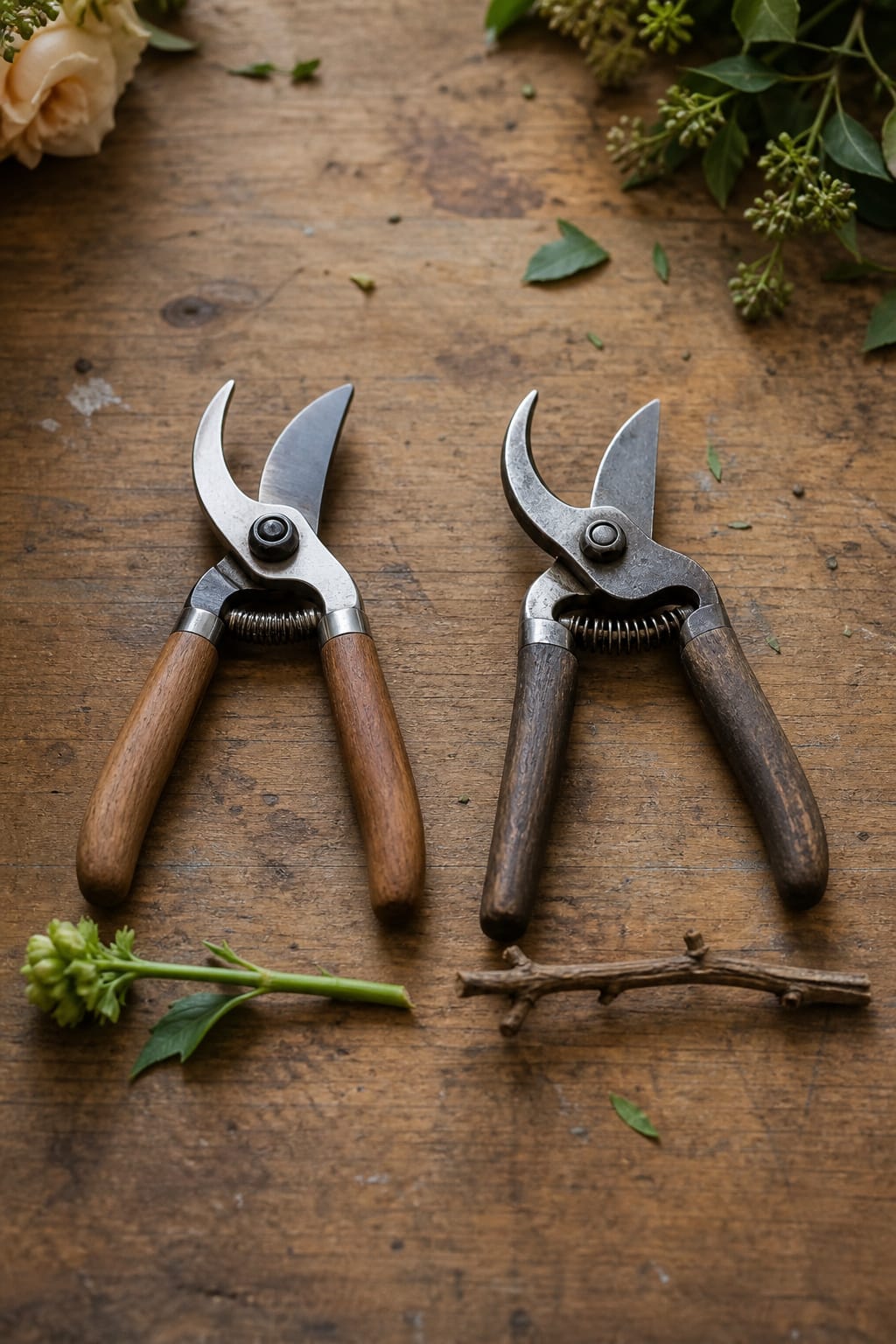
Pruning shears come with two blade styles. Bypass blades slide past each other like scissors, and anvil blades press one sharp blade down onto a flat surface.
Bypass is the one you want for anything alive. It slices through green stems and leaves a clean cut that can still take up water, while an anvil blade crushes as it cuts. That works fine on dead wood and does real damage to a live stem.
What I’d do: keep a pair of bypass pruners for woody stems and a separate pair of floral snips for soft ones. At my design bench, stems get crushed when you mix them up.
If you only buy one pair, make it bypass.
Products Worth Considering
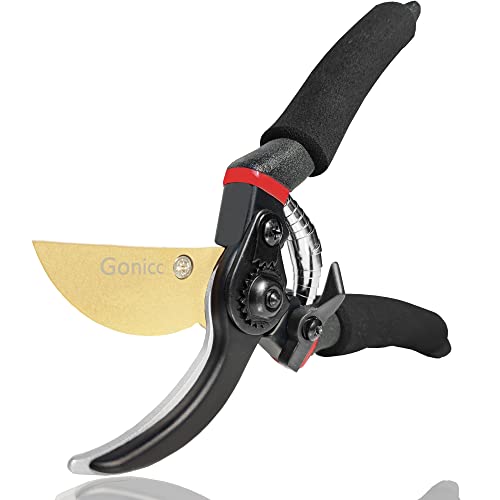
Drop-forged construction delivers exceptional durability and sturdiness for long-term heavy garden use.
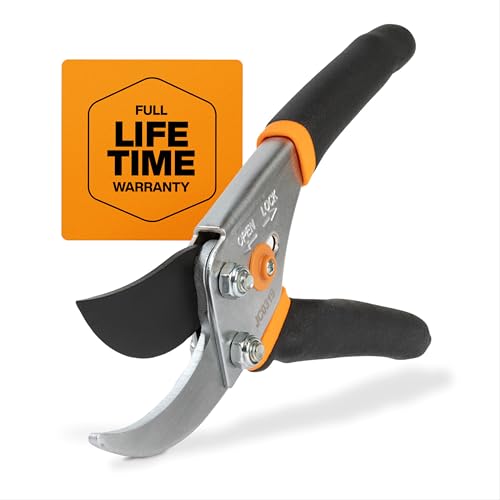
CLEAN CUTS FOR LIVE GROWTH: Bypass blade design is ideal for pruning delicate flower stems and green growth, helping reduce crushing and plant damage while cutting stems and small branches up to 5/8” in diameter

LONG-LASTING SHARPNESS: Japanese SK5 bypass blade with titanium coating is tested through 5,000 cuts to maintain a sharp edge and deliver clean, consistent cuts on live stems and branches
Check the Cut Capacity Before You Buy
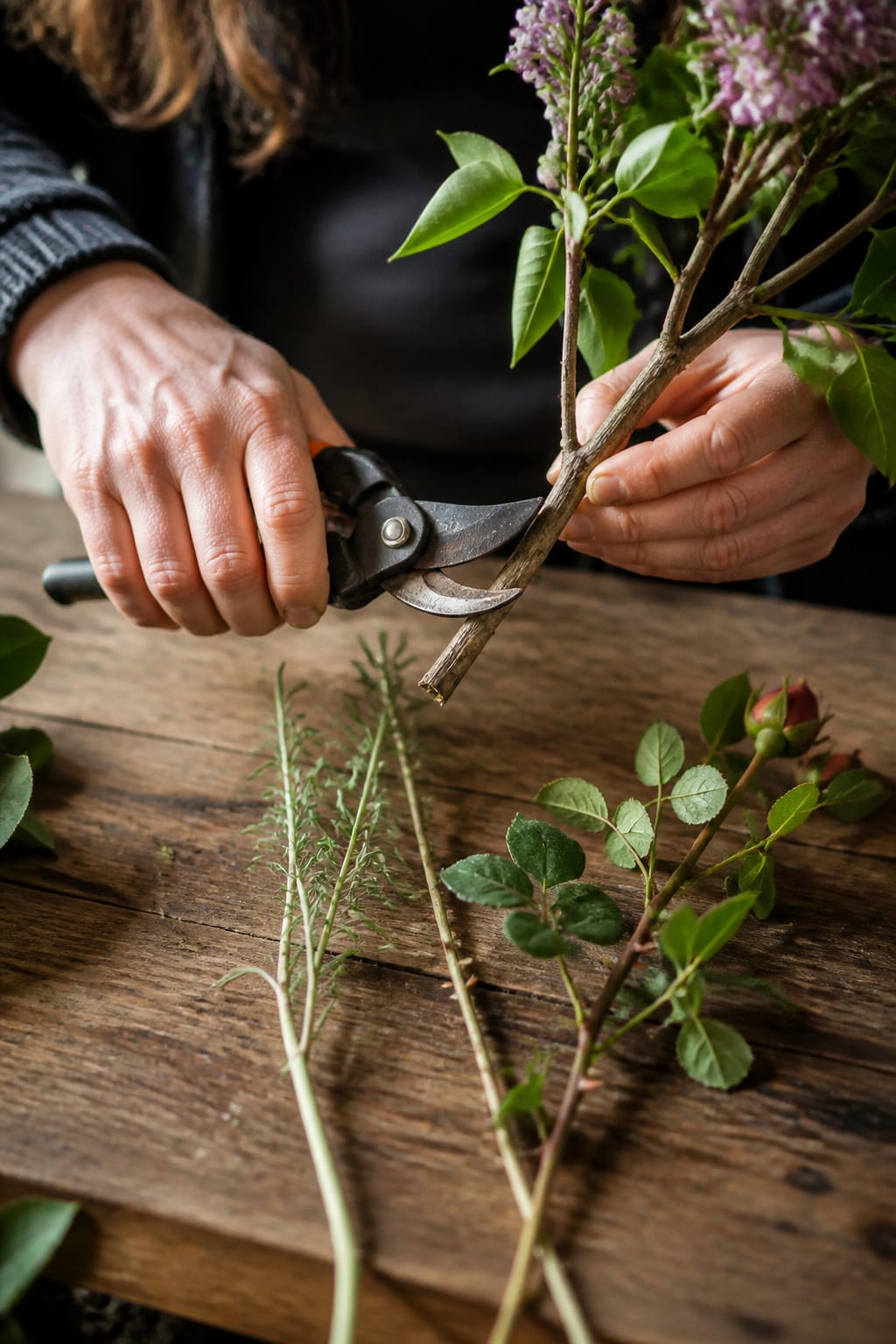
Cut capacity is the thickest branch the blades can handle, usually somewhere between five-eighths of an inch and one inch. Most home pruners land in that range.
Flower stems, roses, and herbs sit well inside it. Woody shrub branches like forsythia or lilac push it.
Match the capacity to the thickest thing you cut regularly. Forcing a small pruner through a thick branch twists the blades and wears out the pivot.
Don’t ask a small tool to do a big job.
Products Worth Considering

AMBIDEXTROUS DESIGN: Pruner shape is designed for both right and left-handed use while pruning indoor & outdoor plants such as shrubs, ornamental trees, vines, & flowers like roses; SoftGrip handle reduces hand fatigue & enhances comfort and control

Clean, Precision Bypass Cutting up to 1” Diameter – Sharp, forged steel bypass blade delivers smooth, scissor-like cuts through live branches, stems, and green wood up to 1 inch thick, helping reduce plant damage and promote faster, healthier regrowth.

ULTRA SHARP - Much less effort to cut branches with our pruning shears. Crafted from premium SK5 steel with titanium coating, our garden scissors and garden clippers boast exceptional durability and sharpness. A perfect pruning shears for gardening and a must-have garden tool, hedge clippers pruners for gardening
Pick a Handle That Fits Your Hand
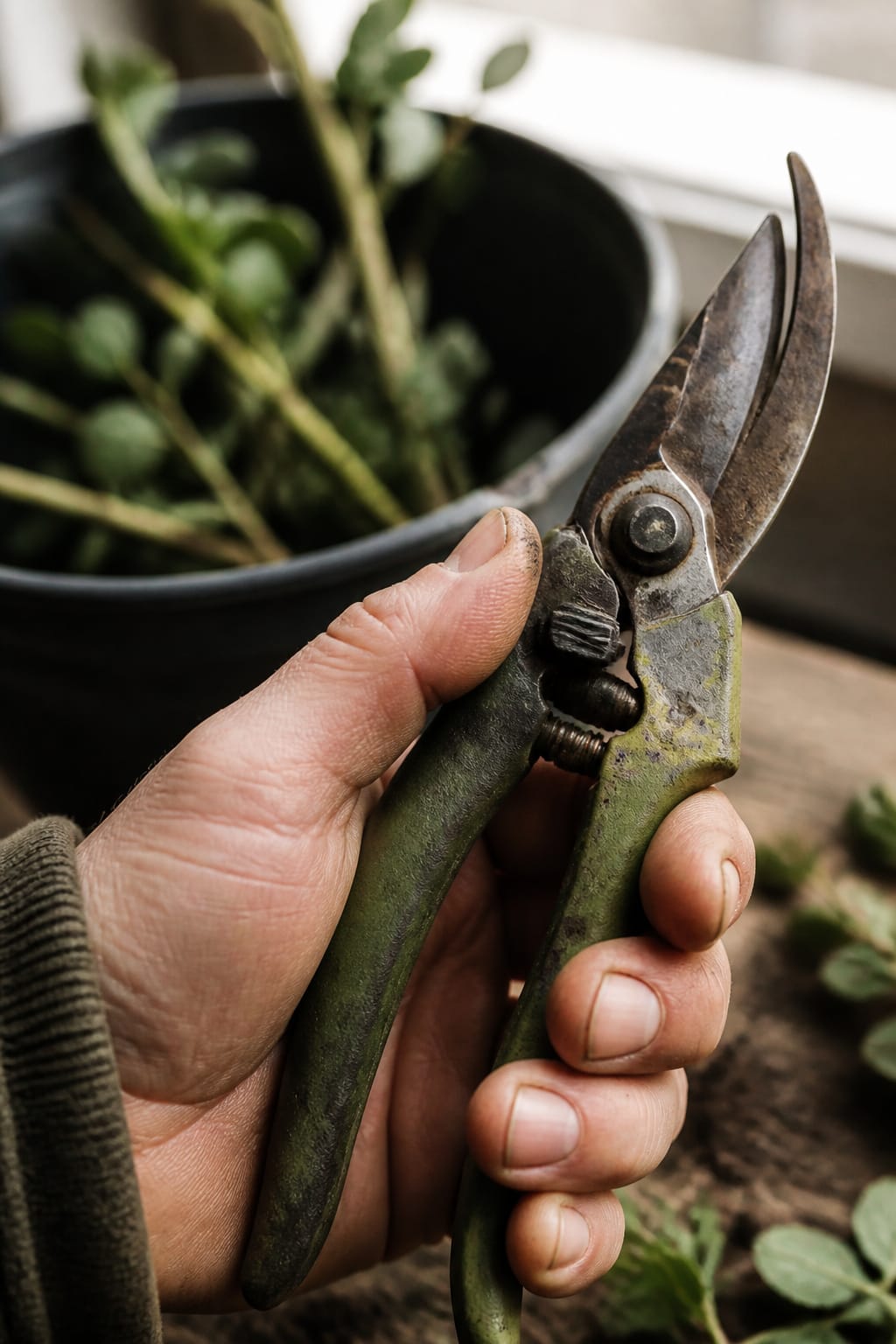
Comfort decides whether you actually use the tool. Shears that pinch your palm or slip when your hands are damp end up in the drawer.
Look for a non-slip grip and a handle spread that matches your hand size. If the handles sit too far apart, your hand tires out long before the job is done.
Weight matters too. A lighter pair is easier to hold through a long session, while a heavier pair gives you more leverage on thick stems.
A lock keeps the blades closed in a drawer or tool bag. Choose one you can flip with your thumb, because a lock you have to fight becomes a lock you leave off.
Products Worth Considering

· ULTRA-SHARP SK5 STAINLESS STEEL - Engineered with premium SK5 stainless steel, these heavy duty pruning shears deliver razor-sharp precision and maximum hardness. The rust-resistant blades are designed to stay sharp longer, effortlessly resisting corrosion and sap buildup for smooth, friction-free garden shears performance year after year.

DUAL CUTTING POWER: VERSATILE PRUNING COMBO --- With both Pruning Shears and Pruning Snip, this combo delivers unmatched versatility. Whether you're delicately trimming flowers and shrubs, tackling thicker tree branches, or tending to your vegetable and fruit garden, our combo pack excels in all areas. They're also perfect for landscaping projects and maintaining the health and appearance of indoor plants. With this pack, you have a versatile tool that simplifies your gardening tasks.

Reduce Hand Strain: These micro tip snips are made to reduces hand fatigue which makes them great for those with arthritis, carpal tunnel, hand or wrist issues; Comfortable “grip” handles will make it easy to work for long-time use without making you feel hand pain
Buy Steel That Holds an Edge
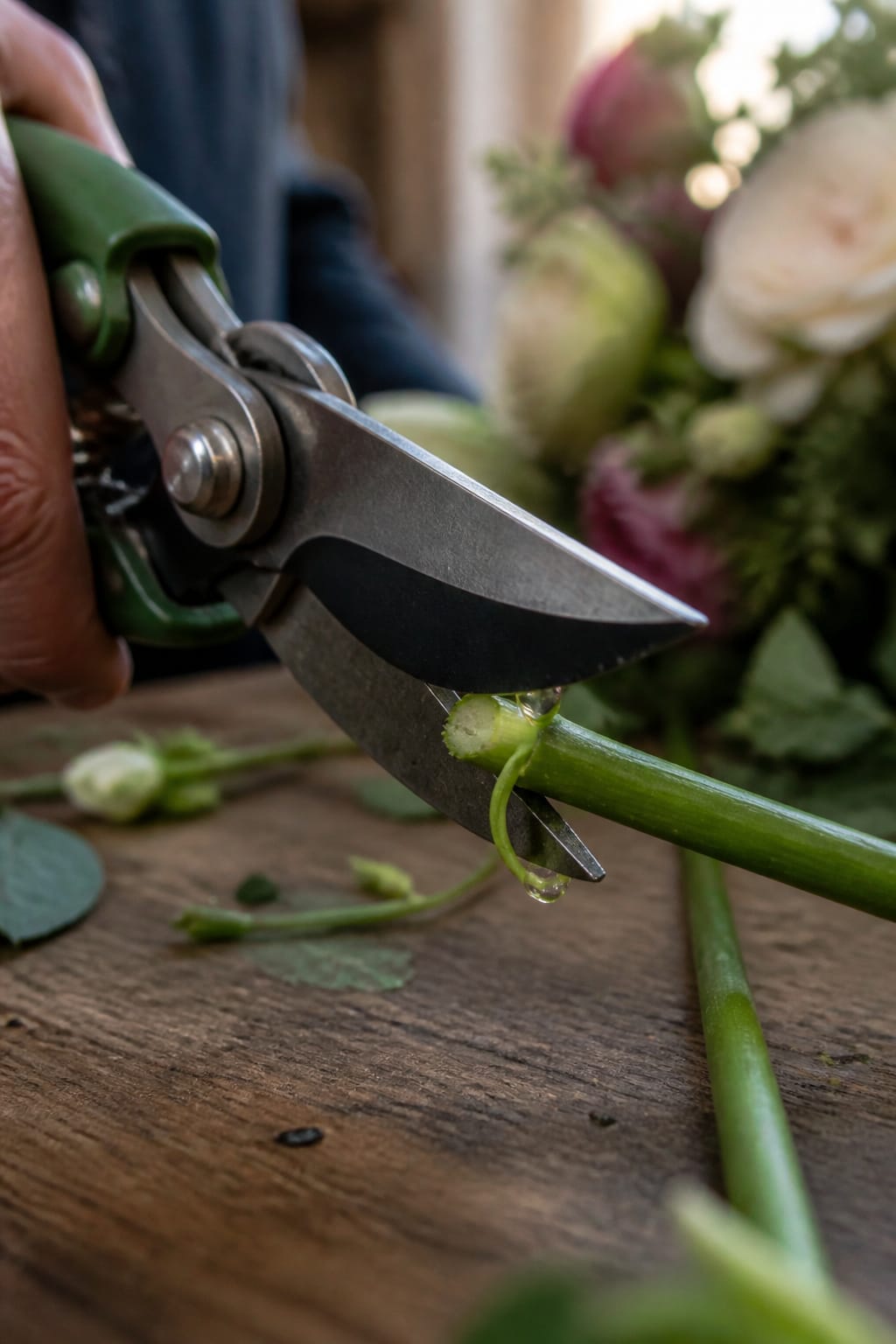
Blade material is where cheap shears and good shears part ways. High-carbon steel, including SK-5, holds a sharp edge longer than basic steel, and a low-friction coating helps sap slide off instead of gumming up the cut.
Carbon steel can rust if it stays damp, so a rust-resistant coating is best if you tend to leave tools outside. A lifetime warranty helps too, since it tells you the maker expects the pair to last.
A dull pair of shears is just an expensive way to crush a stem.
If you’re building out a full tool kit, I list what I reach for most in my guide to essential floral design tools, and the rest of my picks live on the floral tools page.
Need a pair in hand before the weekend? Amazon Prime delivers eligible orders fast, and if you’ve never tried it, you can start a free Prime trial before you order. As an Amazon Associate, we earn from qualifying purchases.
Keep Your Shears Clean and Sharp
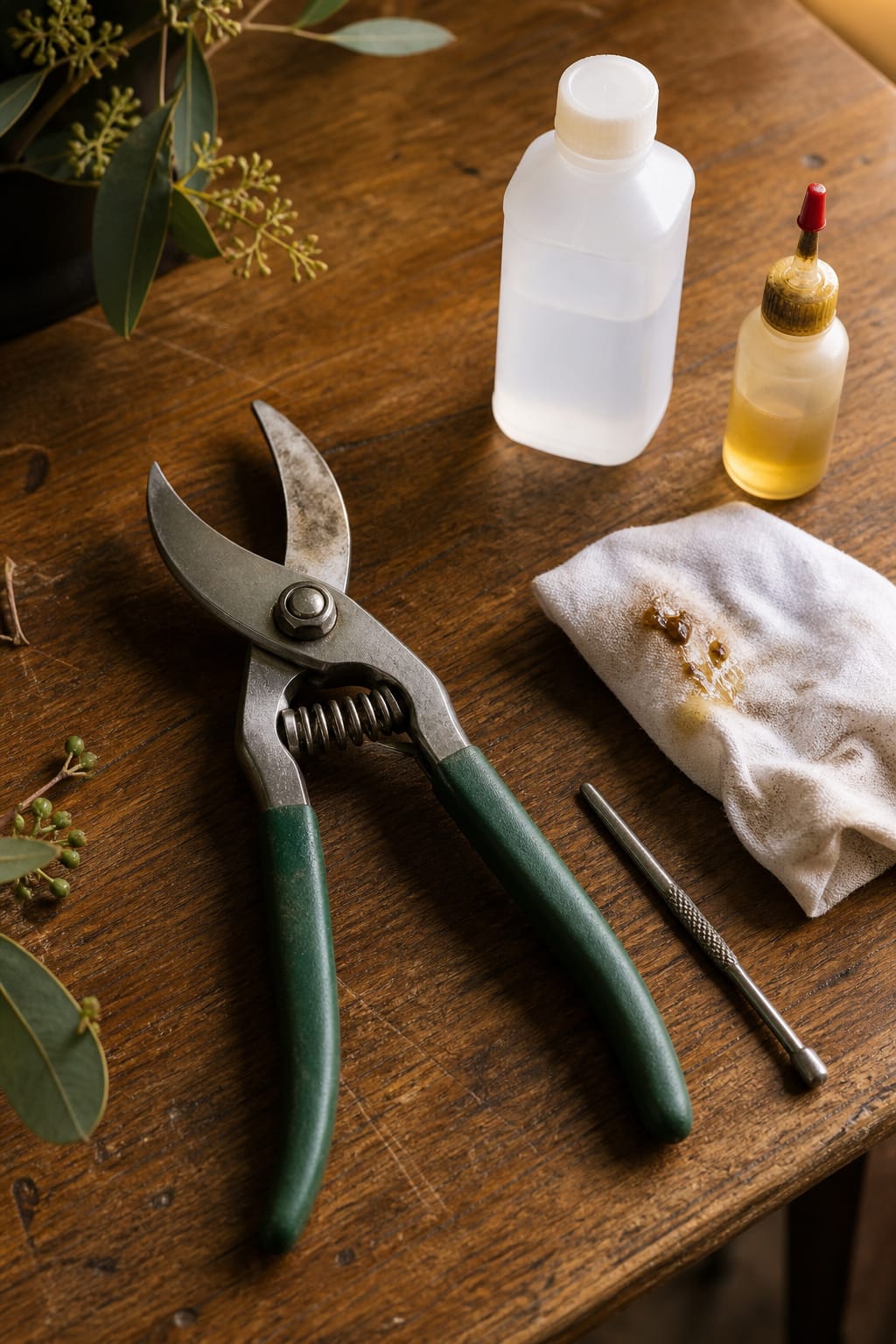
Wipe the blades after every session. Sap builds up fast, and a sticky blade drags through a stem instead of slicing it.
Rubbing alcohol on a rag cuts through sap and sanitizes the blades in one pass. That second part matters for flowers, because bacteria on a dirty blade travel straight into the stem and shorten vase life. It’s another reason clean tools are part of how I process fresh flowers.
Sharpen when the cut starts to feel crushed instead of clean. A small diamond file or whetstone works; follow the original bevel angle and sharpen only the blade’s outer edge.
Dry the blades, add a drop of light oil at the pivot, and store them closed. Rust never gets started on a dry blade.
Know When to Reach for Floral Snips Instead
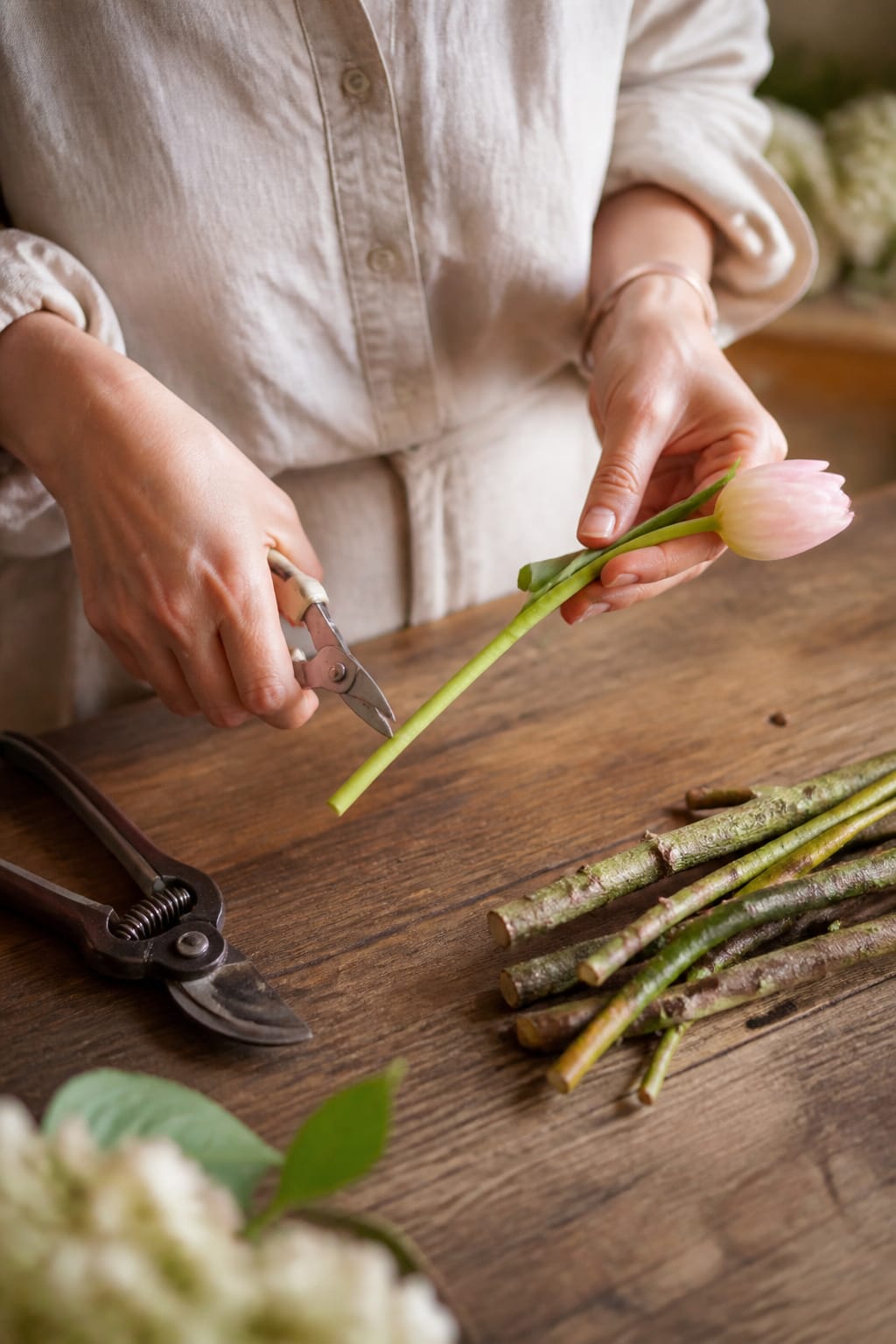
Pruning shears are built for woody growth. For soft stems like tulips and gerberas, a lighter pair of snips or a floral knife gives a cleaner cut with less effort.
Use the pruners for hydrangea, rose, lilac, and other woody stems, then switch to snips for everything else. Hollow stems like sunflowers need a sharp, clean cut too, and I cover the details in my sunflower care guide.
Whichever tool you grab, cut at a 45-degree angle so the stem has more surface to drink from. I walk through that same recut routine in my fall cut flower care guide.
Frequently Asked Questions
What is the difference between bypass and anvil pruners?
Bypass pruners cut with two blades that pass each other like scissors, which gives a clean slice through live stems. Anvil pruners press a single blade against a flat edge and crush as they cut, so they suit dead or dry wood better than living plants.
Can I use garden pruners to cut flower stems for a vase?
Yes, as long as they’re bypass pruners and the blades are clean. Wipe them with rubbing alcohol first, because dirty blades carry bacteria into the stem.
How often should I sharpen pruning shears?
Sharpen when the cut starts to crush or tear the stem instead of slicing it. Heavy use means more frequent touch-ups, and a quick pass with a diamond file is usually enough.
How do I get sap off my pruning shears?
Rubbing alcohol on a rag does the job. For stubborn buildup, let the soaked rag sit on the blade for a minute, then wipe it clean and dry the blades.
Are expensive pruning shears worth it?
Up to a point. Good steel, a comfortable grip, and a solid warranty are worth paying for, while extra features rarely change how well the shears cut.
Closing Thoughts
Good shears aren’t complicated. Bypass blades, the right cut capacity, a handle that fits your hand, and a clean edge will cover almost everything you cut.
Tell me in the comments: what’s the toughest stem you’ve ever tried to cut with pruners?
Keep your blades clean and sharp, and every cut you make gives the next bloom a good start.
Til next time,